What was recalled
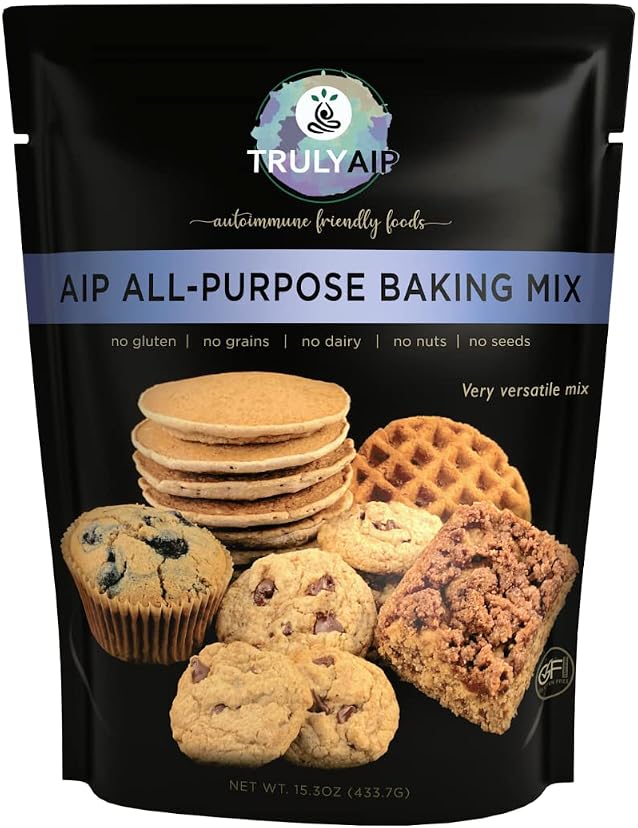
GF Blends recalled ten dry baking mixes under the Truly AIP, Kitcheneez Mixes and EAT GANGSTER brands after wheat gluten was found in products labeled gluten-free. The mixes were sold from June 2024 through July 2026 in Texas, Florida, Arizona, Louisiana, Montana, Oregon and California, and online through Amazon, Walmart, Shopify and TikTok Shop. Testing in April 2026 identified the contamination; an FDA public notice followed on September 18.
No illnesses had been reported at the time of the notice. That is reassuring but not exculpatory: underreporting is common, symptoms vary and consumers may not connect a reaction to a product explicitly marketed as safe.
Why this matters
“Gluten-free” is a safety claim for people with celiac disease and a major allergen issue for people with wheat allergy. U.S. rules generally require foods carrying the term to contain less than 20 parts per million of gluten. Deliberately added wheat gluten is not a marginal exceedance; it inverts the product’s central promise.
The affected products
- Truly AIP All Purpose Baking Mix and Fudgy Brownie Mix.
- Kitcheneez Classic Pancake & Waffle Mix, Fluffy Biscuit Mix, Country Biscuit Mix, Homestyle Cornbread Mix, Cornbread Mix and Fudgy Brownie Mix.
- EAT GANGSTER Chocolate Chip Blondie Mix and Chocolate Cake Mix.
The announced consumer action was to dispose of affected products or return them for a full refund. Anyone experiencing symptoms—particularly breathing difficulty, swelling or severe gastrointestinal reaction—should seek medical advice appropriate to the symptoms.
How a trust system fails
A multi-brand recall suggests the critical control point may sit upstream in shared formulation, ingredient sourcing or manufacturing rather than at one retail shelf. Certification marks help only when suppliers, change controls, sanitation and finished-product testing all function. Marketplaces also disperse inventory across sellers, making notification and removal harder than a single-store recall.
Who wins, who loses, what changes
Consumers bear health risk and the burden of lot checking. Trustworthy gluten-free producers suffer category-wide suspicion. Retail platforms face pressure to remove inventory across third-party sellers. Regulators gain a case for stronger supply-chain verification and faster public disclosure. The practical reform is independent gluten testing after formulation or supplier changes, clearer lot traceability and rapid marketplace-wide recall APIs.
Sources: Food Safety News; U.S. Food and Drug Administration recall notice. Consult the FDA notice for identifying details and updates.