World · France · Courts
Depardieu drops appeal sexual assault case: on the day his appeal trial was due to open in Paris, Gérard Depardieu withdrew his challenge, accepted his conviction and apologised to the two women. His 18-month suspended sentence is now final.
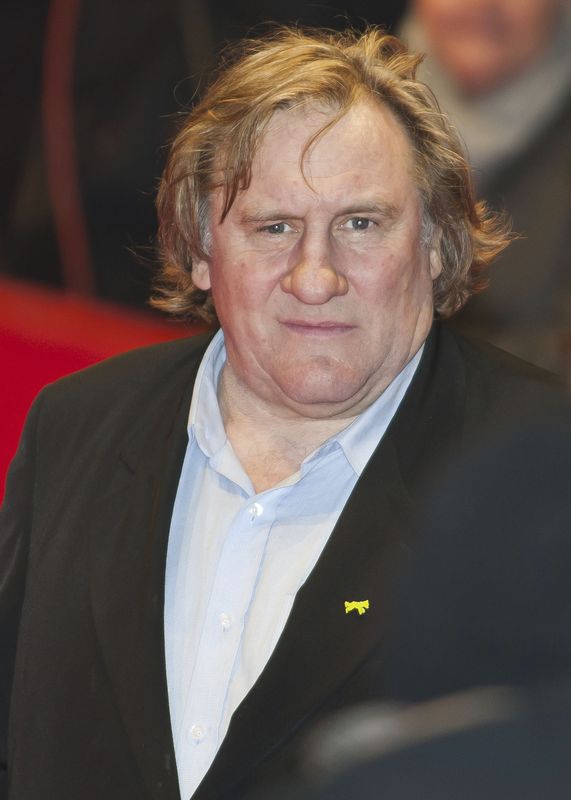
PARIS — Gérard Depardieu, 77, withdrew his appeal on Monday, November 16, 2026 — the day his appeal trial was due to open in Paris — and accepted his conviction for sexually assaulting two women on the set of the film Les Volets Verts in 2021. The decision makes his 18-month suspended sentence final. Depardieu did not attend court in person; prosecutors withdrew their own appeal as well, closing the case.
The statement: ‘I Hear’
In a statement titled ‘I Hear’, Depardieu wrote: “Justice has spoken. I have been found guilty. I accept this and take responsibility for this conviction.” He offered “deep and sincere apologies to those who may have suffered”, acknowledged that he had often used vulgar, sexually suggestive humour on set, and said that “there is a line between cheekiness and offence”. He described himself as having “belonged to a world that no longer exists”.
What is now final
The conviction dates from May 13, 2025, when a Paris court found Depardieu guilty of sexually assaulting two women during the 2021 production of Les Volets Verts: a 54-year-old set decorator, identified as Amélie, and a 34-year-old assistant. The sentence — 18 months, suspended — is now final. He was ordered to pay a total of €29,040 to the two women, his name will be entered on France’s national sex-offender database, and he was reported to face a two-year ban on holding elected office.
‘We have been heard’
Outside the court, Amélie responded to the withdrawal in terms that framed the outcome as vindication rather than surrender: “We have been heard. Justice has been done.” The appeal had been the last route by which the 2025 verdict could have been overturned; by abandoning it on the morning the hearing was to begin, Depardieu ended the case on the verdict’s terms, not his own.
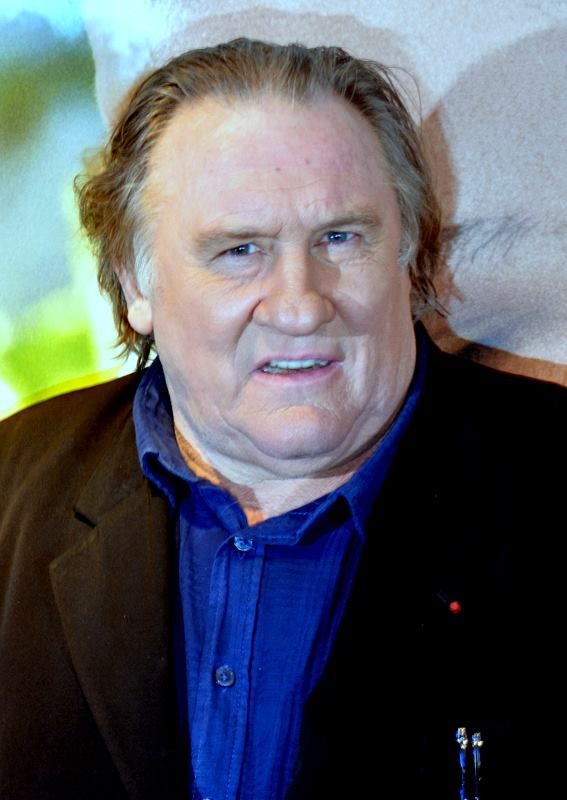
Background: a landmark #MeToo case
Depardieu is one of French cinema’s defining figures, with more than 200 films to his name. The Les Volets Verts case was the first accusation against him to reach trial, and it was widely treated in France as a landmark test of whether the #MeToo movement could reach the country’s most protected cultural figures. More than 20 other women have accused him of sexual misconduct; he has denied those accusations, and they are separate from the conviction that became final on Monday.
A separate case: the Charlotte Arnould allegation
One further matter remains open, and it is distinct from the conviction above. Charlotte Arnould has accused Depardieu of raping her in 2018 — an allegation he denies. An investigating judge ordered a trial in that case in August 2025, and the Paris appeals court is due to rule on November 26, 2026 on whether it proceeds. Nothing in Monday’s withdrawal decides that question, and the allegation remains denied and unproven.
Why this matters
The significance of Monday’s decision is not the sentence, which had been known since May 2025, but the surrender of the fight against it. For decades, Depardieu embodied a French cultural settlement in which the behaviour of a major artist was judged separately from the artist. His own statement concedes the terms of the new settlement: the humour he describes was, by his account, ordinary in the world he belonged to — and that world, he says, no longer exists. A final conviction, a place on the sex-offender register and a public apology from an actor of his stature give France’s #MeToo reckoning a fixed legal landmark rather than another contested allegation: a verdict its subject has accepted, in writing, as just.
What happens next
The next date is November 26, 2026, when the Paris appeals court rules on whether the separate Charlotte Arnould case — a denied allegation of rape in 2018 — proceeds to trial. That ruling, not Monday’s withdrawal, will determine whether Depardieu faces a second criminal case. Signal Post News will report the decision when it is handed down.
Sources
Reuters, November 16–17 — https://www.reuters.com. Associated Press via CNN, November 16–17 — https://www.cnn.com. BBC, November 17 — https://www.bbc.com. The New York Times, November 16–17 — https://www.nytimes.com. The Guardian, November 17 — https://www.theguardian.com.