Recipe searching can make dinner feel more complicated than it is. One idea requires a spice you do not have; another leaves half a bunch of herbs and an open carton behind. Soon the search for a perfect plan has taken longer than the cooking itself.
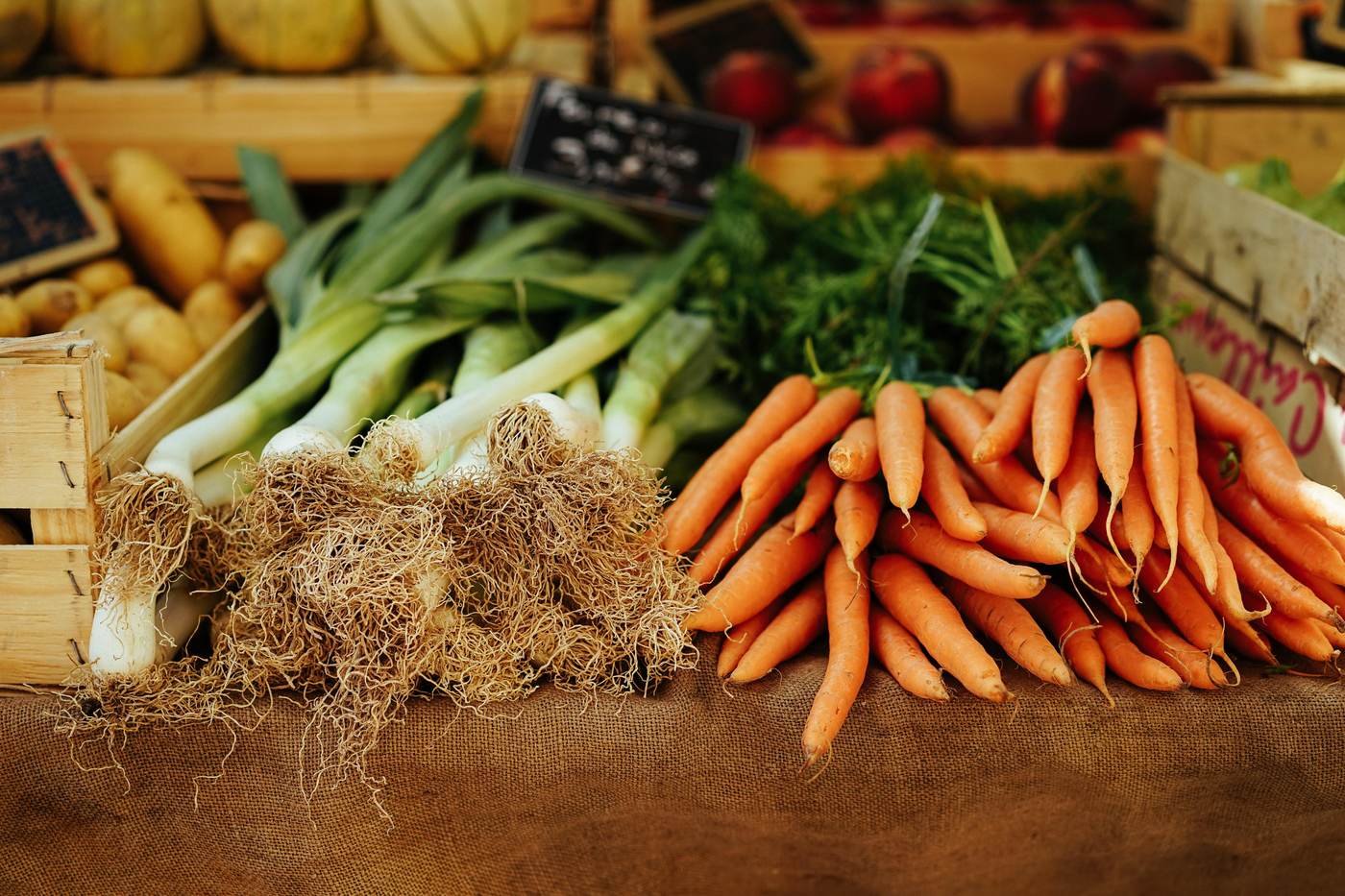
A market-first dinner reverses the order. Start with the ingredient that looks most alive — ripe tomatoes, glossy eggplant, sturdy greens, mushrooms that still smell earthy — and build around what it needs. Sweetness welcomes salt and acid. Bitterness wants richness. Soft textures improve when something crisp arrives beside them.
Use a dependable structure
Think in four parts: one vegetable, one filling element, one sharp note and one generous finish. The filling element might be beans, eggs, fish, grains, pasta or good bread. Acidity can come from citrus, vinegar, pickles or cultured dairy. Finish with herbs, toasted seeds, olive oil, grated cheese or a spoonful of something spicy.
This is not a formula that makes every meal identical. It is scaffolding. Charred cabbage with lentils, mustard dressing and breadcrumbs follows the same logic as tomatoes with white beans, red-wine vinegar and basil. Once the structure is familiar, substitution feels less like a compromise and more like cooking.
You need a method more often than you need another recipe.
Season in stages
Add salt and acid gradually, tasting after each change. Season the main ingredient before combining it with everything else. If the plate tastes flat, it may need brightness rather than more salt; if it tastes sharp, fat or sweetness can restore balance. Texture deserves the same attention: a soft meal benefits from toast, nuts or raw vegetables added at the last moment.
Keep a few adaptable staples on hand, but let the fresh ingredient lead. Dinner becomes calmer when the pantry supports a decision instead of dictating one. The result is not restaurant-style perfection. It is a meal that tastes intentional, uses what you bought and leaves you with a method you can repeat.
Shop with a sequence, not a fantasy menu
At the market, choose the most perishable ingredient first and let sturdier food support it. Tender herbs and ripe fruit need an early plan; cabbage, carrots, hard squash and onions can wait. Buy enough variety for contrast but not so much that every meal requires a new recipe. Two vegetables with different textures are often more useful than five unrelated specialties.
Ask vendors how an unfamiliar ingredient is commonly prepared, then keep the method simple the first time. Roasting, grilling, sautéing or serving raw reveals more than a complicated sauce. Take a quick photograph of the name or label so you can identify it later. Curiosity works best when it is paired with enough information to avoid waste.
Prepare once, preserve options
When groceries come home, do only the preparation that improves flexibility. Wash sturdy greens, make a vinaigrette, cook a pot of grains or beans and toast a tray of nuts or crumbs. Do not chop every vegetable days ahead if that makes it dry out faster. The goal is to shorten weeknight decisions while preserving freshness.
A useful base can travel through several meals. Roasted peppers might begin beside eggs, move into a grain bowl and finish in a pasta sauce. Beans can become a warm salad, then a soup. Keep components separately when possible so leftovers can change character rather than return as the same plate.
Use heat as an ingredient
Many weeknight dinner ideas improve when the pan is properly hot and the food has space. Crowding traps steam, preventing browning and concentrating less flavor. Cook in batches if necessary, then combine at the end. Salt draws out water, so time it according to the texture you want: early for tenderness and seasoning throughout, later when a crisp surface matters.
Do not move food constantly. Let mushrooms, squash or cabbage stay in contact with the pan long enough to color. Deglaze browned bits with water, stock, wine or citrus, then reduce the liquid into a quick sauce. This technique creates depth without a long ingredient list and teaches you to respond to the pan rather than a stopwatch.
Balance the finished plate
Taste for four things: salt, acid, richness and texture. If flavors seem muted, add a few drops of vinegar or lemon before more salt. If acidity dominates, add oil, butter, yogurt or a sweet vegetable. If everything is soft, finish with seeds, toasted bread or raw sliced produce. Small corrections made at the table are part of cooking, not evidence that the method failed.
Write down combinations that work, including approximate quantities and what you would change. Over time, those notes become a personal catalog of seasonal cooking rather than a pile of saved recipes. The professional skill is not reproducing one perfect meal; it is understanding why a combination worked well enough to build another.
Keep food safety inside the flexible method
Improvisation still needs boundaries. Keep raw meat separate from produce, wash hands and tools after contact, and cook proteins to safe temperatures. Cool leftovers promptly in shallow containers and label them with the date. When in doubt about storage time or spoilage, discard the food rather than trying to rescue it with heat or seasoning.
Allergies require the same discipline. Check packaged sauces, stocks, breads and garnishes instead of assuming a flexible recipe is automatically safe. If cooking for someone else, ask about allergens before shopping and prevent cross-contact. Good weeknight cooking is generous because it is attentive to the people eating, not because it produces an elaborate plate. Clear labeling, clean utensils and an unhurried final check protect that generosity.
Why this matters
Market-first cooking reverses the usual burden of weeknight meals. Instead of forcing a recipe onto whatever is available, it begins with the ingredient at its best and uses a repeatable structure to finish the decision. That approach can reduce waste because the plan is built around real food already present, not an idealized shopping list.
How we got here
Recipe culture expanded choice but also multiplied decisions, especially online where every dinner produces thousands of options. Older home-cooking traditions often worked from formulas—grain, vegetable, protein, sauce—rather than exact instructions. The market-first method modernizes that flexibility for households with changing time, budget and availability.
Who benefits, who loses and what critics say
Home cooks, small produce sellers and households managing leftovers benefit from adaptable meals. Highly prescriptive meal kits and specialty-ingredient recipes become less necessary. Critics may say improvisation favors confident cooks; that is true unless the method names reliable ratios, heat cues and substitutions rather than celebrating intuition as a mysterious talent.
What the comparison implies
A recipe-specific shop can leave several partial ingredients; a flexible dinner structure can absorb them across meals. The better measure is not how many new dishes were attempted but how much purchased food was eaten and how often dinner was completed within the available time. Consistency beats novelty when the goal is feeding people well.
What happens next
The method becomes durable when a household builds a short list of sauces, cooking techniques and pantry anchors. The optimistic scenario is less waste and more seasonal variety; the failure mode is buying beautiful produce without a realistic preparation window. Planning one use for tonight and one for leftovers is the simplest forecast worth making.