U.S. News / Tallahassee, Florida — The FAMU homecoming shooting turned Florida A&M University's biggest celebration of the year into a crime scene on Saturday night. Eleven people were shot and 12 were injured in all on Perry Street beside Bragg Memorial Stadium, Tallahassee Police Chief Lawrence Revell said at a late-night press conference — six of them children, the youngest just 11 years old. One victim was in critical condition and three were seriously hurt, but police reported no deaths. The gunfire followed an altercation between a small number of people as crowds poured out of the homecoming game, and no arrests had been announced.
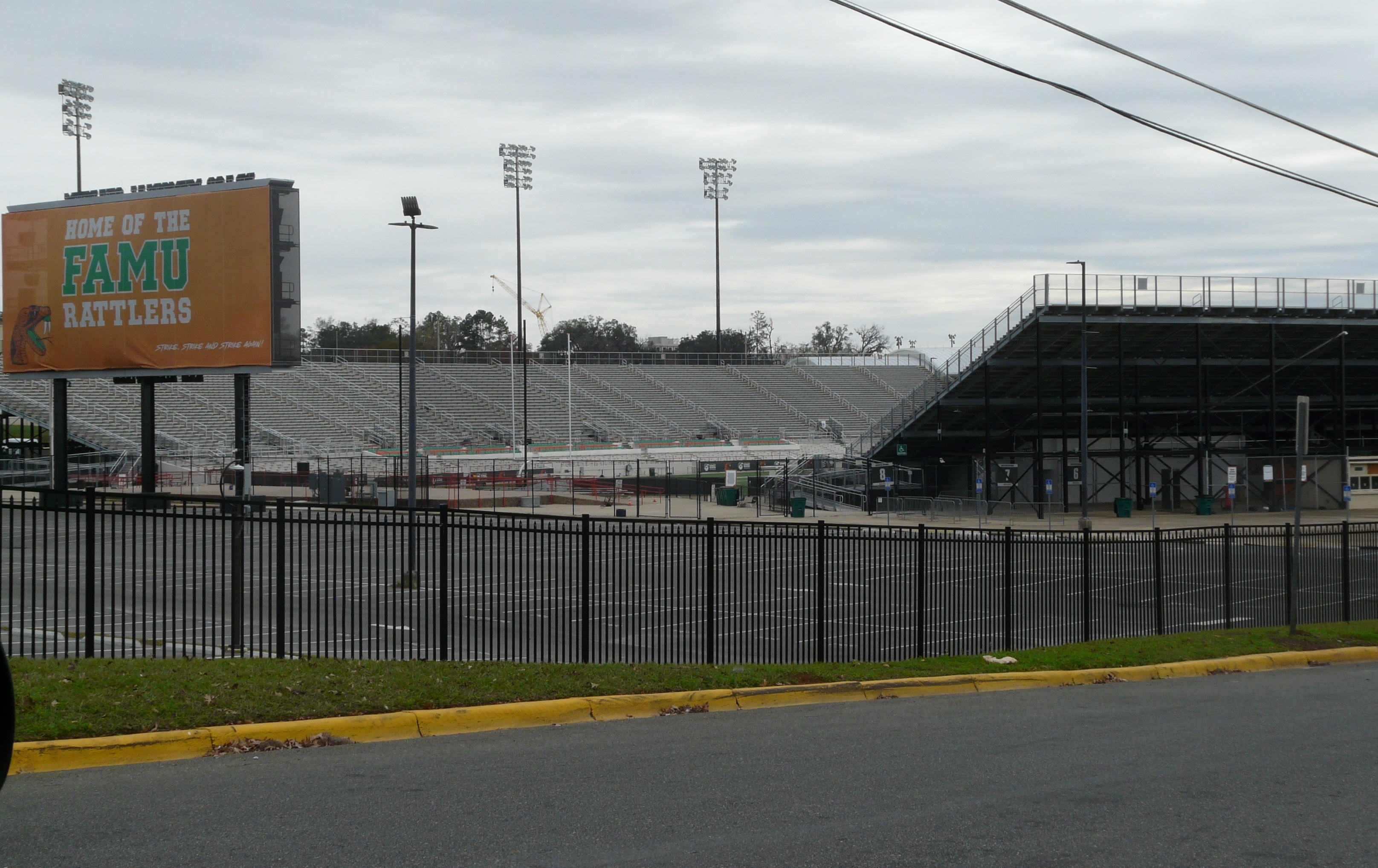
Homecoming at Florida A&M is not an ordinary football weekend. Alumni fly in from across the country, the parade shuts down streets, tailgating runs long, and the blocks around Bragg Memorial Stadium fill with families — grandparents, students, and children in Rattlers orange and green. On Saturday, that crowd became the backdrop for the city's worst shooting of the year. Just before 8 p.m., as fans filed out of FAMU's 31-28 homecoming loss to Arkansas-Pine Bluff, an altercation between individuals on Perry Street, near its intersection with Manatee Street next to the stadium, escalated into gunfire. By the time Tallahassee Police Chief Lawrence Revell faced reporters shortly before midnight, the toll stood at 12 injured: 11 people with gunshot wounds, and a twelfth — an older woman — hurt in the panic as the crowd fled.
What police say happened on Perry Street
The timeline police and the university have laid out is a study in how fast a celebration can turn. FAMU had extended Saturday tailgating until 10 p.m., and Perry Street was still packed with people leaving the game when the shots were fired shortly before 8 p.m. The police department's online crime map logs an 8:02 p.m. call at Perry and Manatee streets, the intersection beside the stadium. Videos circulating on social media, reviewed by the Tallahassee Democrat, show officers carrying a victim through a parking lot on a cloth stretcher, officers treating a person on the ground by flashlight, and crowds scattering in every direction. "Everybody ran; everybody cleared off," one person can be heard saying. A student, Jayden Dubois, told WCTV: "We heard a couple gun shots and a crowd of people running. I had gotten trampled a little but as I got up, I turned to my right and saw a person laid out on the ground."
At 8:40 p.m., FAMU issued its alert: "Police activity near Bragg Stadium and Perry Street. Avoid the area or shelter in place if nearby." By 9:45 p.m., police said the scene was secure. At 10 p.m., Florida State University — across town, but close enough that its students share the same Saturday-night city — took the extraordinary step of advising its whole Tallahassee campus community to remain indoors for the evening as a precaution, while noting there was no indication any FSU community members were involved. At about 11 p.m., FAMU issued its statement: "Our hearts go out to the victims and all those affected by this tragic incident. While the campus remains safe, individuals are encouraged to avoid the area to allow law enforcement to conduct its investigation." Revell and FAMU police then briefed reporters at 11:30 p.m. on the FAMU campus.
The victims: six children among the 12 injured
The numbers Revell gave are the ones that will define this story. Of the 12 injured, six are adults and six are juveniles. The youngest victim is 11 years old. Eleven people were shot; the twelfth injured person, an older woman, was hurt amid the panic rather than by a bullet. One victim was in critical condition, three were in serious condition, and eight were in stable condition. Crucially — and Revell and every outlet reporting from the scene agree on this — nobody was killed. Police have not released the victims' names, ages beyond the youngest, or the hospitals treating them, and they have not said whether any of the injured are FAMU students; the shooting happened off the stadium grounds, on a public street filled with a mix of students, alumni, local families, and children.
What caused it, on the preliminary account, was not a planned attack on the crowd. "An altercation occurred between individuals," Revell said. "We do not know exactly what happened. What we do believe is that this was an isolated incident between two or three individuals." That distinction — a fight that turned into gunfire in the middle of a dense crowd, rather than a shooter targeting the crowd itself — does not lessen the toll, but it shapes everything about the investigation and the policy argument that follows. Police announced no arrests on Saturday night and were still searching for the people who fired. "I stand before you devastated," Revell said.
Why this matters: a celebration built on gathering, and the argument it will restart
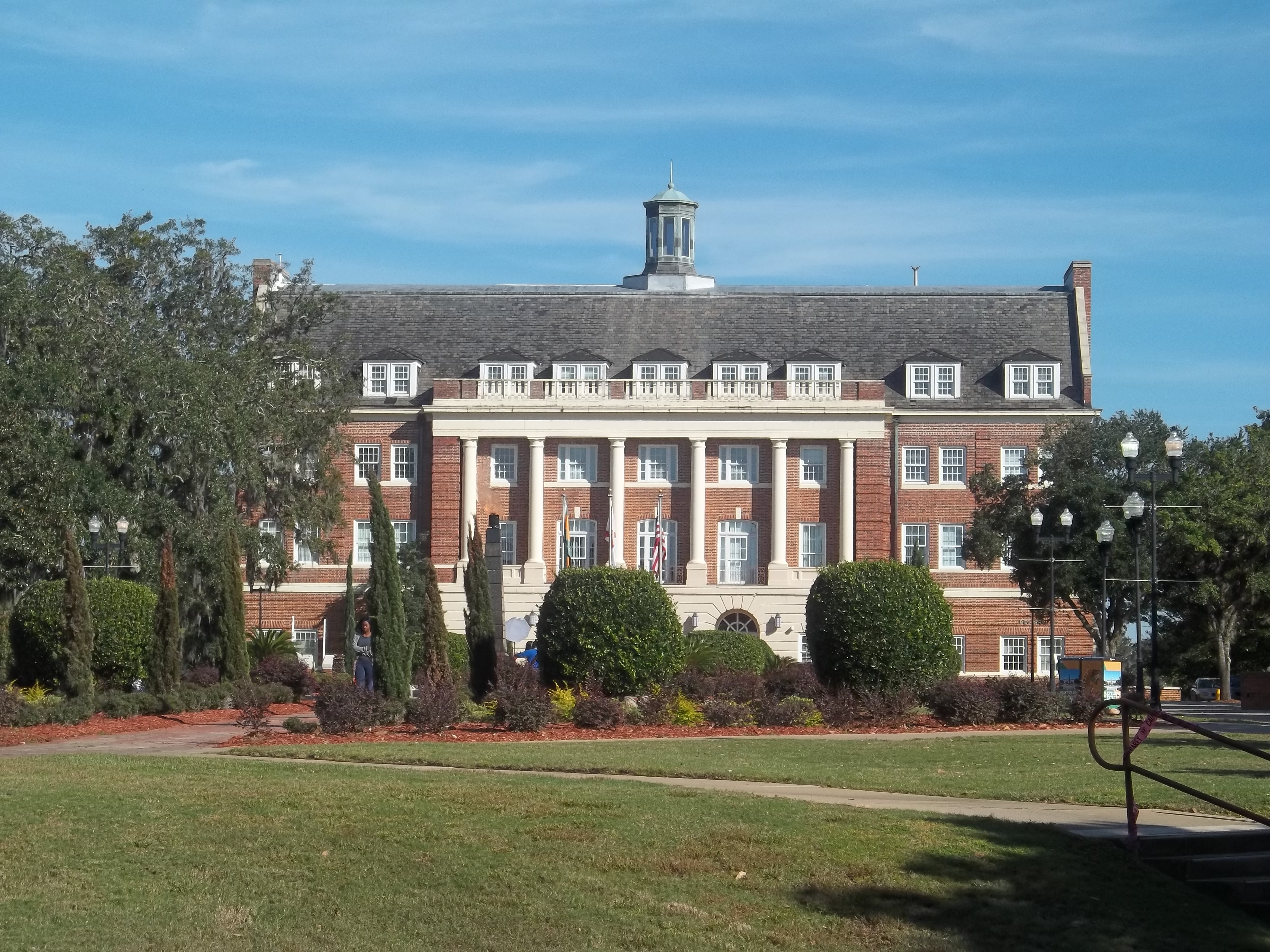
Homecoming at a historically Black university like FAMU is closer to a family reunion than a sporting event — the university's 2026 theme was "There's No Place Like The Hill" — and that is precisely what makes Saturday night so damaging beyond the injury count. Events like this run on openness: public streets, extended tailgating, three generations of families moving between the stadium, the parade route, and the block parties around them. A security model built for that openness cannot frisk a neighborhood. When police say the shooting grew out of an altercation between two or three people, they are describing the hardest kind of gun violence to prevent with event security — not a plot that intelligence or a perimeter could catch, but a dispute, a gun within reach, and a crowd dense enough that a single volley could wound 11 people, half of them children who were simply standing nearby.
The context makes the night harder to file away as an aberration. The Tallahassee Democrat's own gun-violence tracking counted this as at least the 40th serious shooting incident in the capital city and Leon County this year — its analysis in August put the count at 39 incidents, with 11 people dead and 29 injured in 2026 to that point. Saturday's 12 injuries in a single incident approach half that earlier injured total at a stroke. Nor is FAMU's city the only campus community having this conversation this season: earlier this month, a shooting at a homecoming gathering in Dover led to arrests and the same argument about how schools police the hours after the game, and a school shooting in Bend, Oregon renewed the national debate over protecting students where they gather. The common thread is not the venues — a street, a party, a school — but the speed with which an ordinary dispute or grievance becomes a mass-casualty event when a gun is present in a crowd.
Who loses here is easy to list and hard to fix. The families of 12 injured people, one fighting for life, come first. FAMU loses the thing homecoming exists to produce — the feeling that coming back to the Hill is safe — and faces immediate questions about crowd management on the public streets its celebrations spill into, even though the shooting happened off campus and the university's own alerts went out within the hour. The city loses, too: Tallahassee sells itself as a college town with two universities and a capital's resources, and its police chief is now explaining a shooting with an 11-year-old victim on its biggest football weekend. Critics of the city's approach will ask why a known flashpoint — thousands of people exiting one stadium into a handful of streets — did not have a heavier visible presence. The counterargument is already visible in the police account: officers were close enough to secure the scene and be treating victims by flashlight within minutes, and no deployment plan stops two or three people in a crowd of thousands from fighting. Both things can be true, and the argument between them is the one Tallahassee will be having for months.
What happens next
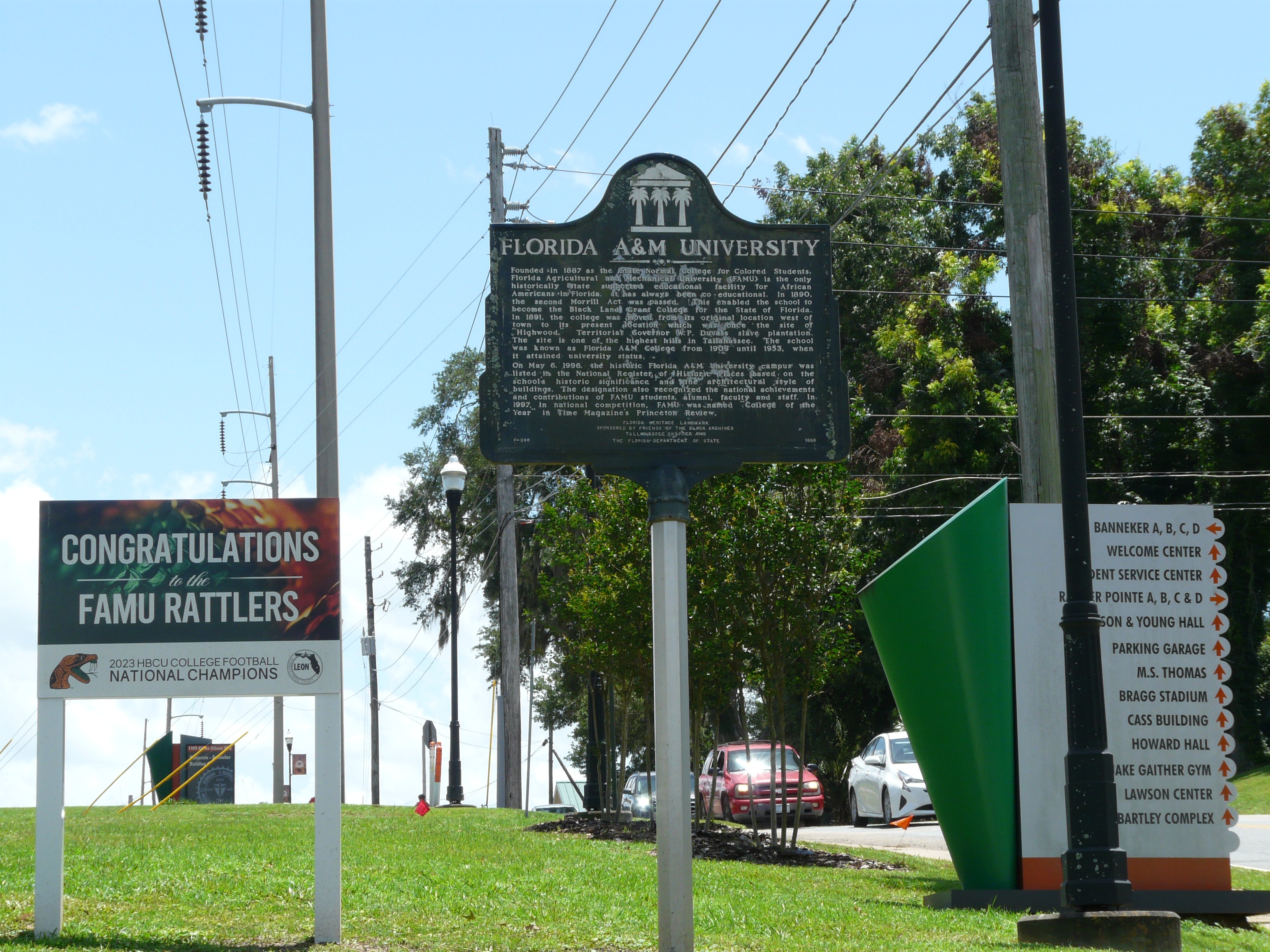
The investigation comes first. Tallahassee police and FAMU police are working the case jointly, no suspect had been publicly identified or arrested in the reporting available late Saturday, and detectives are asking anyone with information — including the many people who filmed the aftermath on their phones — to call the Tallahassee Police Department at 850-891-4200 or Crime Solvers at 850-574-TIPS. The next official updates to watch are the conditions of the critical and seriously injured victims, any arrest, and whether police revise the preliminary "isolated altercation" account as video and witness statements are reviewed. For the university, the coming days bring a different set of decisions: what it tells students returning to classes, what support it offers the injured and the thousands who ran from the gunfire, and whether future homecomings — the parade, the extended tailgating, the open streets — are run the same way again. FAMU said Saturday night that the safety of its students, faculty, and staff "remain our highest priority" and that it will share updates as more information becomes available. The families who came to Tallahassee to celebrate will be waiting for more than statements.
Sources
Tallahassee Democrat (USA TODAY Network), "Eleven people shot in Tallahassee after FAMU homecoming game" (October 24-25, 2026) — Police Chief Lawrence Revell's late-night press conference (12 injured, 11 with gunshot wounds, six juveniles and six adults, youngest victim 11, one critical, three serious, eight stable, older woman injured in the panic, "I stand before you devastated"), the full evening timeline (8:02 p.m. call at Perry and Manatee, 8:40 p.m. FAMU alert, 9:45 p.m. scene secure, 10 p.m. FSU alert, 11 p.m. FAMU statement, 11:30 p.m. briefing at 1845 Althea Gibson Way), eyewitness video descriptions, and the tip lines (TPD 850-891-4200; Crime Solvers 850-574-TIPS). New York Post, "11 people, including 6 kids, shot in bloody altercation at Florida A&M University homecoming party" (October 24, 2026) — corroboration of the toll and conditions, Revell's "isolated incident between 2 or 3 individuals," no fatalities, no arrests with a search for suspects under way, and student Jayden Dubois's account to WCTV. HBCU Gameday, "FAMU homecoming: Police confirm shooting near Bragg Stadium" (October 24, 2026) — the homecoming game (Arkansas-Pine Bluff 31, FAMU 28), the parade, extended tailgating until 10 p.m., and the 2026 homecoming theme. Tallahassee Democrat gun-violence analysis (August 2026) — 39 serious shooting incidents in the capital city and county in 2026 to that point, 11 dead and 29 injured. Conflicts handled: the Democrat's lead paragraph phrases the conditions as "three seriously injured, including one in critical," while its midnight update and the New York Post both give one critical plus three serious plus eight stable, totaling 12; this article follows the midnight update and the Post. No source reported any death; aggregator claims of fatalities were not used.