Ella Langley Tulsa concert canceled
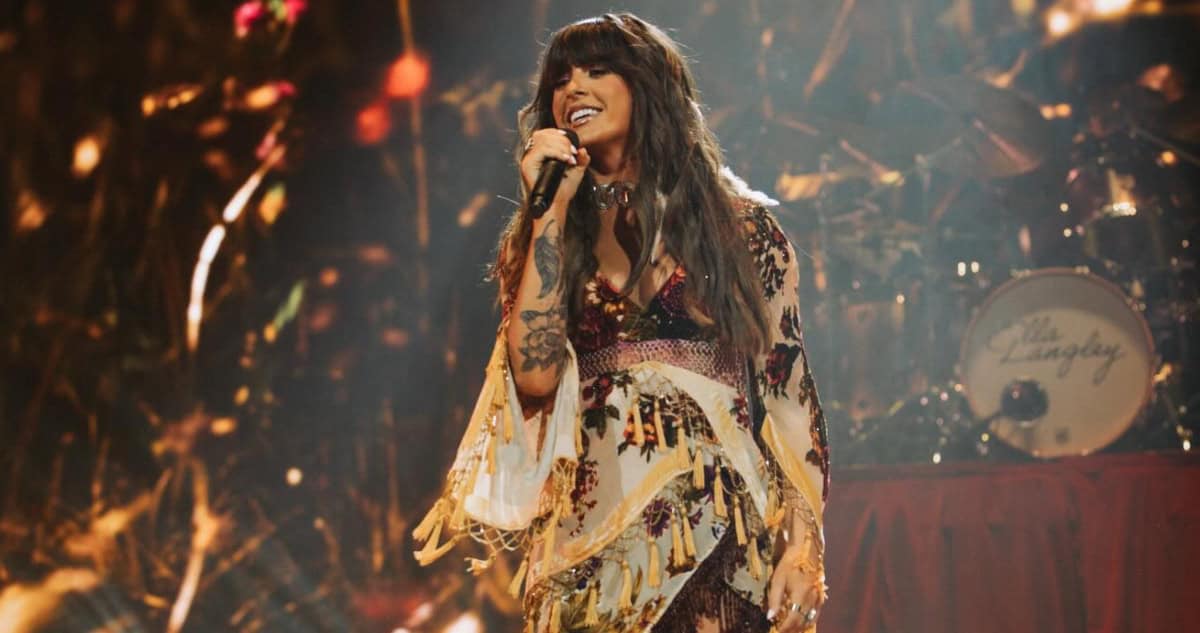
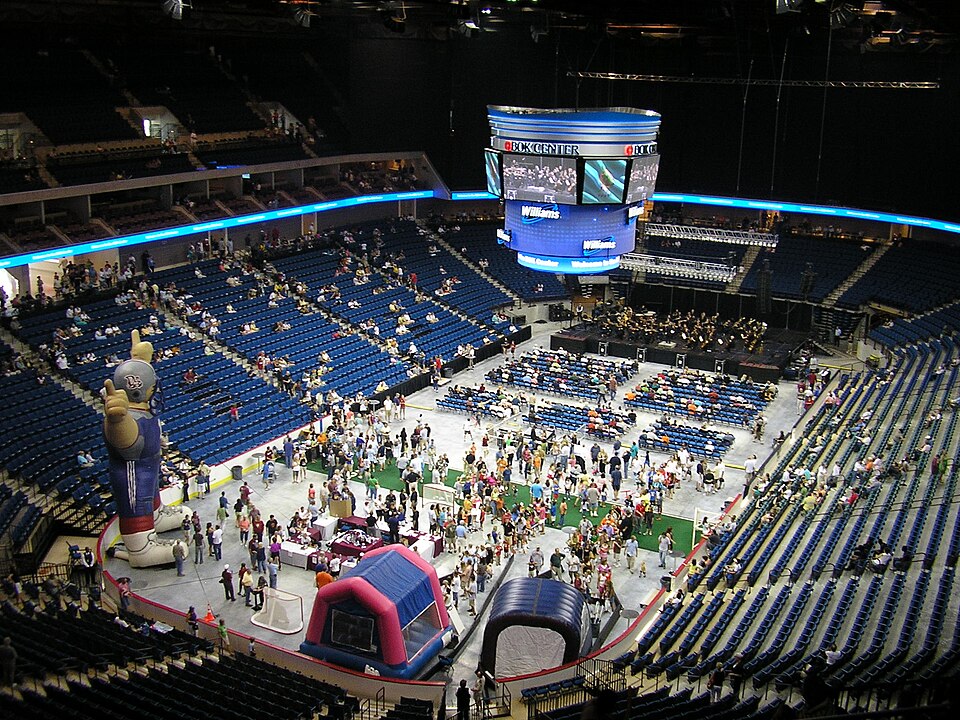
TULSA, Oklahoma — Country singer Ella Langley canceled her Friday night concert at the BOK Center roughly two hours before showtime after her team received what she described as a serious security threat.
Langley, 27, said the decision was made after consultation with local authorities, the venue and her security team. In a message to fans, she apologized for the disruption and said: “I know how much time, travel, money, and planning goes into coming to a show... your safety will always mean more to me than anything else. I refuse to put anyone in harm's way.”
Tulsa police presented a different but not necessarily incompatible account of the risk assessment. Capt. Richard Meulenberg said officers conducted a routine pre-event sweep with bomb-sniffing dogs and found nothing. Police then received a phone call warning of “great harm,” including “shots fired and bombs,” prompting a second full sweep. That search also produced no evidence of a credible threat.
Police say the final call was Langley's
Meulenberg said officers told the singer's representatives they could not substantiate the warning. “We would never tell anybody, if we couldn't find a credible threat, to cancel their event. So they made the decision to cancel their event tonight.”
That statement clarified who made the final call, but it did not erase the reason for concern. A specific threat had been communicated, and the absence of evidence after a sweep is not the same as proof that no person intended harm. At the same time, police emphasized that their searches did not support describing an active danger at the arena.
The two accounts therefore reflect different responsibilities rather than a simple factual contradiction. Police reported the result of their investigation at the scene. Langley and her advisers weighed the remaining uncertainty against the consequences of admitting thousands of people into a 19,000-seat venue.
Why this matters
Artist safety and the cost of false threats pull in opposite directions
Touring acts and venues must make high-stakes decisions with incomplete information. Cancel too late and a preventable security failure could expose fans, workers and performers to danger. Cancel after every unverified warning and anonymous callers gain the power to disrupt public events at little immediate cost.
The burden spreads well beyond the box office. Fans may lose money on travel, hotels, child care and time away from work even when tickets are refunded. Venue employees, vendors, local businesses and opening acts can also lose income. Police must divert officers and bomb-detection teams from other calls while investigators trace the threat.
Those costs are why authorities treat hoax threats seriously. Investigators must determine who made the call and whether it was a deliberate attempt to cause panic or force a cancellation. For Langley, the calculation centered on a different cost: proceeding while any uncertainty remained and then having something go wrong.
From breakout artist to arena headliner
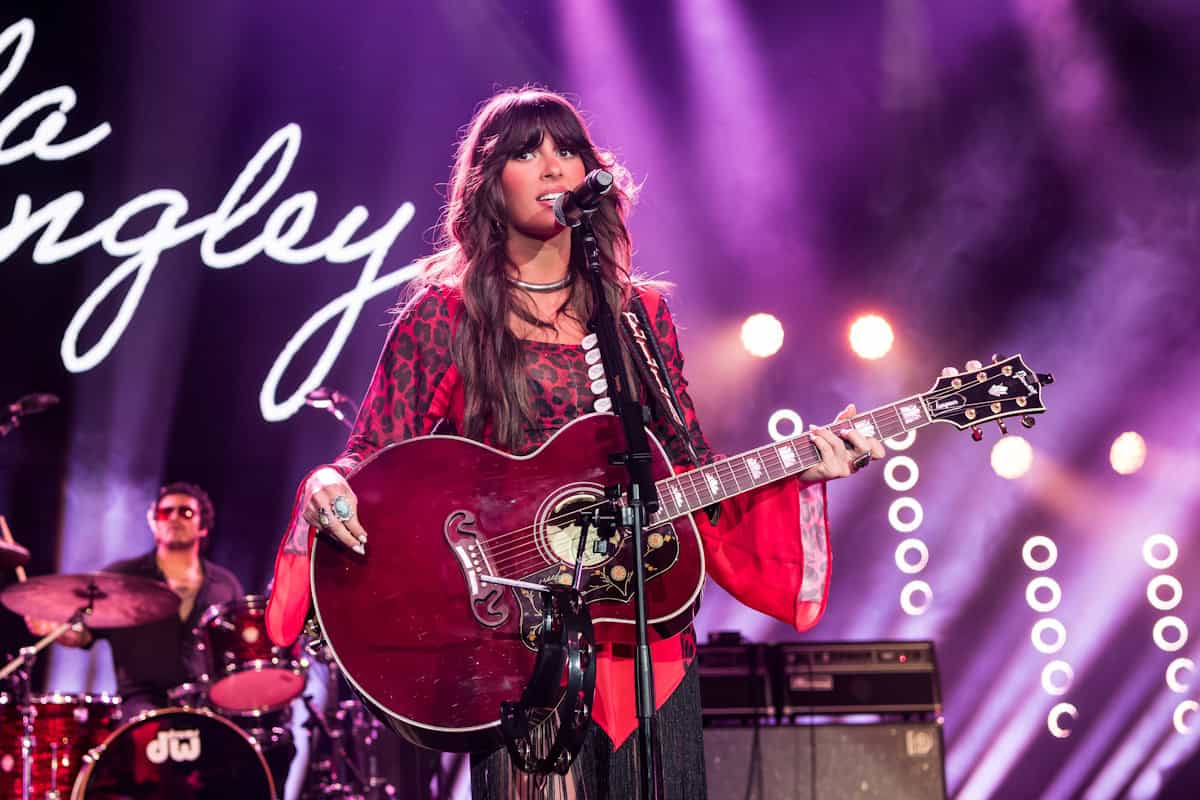
The cancellation came during the biggest headlining run of Langley's career. Her Dandelion Tour moved her into arenas after a rapid climb built on direct songwriting, a country-rock stage presence and a growing catalog of hits.
“Choosin' Texas” became the defining commercial marker of that rise. The song spent 23 weeks at No. 1 on the Billboard Hot 100, surpassing a longevity record previously held by Mariah Carey. That success expanded the audience for her 2026 album Dandelion and raised the stakes for a tour designed around her first major arena shows.
Tulsa was one stop in a schedule continuing through the end of October. The canceled date therefore affects more than a single night: her team must manage fan communication and security planning while keeping the remaining itinerary moving.
What happens next
Refunds, tour dates and the caller investigation
Ticket holders should watch the point of purchase and official venue or artist channels for refund instructions. Langley said details would be shared, but the initial announcement did not set out whether refunds would be automatic or whether the Tulsa show might be rescheduled.
The Dandelion Tour is scheduled to continue through October, with dates after Tulsa in Lubbock, Los Angeles, Des Moines, Lincoln and Saint Paul. Each venue will make its own security arrangements, and there was no public indication Friday night that the broader tour had been canceled.
Tulsa police are also expected to pursue the origin of the warning call. A completed arena sweep answers the immediate safety question; identifying the caller addresses accountability and may show whether the threat was targeted, reckless or connected to a broader pattern.
Until that inquiry produces more evidence, the clearest conclusion is limited: Langley chose caution despite police finding no credible threat. The decision imposed real costs on fans and the city, while the warning created a risk that her team was unwilling to accept.
Sources
- Reuters — cancellation, police response and security sweeps
- The Tennessean — Langley's statement, show timing and tour context
- USA Today — police account and false-threat investigation
Reporting distinguishes between the artist team's precautionary decision and police findings that no credible threat was located.