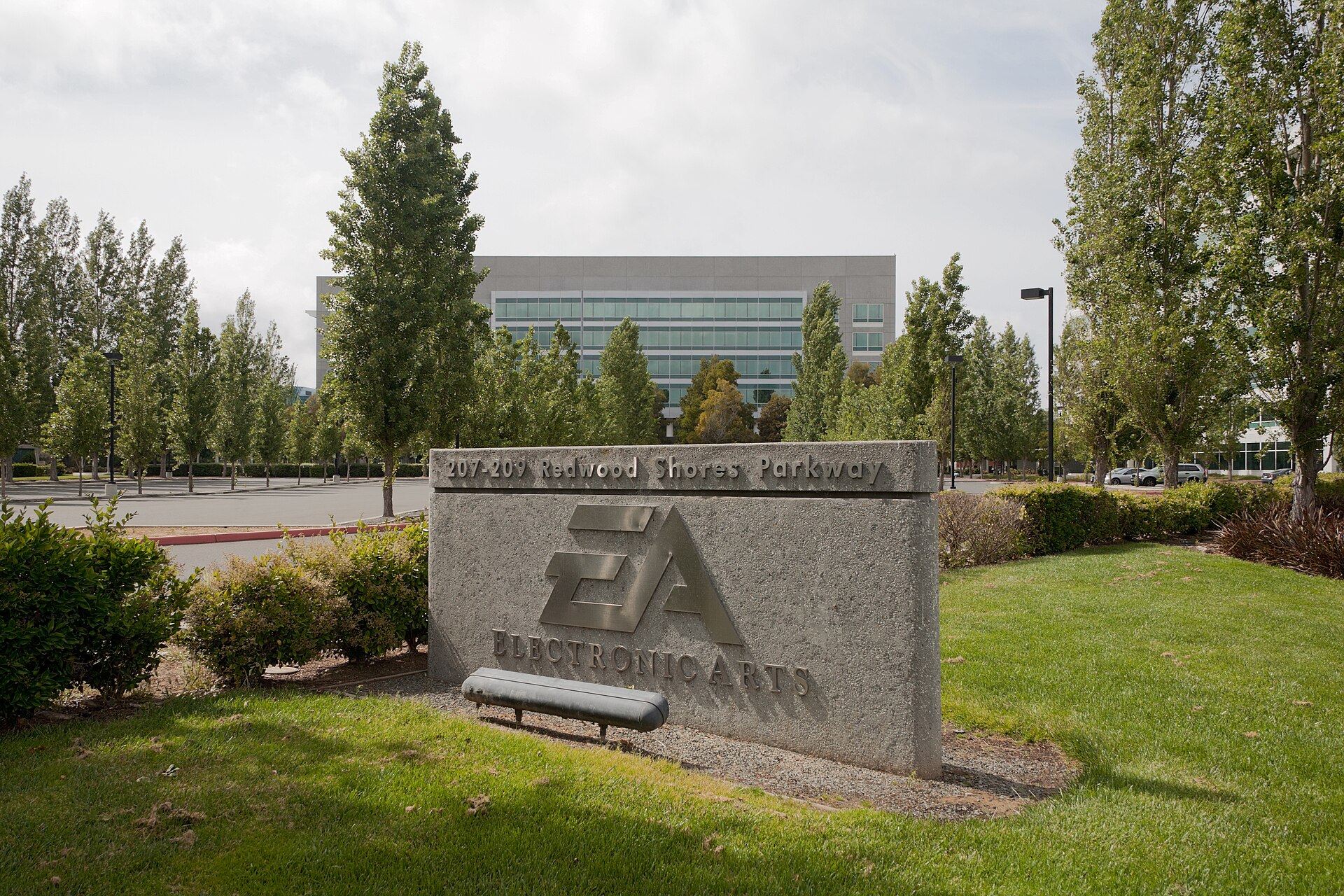
Technology / For three decades, if you wanted a video game that treated you like the author of your own space opera — your choices, your crew, your consequences — you went to BioWare. On Wednesday, Electronic Arts told the studio's staff that the story is over. EA is closing BioWare and its Edmonton workspace, cancelling the next Mass Effect game six years after it was announced, and cutting about 400 jobs across the company, weeks after a $55 billion buyout took the publisher private.
EA shuts down BioWare, the Edmonton studio behind Mass Effect and Dragon Age, in a restructuring announced to employees on Wednesday, October 21. EA said it would cancel the early-stage Mass Effect project BioWare's small remaining team had been developing, close the Edmonton studio, and cut around 400 jobs in total — about 3 percent of its workforce — including roughly 50 at BioWare, according to Bloomberg reporting cited by Reuters. The publisher said it will concentrate on fewer, larger action-adventure and sports franchises, continuing work on the next Star Wars Jedi game, Marvel's Iron Man, Apex Legends, Battlefield and its sports slate. BioWare, founded in 1995, confirmed its own closure in a farewell post: "Now, after more than three decades of shared adventures, BioWare is closing and early development on the next Mass Effect project is ending."
What EA announced on Wednesday
The news arrived the way it now usually does in games: in an internal letter, then everywhere at once. In a memo to staff, EA chief operating officer David Tinson and chief studios officer Cam Weber said executives had "taken a hard look at our business" and would focus on the publisher's proven hits. Of BioWare, they wrote: "We've made the decision not to move forward with this development, which means we're closing the studio and our Edmonton workspace. BioWare is a legendary studio that helped define the role-playing genre, and we do not take this decision lightly." Reuters reported that the cuts total around 400 jobs, roughly 3 percent of EA's staff, with Bloomberg putting BioWare's share at about 50 people — the remnant of a studio that once employed several hundred across Edmonton and Austin. EA said affected employees would be helped to explore other roles inside the company, and that it is also restructuring the team behind its skateboarding game skate. into a smaller studio. Development continues on the next Star Wars Jedi title, Marvel's Iron Man and — per industry reporting — a new Star Wars Battlefront from Respawn and DICE, while a Sims project codenamed Project Lotus is paused in favour of another Sims project, Project Evergreen.
BioWare's own farewell, posted to its official accounts, was the day's most-read document in gaming. "For more than 30 years, BioWare has been more than a studio. It has been a home for storytellers, developers, and the players who brought our worlds to life," the studio wrote. "What generations of BioWare built together is something to celebrate and remember. These games became so much more because you played them, debated your choices, fell in love with the characters, and made these worlds your own." There was no date given for the Edmonton's final day, no buyer for the studio, and no suggestion the Mass Effect or Dragon Age names would be handed to another team. The next Mass Effect — teased in December 2020 with a trailer that sent the fandom into six years of speculation — simply ends as a project that never left early development.
A 31-year run that defined the role-playing game
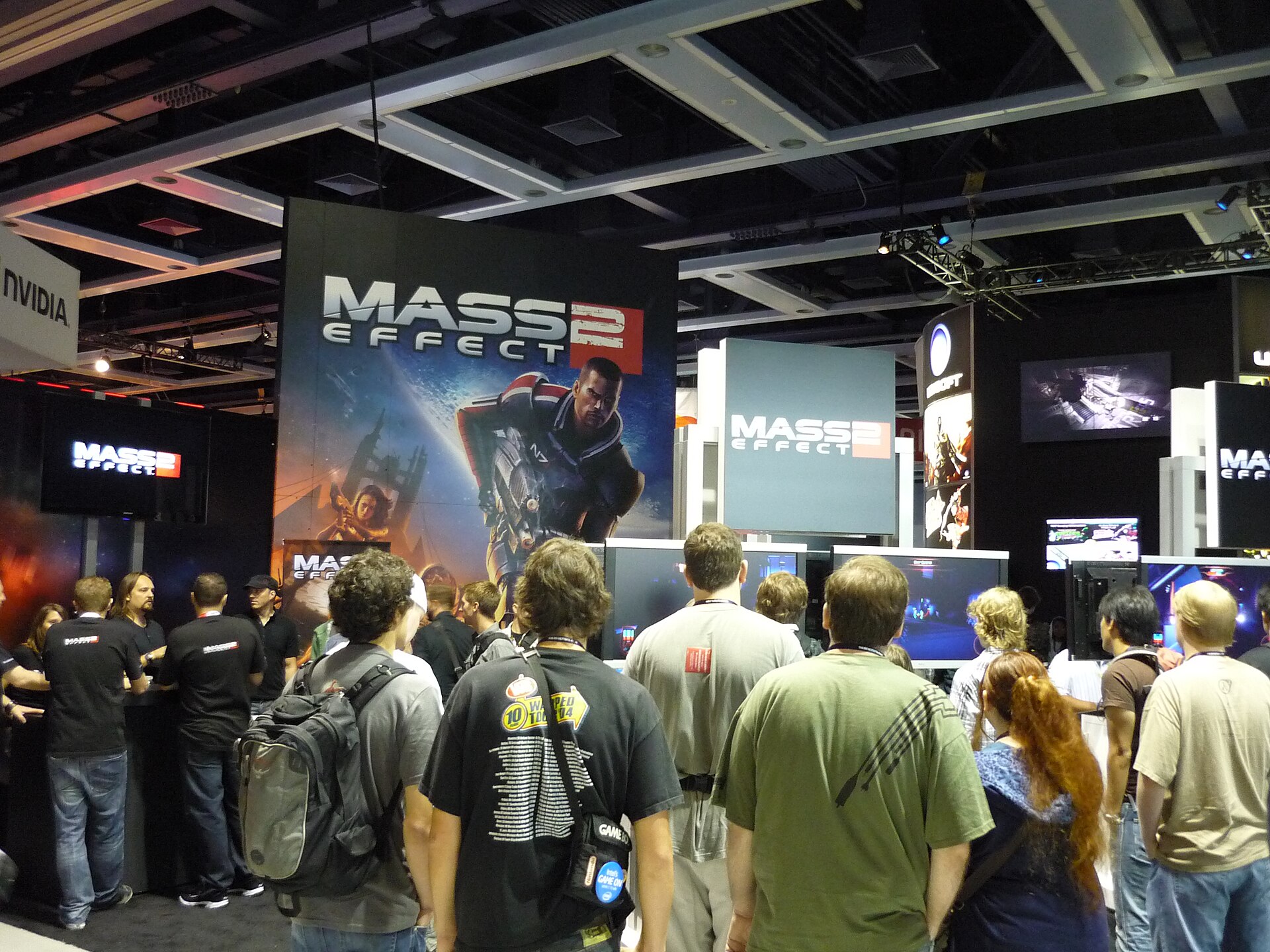
BioWare was founded in Edmonton in 1995 by three physicians — Ray Muzyka, Greg Zeschuk and Augustine Yip — who left medicine to make games, one of the industry's favourite origin stories because it turned out to be true and wildly successful. Baldur's Gate (1998) revived the computer RPG; Neverwinter Nights and Star Wars: Knights of the Old Republic (2003) proved licensed worlds could carry serious storytelling; Mass Effect (2007) and Dragon Age: Origins (2009) built two of the defining franchises of the Xbox 360 and PlayStation 3 era. EA acquired the studio in 2007, and for a decade BioWare was the publisher's prestige label — the name on the box that meant branching dialogue, companion characters players genuinely mourned, and endings your decisions had earned. The long decline is equally part of the record: Mass Effect: Andromeda (2017) launched to a mixed reception, Anthem (2019) failed to find an audience, and Dragon Age: The Veilguard (2024) — nearly a decade in development — missed EA's sales expectations. The remastered Mass Effect Legendary Edition (2021) sold the past back to fans handsomely, but a remaster is not a future, and by 2026 BioWare had shrunk to a small team nursing one early-stage project. Wednesday's decision ended a question the industry had been asking, with decreasing hope, for years.
Why this matters
It is tempting to file a studio closure as nostalgia news, and the grief is real — but the BioWare decision is better read as a balance-sheet document, the clearest one yet from the new, private EA. The $55 billion buyout led by Saudi Arabia's Public Investment Fund with Silver Lake and Jared Kushner's Affinity Partners, which closed in August, was the largest leveraged buyout in history and loaded the company with roughly $18 billion in debt, according to reporting on the deal. Servicing that debt requires predictable cash, and EA told the market where it intended to find it: a cost-cutting programme aimed at reducing annual costs by about $700 million, with a large share — around $170 million — classed as organisational efficiencies, the line item that has now translated, in Polygon's tally, into an estimated 970 layoffs over two years even before Wednesday's 400. Look at what survived the "hard look" and the logic is unmistakable: live-service and sports franchises with annual, forecastable revenue (Apex Legends, Battlefield, Madden and the football titles), plus licensed action games built on other people's universes (Star Wars Jedi, Iron Man). What died is the expensive, slow, single-player story game that takes six years and might miss — the exact category BioWare invented its reputation on. The studio was not closed because its games were unloved. It was closed because love, in a leveraged balance sheet, is not a line item.
A pattern bigger than one studio
BioWare is the most famous casualty of a consolidation wave that has been running through games for three years: publishers that spent the pandemic acquiring studios and green-lighting decade-long projects are now, under higher interest rates and private-equity ownership, pruning to the franchises that behave like annuities. The structural loser is the mid-budget, author-driven game and the regional ecosystems built around it. Edmonton is not a footnote here — BioWare was the anchor of Alberta's games industry for 31 years, a training ground whose alumni seeded studios across Canada, and its closure removes the reason a generation of Western Canadian developers did not have to move to Montreal, Toronto or California. When a publisher of EA's scale decides a 50-person prestige team is not worth carrying as an option on future tastes, smaller publishers notice, and the range of games that get financed narrows again.
Who gains, who loses, and what critics say
EA's new owners gain a cleaner story: fewer projects, bigger bets, costs down toward the promised $700 million. Rival publishers gain a suddenly available pool of senior RPG talent and two of gaming's most valuable dormant names to envy from a distance — though EA retains the Mass Effect and Dragon Age intellectual property, and nothing in Wednesday's announcement suggests a sale or licence is planned. The losers are concrete: about 400 employees, 50 of them the last BioWare staff; Edmonton, which loses its flagship studio; and players, who lose not just one cancelled game but the only team that has ever made a Mass Effect game — a sequel by another studio is possible in the way anything is possible, and meaningless in the way that sentence implies. Critics of the decision, vocal across the industry within hours, make two arguments worth separating. The commercial one — that Veilguard's miss and a six-year early development made BioWare indefensible — is honestly hard to dispute on EA's own numbers. The strategic one is stronger: that a catalogue of beloved franchises is an asset whose value compounds, that Legendary Edition proved the audience is still there and still paying, and that cancelling the future while selling the past is a choice about the kind of company EA now is, not a necessity imposed on it. Both arguments can be true, and Wednesday, both were.

What happens next
Three things bear watching. First, the people: where BioWare's senior writers, designers and engineers land will shape RPGs for a decade — watch independent studios and rival publishers' hiring over the next two quarters, and whether any Edmonton successor studio forms around the departing team, as has happened after past EA closures. Second, the franchises: EA keeps Mass Effect and Dragon Age, and dormant IP at a debt-carrying publisher eventually gets monetised — a licence, a sale, a television or film adaptation on the back of the games' stories are all more plausible paths now than a new in-house game. Third, the template: EA is the test case for leveraged-buyout games publishing, and every large publisher board is watching whether the $700 million savings programme stabilises the company or hollows it. If the hits keep hitting, expect imitation. If Apex or Battlefield stumbles with no prestige bench left to absorb the shock, Wednesday will read differently in hindsight. Either way, an era ended in an Edmonton office on October 21: the studio that taught a generation of games to let players choose will not get to choose what it makes next. Signal Post News has been tracking the wider repricing of big tech and gaming, from OpenAI's revenue shortfall and the AI chip selloff to Google's public launch of its SynthID detector.
Sources
Reuters, "EA to shutter BioWare studio, cut jobs as it narrows game slate" (October 21, 2026) — the closure and Edmonton shutdown, the cancelled early-stage Mass Effect project, the roughly 400 job cuts (about 3 percent of staff, including roughly 50 at BioWare per Bloomberg), the skate. restructuring, continued development of Marvel's Iron Man and the next Star Wars Jedi game, and the $55 billion PIF/Silver Lake/Affinity buyout that closed in August. Polygon, "BioWare officially shutting down and new Mass Effect canceled" (October 21, 2026) — the Tinson and Weber staff letter ("taken a hard look at our business," "BioWare is a legendary studio that helped define the role-playing genre"), BioWare's farewell statement, the continuing Apex Legends/Battlefield/Star Wars slate, the Sims Project Lotus pause, and the buyout's reported debt and $700 million cost-cutting programme. Push Square (October 21, 2026) and Gadgets 360 (October 21–22, 2026) — EA's published statement on closing the Edmonton workspace and BioWare's social-media farewell in full. Historical details (founding in 1995, the Baldur's Gate/Knights of the Old Republic/Mass Effect/Dragon Age record, the 2007 EA acquisition, Andromeda, Anthem and Veilguard's reception) are the established public record of the studio, consistent across the cited coverage.