Djibouti migrant boat capsizes 139
The boat sank almost as soon as 305 people boarded it. Half of them had already been turned back from Yemen once — and got back on anyway. That fact says more about the Eastern Route than any statistic.
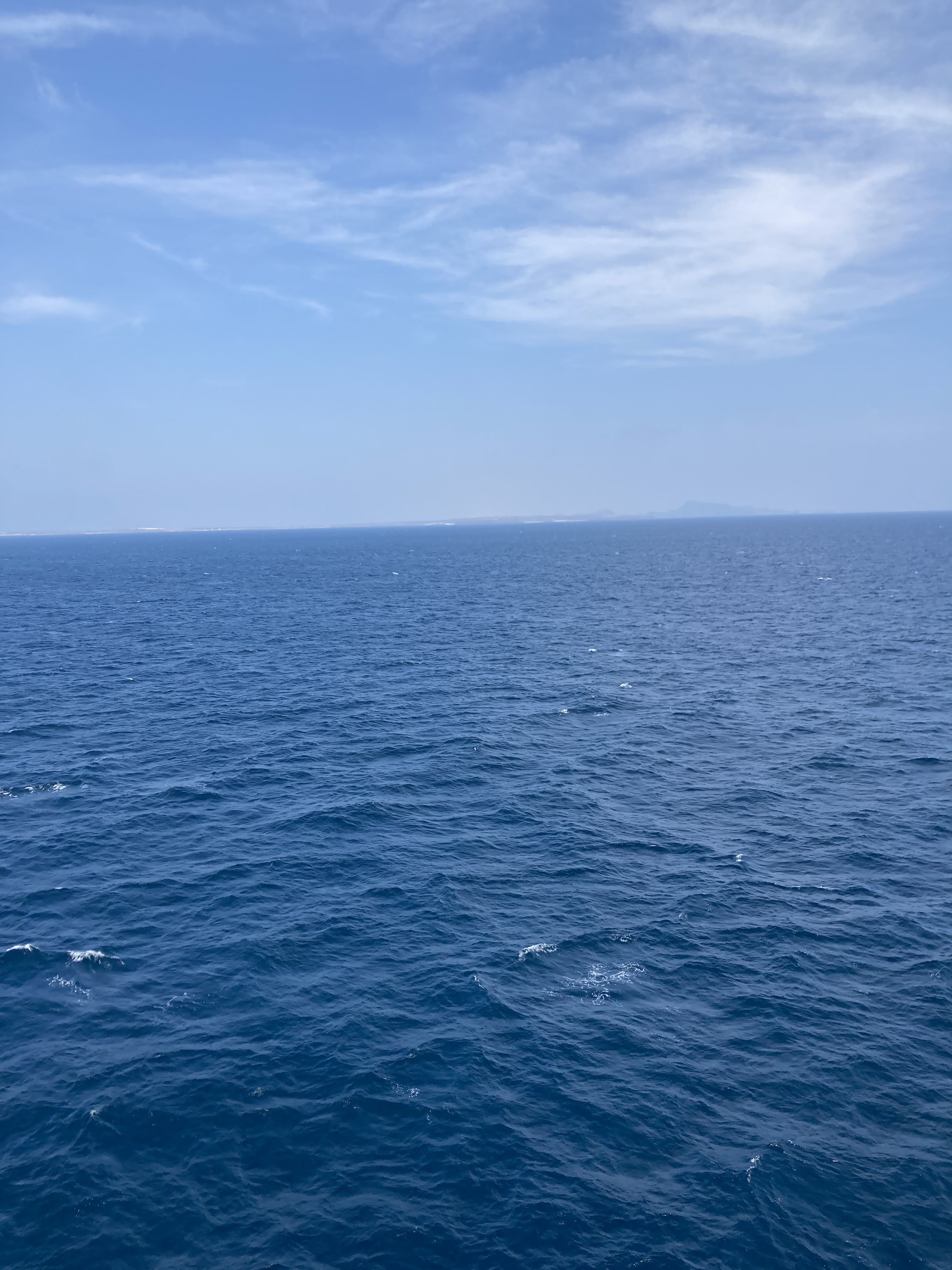
At least 139 migrants — including at least 15 children — are dead and another 84 are missing after an overcrowded boat carrying 305 people capsized near Guhere, north of Obock on Djibouti's eastern coast, during the night of October 8-9, the UN's International Organization for Migration announced on Sunday. Eighty-two people survived, all of them Ethiopian nationals. The agency called it one of the deadliest shipwrecks ever recorded on the Eastern Route, the migration corridor linking the Horn of Africa to Yemen and the Gulf states — and the death toll may still rise.
Why this matters
Shipwrecks on the Eastern Route happen with grim regularity, and most of them barely register beyond the IOM's incident logs. This one should, for three reasons. First, the scale: 139 confirmed dead makes it one of the deadliest single incidents on this corridor, and with 84 people still missing, the final toll could approach half the boat's manifest. Second, the detail that reframes everything — 150 of the people aboard had previously been turned back from Yemen and attempted the crossing again. Read that again. These were not people who didn't know the risks. They knew exactly what the crossing entailed, had already failed at it once, and boarded an obviously overloaded boat anyway. That is not ignorance; it is a measure of desperation so extreme that a known lethal risk looks like the better option.
Third, the destination. These migrants were heading toward Yemen — a country in the grip of its worst escalation of fighting since the 2022 truce, with the Saudi-backed government and the Houthis at war. The standard mental model of migration is people fleeing danger toward safety. The Eastern Route inverts it: people fleeing poverty, conflict, and climate shocks in the Horn of Africa are traveling toward an active war zone because the wages on the other side of it — in Saudi Arabia and the Gulf — are the only economic future they can see. When a war zone is the transit country, the usual policy vocabulary of "safe routes" and "deterrence" stops describing reality.
What happened that night
The verified facts, as reported by the IOM: the boat was carrying 305 people, most of them Ethiopians, when it sank near Guhere, off Djibouti's eastern coast in the Gulf of Aden, during the night of October 8-9. "Survivors told me that the boat started to sink backwards as soon as they got in it," said Alexandre Coissac, the IOM's chief of mission in Djibouti — a sentence that captures the physics of the disaster. This was not a vessel overwhelmed by a storm. It was a boat that should never have left the shore, loaded far beyond anything it could carry, sinking under the weight of its own manifest.
The toll evolved as bodies were recovered. The IOM initially reported 109 dead and 116 missing; after 30 more bodies were pulled from the water, the count rose to 139 dead and 84 missing. Among the recovered dead in the initial report were 52 men, 42 women, and 15 children — nine girls and six boys. The official count may rise further: some bodies buried by migrants themselves in unmarked common graves have yet to be verified by authorities, Coissac told the Associated Press. Djiboutian authorities continued search-and-rescue operations while IOM teams provided emergency assistance; the agency is supporting 64 survivors at its Migrant Response Centre in the coastal town of Obock.
IOM Director General Amy Pope's comment cut to the moral core: "No one gets into a boat like that unless they believe there is no other safe way." It is worth sitting with that sentence, because it is also an indictment. The international system has spent years building the architecture of "safe and legal pathways" — and the people this system is meant to serve keep concluding, in the hundreds of thousands, that the pathways do not exist for them.
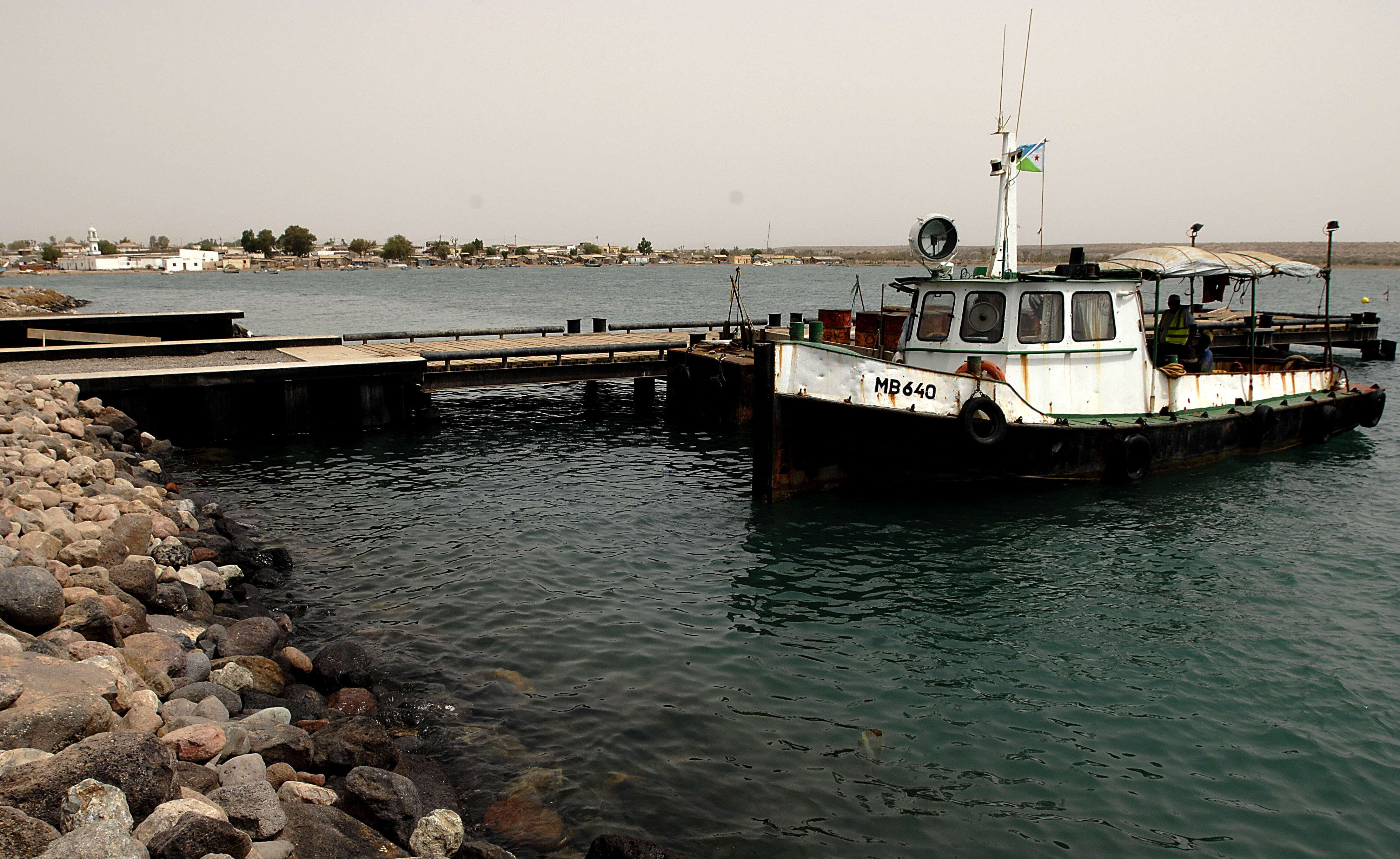
Background: the Eastern Route, and why it keeps filling with boats
The crossing from the Horn of Africa to Yemen via the Bab al-Mandeb strait is one of the world's busiest and most dangerous migration corridors. Hundreds of thousands of people — mainly Ethiopians and Somalis — travel it each year toward Gulf countries, particularly Saudi Arabia, in search of work or to escape conflict and natural disasters. The narrow waterway separates Djibouti and Yemen by less than 30 kilometers at its narrowest point, but the journey carries extraordinary risks: capsizings, extreme heat, dehydration on the desert legs, and exploitation by smugglers who control the boats and set the prices.
The drivers the IOM names are poverty, insecurity, and the growing impacts of climate change — and each of those words is doing heavy work right now. Ethiopia saw fighting erupt last month in the biggest escalation since the 2020-2022 Tigray war, displacing people and collapsing livelihoods. The IOM recorded more than 20,000 incoming movements from Ethiopia to Djibouti since September 10 alone — a surge measured in weeks, not years. On top of conflict sits the slower grind: failed rains, dead livestock, and farm incomes that no longer feed families. Migration researchers have a term for what happens when those pressures compound — "distress migration," movement undertaken not in pursuit of opportunity but in flight from the absence of any. The Eastern Route is distress migration at industrial scale.
And the destination keeps getting more dangerous, not less. Yemen is experiencing its worst escalation of fighting since the 2022 truce between the Saudi-backed government and the Houthis. Migrants landing in Yemen face a war zone: detention, extortion, forced recruitment risks, and a humanitarian catastrophe that the UN has called among the world's worst. The fact that the flow continues — that 150 people turned back from Yemen got straight back onto another boat — tells you that deterrence-by-danger has failed completely on this route. The danger is priced in. It is not a bug in the migrants' calculation; it is a known cost they have decided to pay.
The smugglers' economy
It is worth asking who profits from a boat that sinks as soon as 305 people board it. The Eastern Route is run by smuggling networks that charge per head and bear almost none of the risk: the boat is disposable, the crew often abandons it or is itself expendable, and the payment is collected before departure. Overloading is not an accident in this business model — it is the margin. Every additional body on a boat that was already full is pure profit, and the cost of that profit is paid in lives the smugglers never have to account for. This is why enforcement-only responses keep failing: seizing a boat or arresting a crew disrupts one departure while leaving the demand — hundreds of thousands of people a year — and the profit motive entirely intact. The smugglers' real product is not transport; it is the monetization of desperation.
Putting the numbers in context
Three hundred and five people on a single small boat. To grasp that number, consider that the vessel was described as starting to sink "backwards as soon as they got in it" — the boarding itself was the capsizing event. Of the 305, 139 are confirmed dead, 84 missing, 82 survived. That is a casualty rate above 70 percent even before the missing are accounted for; if the missing are mostly dead, as experience suggests, three out of four people who boarded that boat did not survive the night. The 15 children among the dead — nine girls, six boys — are a reminder that this route is not traveled only by young men seeking work; entire families are making the calculation.
Set against the flow: hundreds of thousands cross yearly, and the IOM logged 20,000+ movements from Ethiopia to Djibouti in roughly a month. One boat of 305 is a rounding error in the annual flow — which is precisely why the death toll, horrific as it is, will not stop the next boat. The Eastern Route has absorbed mass-casualty events before and kept filling. The Mediterranean crossing offers the bleak comparison: years of shipwrecks, naval patrols, and deals with transit states have not ended the departures, because the departures are driven by conditions at the origin, not by the availability of boats. The policy lesson the Mediterranean teaches — and that the Eastern Route is now repeating — is that you cannot interdict your way out of a migration flow whose causes you are not addressing. Every drowned migrant is, among other things, a data point about the gap between the development and conflict-resolution spending the world promises and the conditions people actually live in.
Who bears responsibility — and what the honest debate looks like
There is a real debate here, and it deserves better than slogans. One side argues the priority must be disrupting the smuggling networks and strengthening coastal enforcement: the boats are the proximate cause of death, the smugglers are criminals profiting from murder-by-overloading, and every departure prevented is lives saved. Djiboutian authorities' search-and-rescue work and the IOM's survivor support fit this frame — immediate, practical, life-saving.
The other side argues that enforcement without alternatives is cruelty with better paperwork: as long as the drivers — war in Ethiopia, war in Yemen as transit, climate-collapsed livelihoods, and Gulf labor markets that will absorb the survivors — remain untouched, interdiction just reroutes the flow to more dangerous boats and more remote departure points. The IOM's own framing leans this way: poverty, insecurity, and climate change are the causes; the boat is the symptom. Amy Pope's line — "no one gets into a boat like that unless they believe there is no other safe way" — is, read carefully, an argument for building the other safe way rather than for policing the boat.
The uncomfortable truth both sides have to face: the international response to the Eastern Route is funded and organized as an emergency response to a permanent condition. IOM migrant response centers, search-and-rescue, survivor support — all of it treats each shipwreck as an event. But the flow is not a series of events; it is a standing feature of the region's political economy, as predictable as the seasons. Until policy treats it that way — with legal labor pathways to the Gulf that undercut the smugglers' market, and with serious investment in the Ethiopian communities the migrants are fleeing — the Obock morgues will keep filling.
What happens next
In the immediate term, the search continues and the toll will likely rise as more bodies are recovered or verified — including those in the unmarked graves. The 64 survivors at the IOM centre in Obock face the question of what comes next for them: voluntary return to Ethiopia, or, for many, another attempt. Remember the 150 repeat crossers on this boat. The IOM's experience with Eastern Route survivors is that a significant share try again, because the conditions that drove them out have not changed in the weeks since they left.
The policy window this disaster opens is narrow and familiar. Mass-casualty events briefly focus diplomatic attention: expect renewed calls for a regional approach to the Eastern Route, more funding appeals for the IOM's Horn of Africa operations, and statements from Gulf states about labor pathways. The test is whether anything structural follows — a real expansion of legal migration channels, coordinated anti-smuggling operations that target the networks' finances rather than their disposable boats, and pressure toward de-escalation in both Ethiopia and Yemen. The base case, if history is a guide, is statements without structure: the world's attention moves on, the smugglers replace the boat, and the route keeps its terrible arithmetic. The 84 missing are still missing. That is the part of the story that has not ended.
Related coverage
Sources
- ReliefWeb (IOM) — Death toll in Djibouti shipwreck climbs to 139 - UN migration (October 2026)
- Fox News — At least 139 migrants dead, 84 missing after overcrowded boat capsizes off Djibouti (October 2026)
- Reuters (via WIXX) — 109 migrants including 15 children dead after boat from Djibouti to Yemen capsizes, UN agency says (October 11, 2026)