World · Chile · Fuel
Rodríguez built a following by naming alleged drug traffickers and politicians. On Monday afternoon, gunmen killed him on a highway outside San José in what the attorney general says resembles a contract killing — the first murder of a journalist in Costa Rica in a quarter of a century.
SAN JOSÉ — Camilo Rodríguez, a Costa Rican journalist and communicator who gained prominence publishing allegations against suspected drug traffickers and politicians, was shot dead on Monday, authorities said — the first known killing of a journalist in Costa Rica in 25 years.
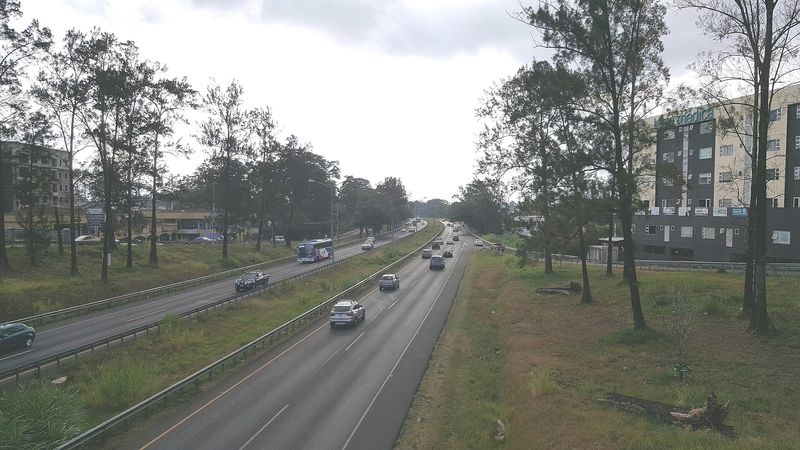
Rodríguez, 51, was attacked at about 3:20 p.m. local time amid heavy traffic on a main highway on the outskirts of the capital, San José, according to Reuters, citing the Red Cross. Other sourced reporting placed the attack in Santo Domingo, in Heredia province, on Route 32 toward Limón, and said two suspects on a motorcycle carried it out, with nine to ten cartridge casings recovered at the scene, according to the Judicial Investigation Agency (OIJ) as reported by Europa Press. The precise location accounts differ in the early reporting; the fact of the killing does not.
“A crime scene resembling a contract killing”
Attorney General Carlo Díaz told Extra Noticias that investigators found multiple bullet impacts and a crime scene resembling a contract killing, likely linked to the allegations Rodríguez had published. “We know he was a communicator who publicly identified people for alleged links to drug trafficking,” Díaz said. No arrests had been reported at the time of publication; the OIJ and prosecutors are reviewing surveillance cameras and reconstructing the attackers' route.
What Rodríguez published
Rodríguez worked largely outside the traditional media, building his audience on social media, where he published allegations naming people he accused of links to drug trafficking — including politicians. He said he had handed his investigations to the US Drug Enforcement Administration. Those claims — his about the people he named, and his about the DEA — are reported here as he made them; they were allegations, not adjudicated findings, and this article does not present any of them as established fact.
The president, the accusation and the lawsuit
President Laura Fernández condemned the attack in a video message. The condemnation sits against a charged background, which this article states neutrally and in full: Rodríguez had accused President Fernández of links to drug trafficking — an accusation she has repeatedly denied — and she sued him for defamation in early 2026. Both the accusation and the denial are part of the public record of this case; neither is evidence about who killed him, and investigators have announced no motive finding beyond the attorney general's assessment that the killing was likely linked to the allegations Rodríguez published.
A peaceful country under strain
Costa Rica has long been regarded as one of Central America's most peaceful and stable democracies — a country that abolished its army in 1948 and built its brand on institutions and ecotourism. That model is under strain. International trafficking groups have turned Costa Rica into a key cocaine transit hub toward Europe, local gangs fight over the domestic market that transshipment leaves behind, and homicides have risen considerably. Journalists in much of Central America work under threats that Costa Rican journalists, until now, had largely been spared: the last known killing of a journalist in the country was 25 years ago.
That is what makes Monday's highway shooting a national shock rather than only a crime story. A communicator whose work consisted of naming alleged traffickers was killed in daylight, in traffic, in a manner the country's own attorney general describes as resembling a contract killing. Whether the investigation produces arrests — and whether it can establish who ordered the killing, not only who fired — will test whether Costa Rica's institutions can hold the line that has separated it from the region's violence against the press. Signal Post News will update this article as the OIJ investigation develops.
Sources
Reuters, November 16–17 — reuters.com/world/americas. BBC News, November 17 — bbc.com/news/world-latin-america. Europa Press, November 17 — europapress.es.