Christa Pike conscious after botched execution
The Tennessee death-row inmate survived two doses of pentobarbital on September 30 — the first person known to survive administered lethal-injection drugs. Her lawyers head to court Wednesday to preserve evidence, while a Texas inmate set to die the same evening cites her case in an emergency appeal.
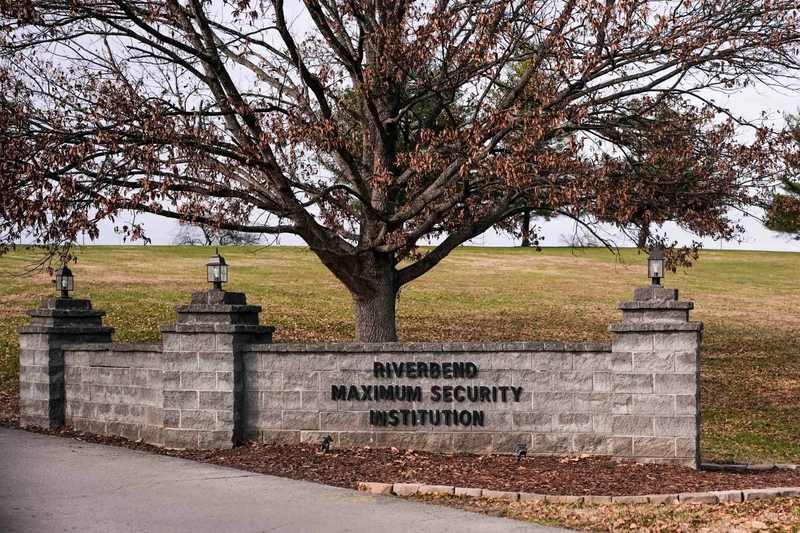
Christa Pike is conscious after botched execution attempts — the Tennessee death-row inmate is awake and speaking nearly a week after the state tried and failed to execute her by lethal injection, her attorneys announced Tuesday. “Against all odds, Christa Pike is conscious, speaking, and continues to receive critical medical care,” her public-defense legal team said in a statement. Pike, 50, survived two full doses of pentobarbital during the September 30 attempt at Riverbend Maximum Security Institution in Nashville — believed to be the first person in history to survive the administration of lethal-injection drugs. Her recovery is “medically unprecedented,” her attorneys said: “Her prognosis remains unclear but, at a minimum, we expect a long recovery.” The development lands hours before two linked events on Wednesday: her lawyers go to court seeking preservation of evidence from the failed execution, and Texas is scheduled to execute another inmate by lethal injection.
Why this matters
A botched execution is a system failure; a survivor of one is something the American legal system has never had to process before. Pike's consciousness transforms an already historic case from a near-miss into a living person with severe injuries, medical bills, legal bills, and a still-active death sentence — and every question it raises is unanswered: can the state try to execute her again? What does the Constitution's ban on cruel and unusual punishment mean for a woman the state already injected with lethal drugs twice? The answers will shape death-penalty law for decades, and the Texas emergency appeal citing her case shows the ripple effects have already begun. This is not just one woman's medical story; it is a live stress test of the machinery of capital punishment.
What happened on September 30
The execution attempt unfolded on the night of September 30 at Riverbend Maximum Security Institution. According to Pike's attorneys, the state administered two complete rounds of lethal injection under Tennessee's protocol — the sedative pentobarbital — yet Pike survived. Those administering the injection struggled to gain intravenous access: the emergency motion filed by her lawyers says staff used “at least seven needles,” and one needle was found bent at a 90-degree angle when removed. When Pike arrived at a Nashville-area hospital, her attorneys said, her arms were “swollen, burned, and blistered” — pentobarbital “burns upon contact, including skin, tissue, and veins.” As of Friday, she remained unconscious, critically ill, and on a ventilator as doctors worked to clear the drug from her system. The attempt would have been the first execution of a woman in Tennessee in nearly two centuries; instead, she became the first known person to survive after execution drugs were administered.
“Medically unprecedented” — and still shackled
The Tuesday statement is striking not only for the medical turnaround but for what it reveals about Pike's treatment. “Despite the severe damage she endured to her arms, she is still handcuffed and shackled to the bed,” her attorneys wrote. Her legal team thanked the first responders and hospital staff who “treated Christa like a human,” and the thousands who sent messages of support. The attorneys also recounted her history: a childhood of reported sexual abuse and neglect, nearly 30 years on death row — much of it in solitary confinement — and clemency denied by Governor Bill Lee last week after the clemency petition argued the sentence failed to account for that trauma. The survival itself has no medical playbook: no one has documented what two doses of pentobarbital do to a person who lives through them, which is precisely why her attorneys call the recovery medically unprecedented.
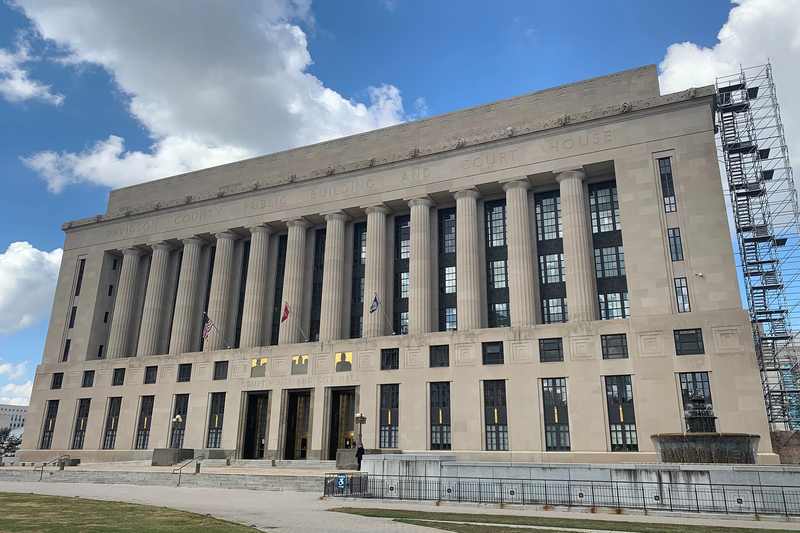
Wednesday's court hearing: preserving the evidence
Pike's lawyers will be in Davidson County Chancery Court in Nashville at noon Eastern on Wednesday, seeking a court order to preserve evidence from the failed execution. The emergency motion, filed Friday, alleges the Tennessee Department of Correction inflicted “cruel and unusual punishment” through “deliberate indifference to her basic medical needs and reckless disregard of basic medical practices and their own lethal injection protocol.” The attorneys alerted the state to its duty to preserve evidence at 1:09 a.m. Eastern on Thursday, hours after the botched attempt. They are asking for the preservation of physical, written, and electronic evidence — everything that could show what went wrong and why. Pike is not expected to appear. In the wake of the failure, Tennessee announced a halt on all scheduled executions — a pause that buys time but answers nothing about whether a second attempt on Pike herself is even on the table.
The Texas execution that cites Pike
While Pike's lawyers head to court, another clock runs out 700 miles southwest. Texas death-row inmate Jamaal Howard is scheduled to die Wednesday evening in Huntsville — which would make him the first person executed after Pike's survival. Howard, 46, was sentenced for the 2000 murder of Vickie Swartout during an attempted robbery; he was 20 at the time and has spent more than two decades on death row. His legal team has mounted an emergency appeal and asked Governor Greg Abbott for a 30-day reprieve, arguing the systematic drug failures that left Pike alive render Howard's pending execution — also by lethal injection — both cruel and unsafe. “I've had a lot of clients executed and I've had a fair number die of natural causes but never one like that,” said Jeff Newberry, a member of Howard's legal team, expressing sympathy for Pike's lawyers: “It's gotta be an unbearable toll.” Howard's lawyers also say he has an intellectual disability and a long history of severe mental illness, with his IQ measured in the 65-to-70 range.
What the numbers say
Two doses of pentobarbital survived — a fact with no precedent in American capital punishment. At least seven needles attempted for IV access, one bent 90 degrees: numbers that suggest a procedure struggling badly before the drugs even flowed. One court hearing (Wednesday, noon ET), one scheduled Texas execution (Wednesday evening), one governor's reprieve request — all within hours of Pike's first words since the attempt. Nearly 30 years Pike has spent on death row, convicted as a teenager for the 1995 torture-murder of her 19-year-old schoolmate Colleen Slemmer — the “Jobs Corps Murder” — a case Knoxville's then-police chief described as gruesome. One halted execution program (Tennessee's), and an unknown number of defense attorneys nationwide now drafting filings citing the first survived lethal injection in U.S. history.

What happens next
Wednesday is the pivot point. If the Chancery Court grants the evidence-preservation order, investigators will have a protected record of what Tennessee did wrong — the first step toward any claim that a second execution attempt would be unconstitutional. If Texas proceeds with Howard's execution Wednesday evening despite the reprieve request, it becomes the first state to carry out a lethal injection in the shadow of Pike's survival, inviting the national scrutiny that follows. Beyond the week: Pike's attorneys will almost certainly challenge any new execution date on Eighth Amendment grounds, citing the injuries she already sustained; Tennessee's halted program will need a review of its protocol before any restart; and every death-penalty state using pentobarbital will be reading the same evidence. The deepest question — whether a state may try again to execute someone it already failed to execute — is heading for courts that have never answered it, because until Christa Pike, there was no one to ask it about.
Sources
- The Times: Death row inmate Christa Pike conscious after botched execution
- CNN: Attorneys ask for evidence to be preserved following Christa Pike's attempted execution
- WVLT: Christa Pike is awake and speaking days after failed Tennessee execution
- LADbible: Death row inmate next in line for lethal injection after Christa Pike's botched attempt
Reporting note: Medical and procedural details are attributed to Pike's attorneys and court filings. Analysis and framing are by Signal Post News.