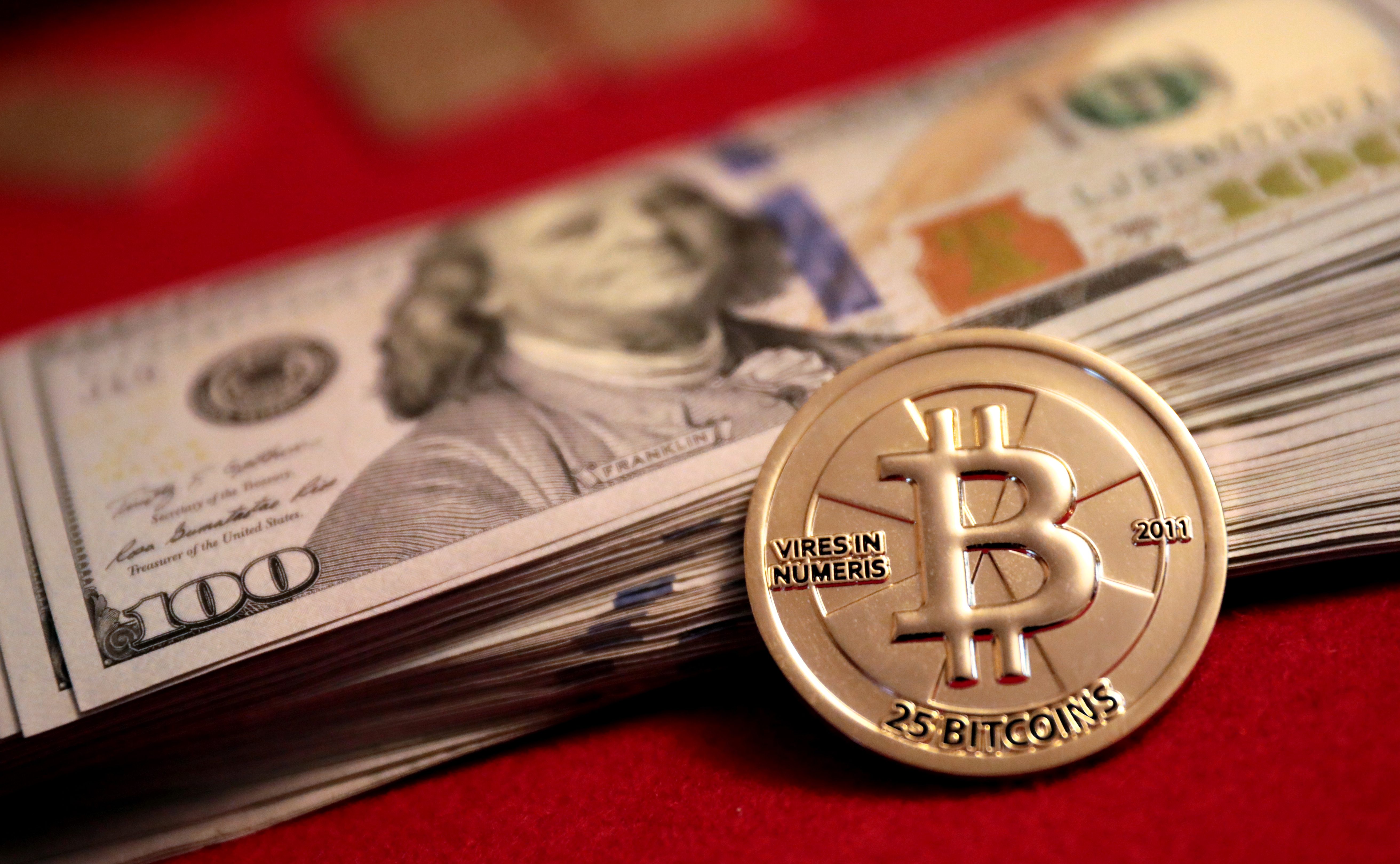
Business / Crypto — Chinese prosecutors have opened a confiscation case over 61,896 bitcoin seized by British police from convicted fraudster Qian Zhimin — a stash worth about $5.1 billion that now sits at the centre of a two-country legal fight over who gets the money: more than 102,000 defrauded investors, or the states that caught her.
Track it live: cryptocurrency prices and market data on the Signal Post News crypto tracker.
China seeks to seize 61,800 bitcoin — 61,896 coins, to use the exact figure in the court notice — and the fight over that fortune has now formally begun on two continents at once. The Tianjin No. 2 Intermediate People's Court announced on October 13 that it had accepted an application from prosecutors to confiscate the bitcoin and a wider haul of assets seized by British authorities from Qian Zhimin, the convicted controller of a Chinese investment scheme that took in more than 40 billion yuan (about $5.7 billion) from over 102,000 investors. One day earlier, on October 12, a High Court judge in London ruled that Chinese law — not English law — should decide whether those investors hold property rights in the very same coins. Neither ruling takes a single coin out of British custody. Together, they set the terms of one of the largest asset-recovery battles in cryptocurrency history.
The scale is difficult to overstate. At a bitcoin price of roughly $82,200, the 61,896 coins are worth about $5.1 billion, according to CoinGecko data cited by Unchained. British police recovered the stash in what remains one of the largest confirmed cryptocurrency seizures on record, after raiding properties linked to Qian in October and November 2018 and seizing the devices used to access the wallets. The fortune has grown far beyond the value of the fraud proceeds originally converted into bitcoin — which is precisely why the legal question of who owns the upside is worth billions.
A guaranteed-return scheme that bought bitcoin instead
According to the Tianjin court's notice, Qian was the actual controller of Tianjin Lantian Gerui Electronic Technology, which from April 2014 to August 2017 sold unlicensed wealth-management products across China, promising investors guaranteed principal and high returns. Prosecutors say the scheme raised more than 40.378 billion yuan from more than 102,000 investors, who lost nearly 20 billion yuan. Instead of funding real businesses, the money was allegedly used to repay earlier participants — the classic mechanics of a Ponzi-style operation — to run fake investment projects, and to buy bitcoin, property, cars and jewellery.

Qian fled China in July 2017, travelling first to Myanmar and eventually reaching Britain with a laptop holding her bitcoin wallet, according to The Block's account of the London proceedings. Some of the bitcoin was bought through an account on the Huobi exchange (now HTX), some through over-the-counter deals in China, and some was acquired through mining. UK police arrested her in April 2024, and in November 2025 a London court sentenced her to 11 years and eight months in prison after she pleaded guilty to money-laundering offences.
What prosecutors in Tianjin are asking for
The confiscation application, accepted by the court on September 28 and published on October 13, goes well beyond the headline bitcoin figure. Beyond the 61,896 BTC, prosecutors are seeking about 72,700 bitcoin cash, roughly 3.6 million XRP, holdings of bitcoin SV and bitcoin gold, the proceeds of about 70 million dogecoin that UK authorities have already sold, and cash in dollars, euros and pounds, plus jewellery, bank deposits and investment holdings — all seized by British authorities. Prosecutors argue the property is criminal proceeds that should be forfeited, apart from sums returned to victims, and that Qian fled and remained on a wanted list for a year.
The notice opens a six-month window in which Qian's close relatives and other interested parties can apply to join the proceedings; victims can register through a WeChat mini-programme. Importantly for the 102,000 investors, staying out does not forfeit their rights — those who do not participate can still seek refunds from any recovered assets, according to reporting by The Paper and Yicai relayed by CoinDesk and Unchained.
Why the London ruling matters more than the headline
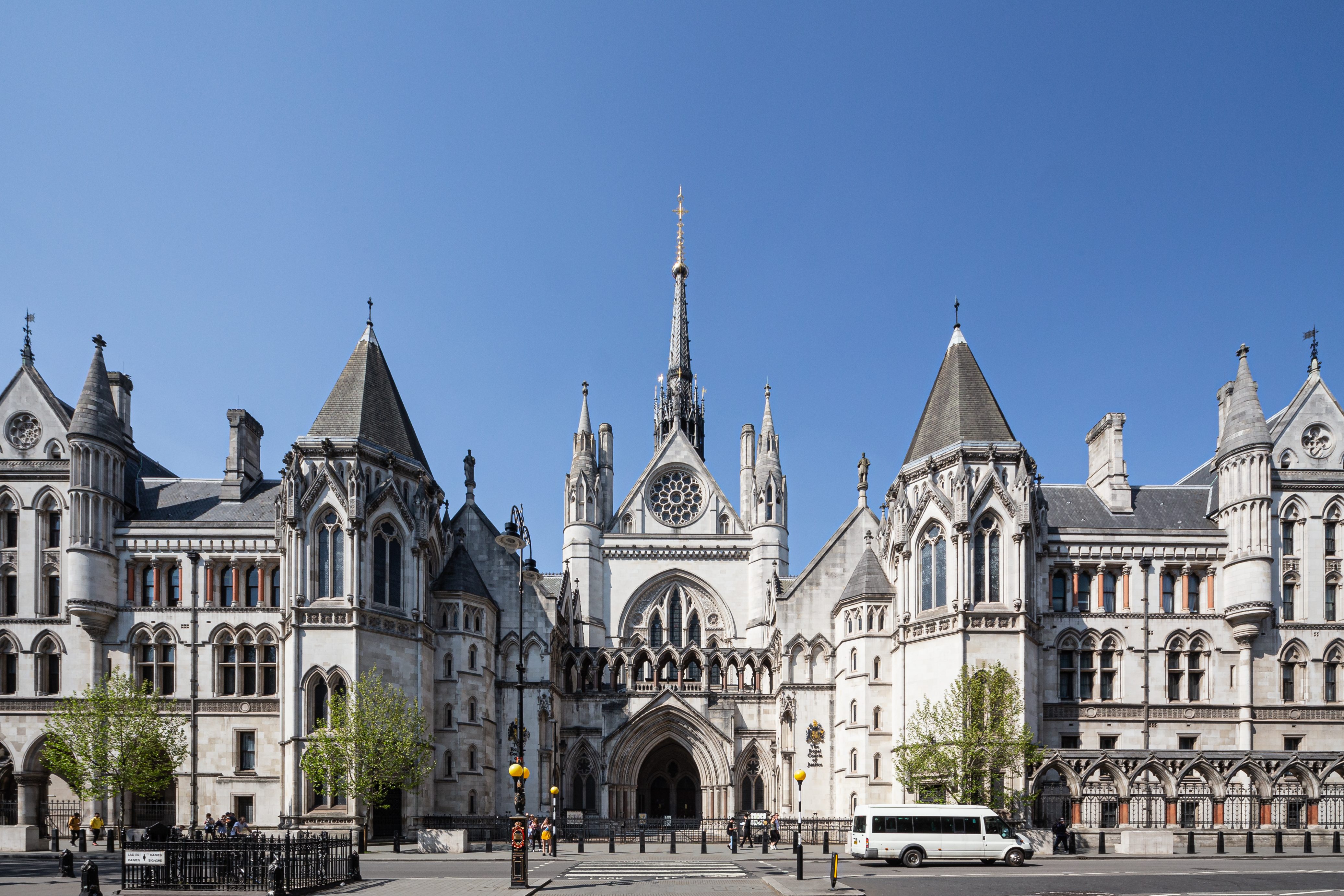
The October 12 judgment by Mr Justice Mark Turner does not decide who owns the bitcoin. It decides which country's law will answer that question — and the choice is worth billions. Under English law, victims who could trace their money into the coins might claim a share of the bitcoin at its current value, capturing the enormous appreciation since 2017. Under Chinese law, compensation is generally anchored to the principal and interest investors originally paid in — a far smaller number against losses of nearly 20 billion yuan, and one that would leave the appreciation to be fought over by governments rather than victims.
Justice Turner reasoned that the relevant damage occurred in China, the investors parted with their money in China, and the alleged fraudulent representations were made in China. Lawyers at Fieldfisher, representing some victims, have said they are seeking to appeal the governing-law ruling, and the UK Crown Prosecution Service has said further hearings will determine whether victims can prove an interest in the coins. A group of around 16,000 investors has also been reported to have won permission to challenge aspects of the UK plan for the assets — a reminder that the British track is nowhere near finished either.
Why this matters
This case is a stress test for a question cryptocurrency was supposed to make obsolete: when digital money crosses borders, whose law follows it? The coins never physically left a ledger, yet they are simultaneously the subject of a Chinese confiscation case, a British civil-recovery process, and private claims by more than 100,000 people. The answer will shape how police forces worldwide treat seized crypto — as evidence, as state revenue, or as property held in trust for victims — at exactly the moment when governments are building strategic bitcoin reserves and debating what to do with confiscated coins, an issue we examined in our coverage of bitcoin's rebound above $82,000.
There is a second, quieter lesson about scale. The fraud itself — roughly $5.7 billion raised, about $2.8 billion lost — would already rank among China's largest illegal-fundraising cases. But because the proceeds were converted into an asset that multiplied in value, the recovery fight is now larger than the original crime's proceeds. That inversion, where the seized asset outgrows the fraud, is new in financial crime, and courts have no settled playbook for it. Similar tracing problems are multiplying across the industry, from exchange hacks to supply-chain compromises like the Ledger–Cryptobilis supply-chain hack we covered this month.
Who wins, who loses — and what happens next
If the Tianjin confiscation succeeds and London accepts the Chinese track, victims would most plausibly be repaid principal-based amounts through a Chinese process, while the multi-billion-dollar appreciation becomes a negotiation between two states. If the appeal in London succeeds and English law is applied to at least some claims, a slice of investors could recover at today's bitcoin value — potentially multiples of what they put in — while others, in a Chinese-law process, recover far less for identical losses. That unevenness is the human core of the case, and it is why victim groups are litigating the choice-of-law question so hard.
The timetable is now concrete. The Tianjin notice period runs for six months from mid-October, taking the Chinese track into spring 2027 before any hearing on the merits. In London, further hearings on victims' property interests are expected, alongside the threatened appeal on governing law. A third track — large exchange and wallet hacks such as the Bitget hack — shows how often courts are now the final exchange where stolen crypto changes hands. For the 102,000 people who bought a guaranteed return in 2014, the only guarantee left is a long wait: the coins are frozen, the courts are moving, and the most valuable question in the case — who owns the upside of a fraud that accidentally became a fortune — remains unanswered.
Sources: CoinDesk (Oct 22, 2026); Unchained (Oct 22, 2026); The Block (UK High Court ruling); Tianjin No. 2 Intermediate People's Court notice via The Paper; Yicai Global.