China invites Katie Zacharia to visit: after the White House press secretary said China did not “even have proper toilets,” Foreign Ministry spokesperson Mao Ning told reporters on Friday that Zacharia was welcome to come and see China more often — a one-line reply, delivered while fighting back a smile, that landed hours before Zacharia was let go after seven days in the job.
Beijing / 'Come and see for yourself' — China's smiling answer to the toilets line, hours before Zacharia was out
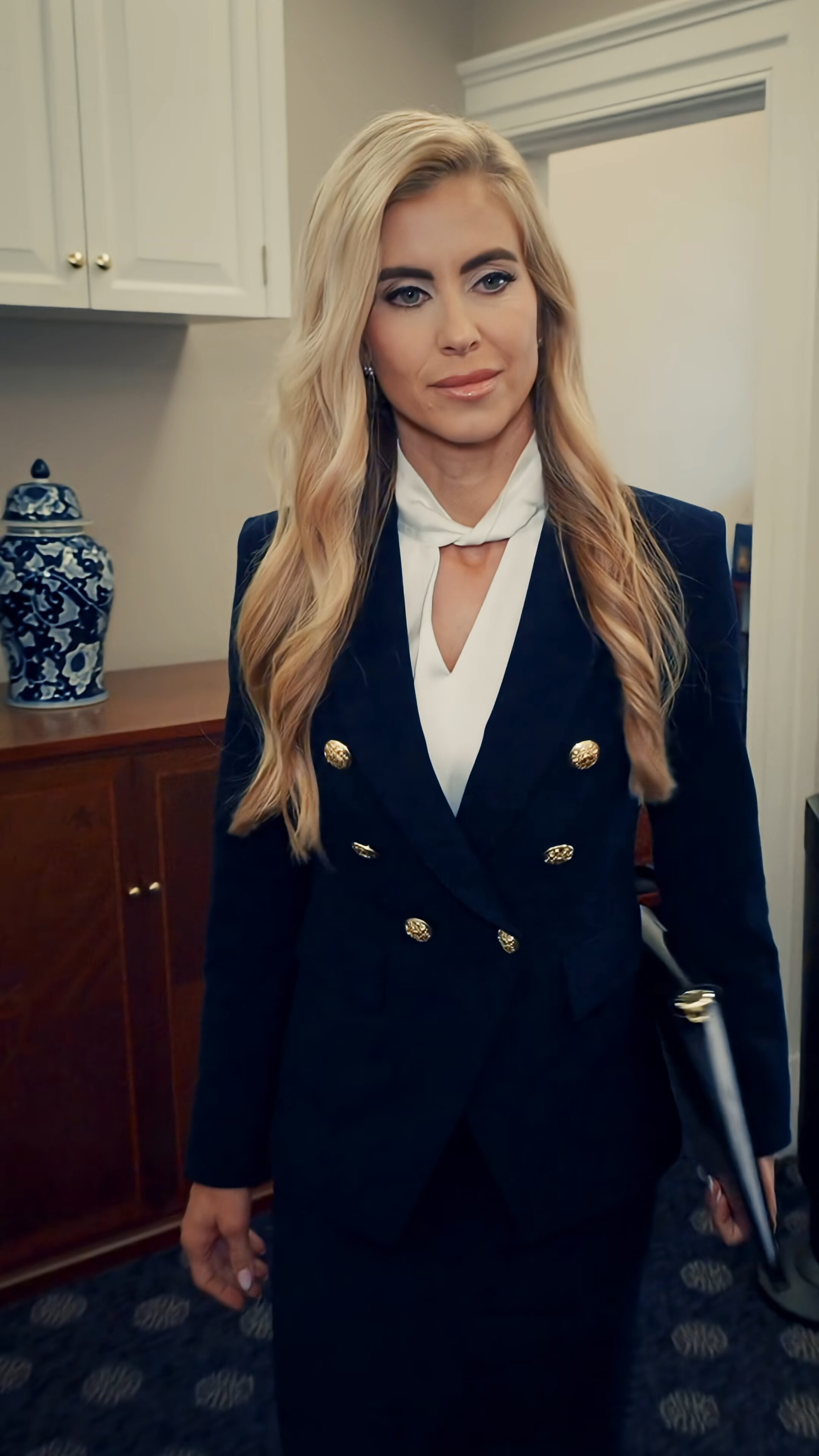
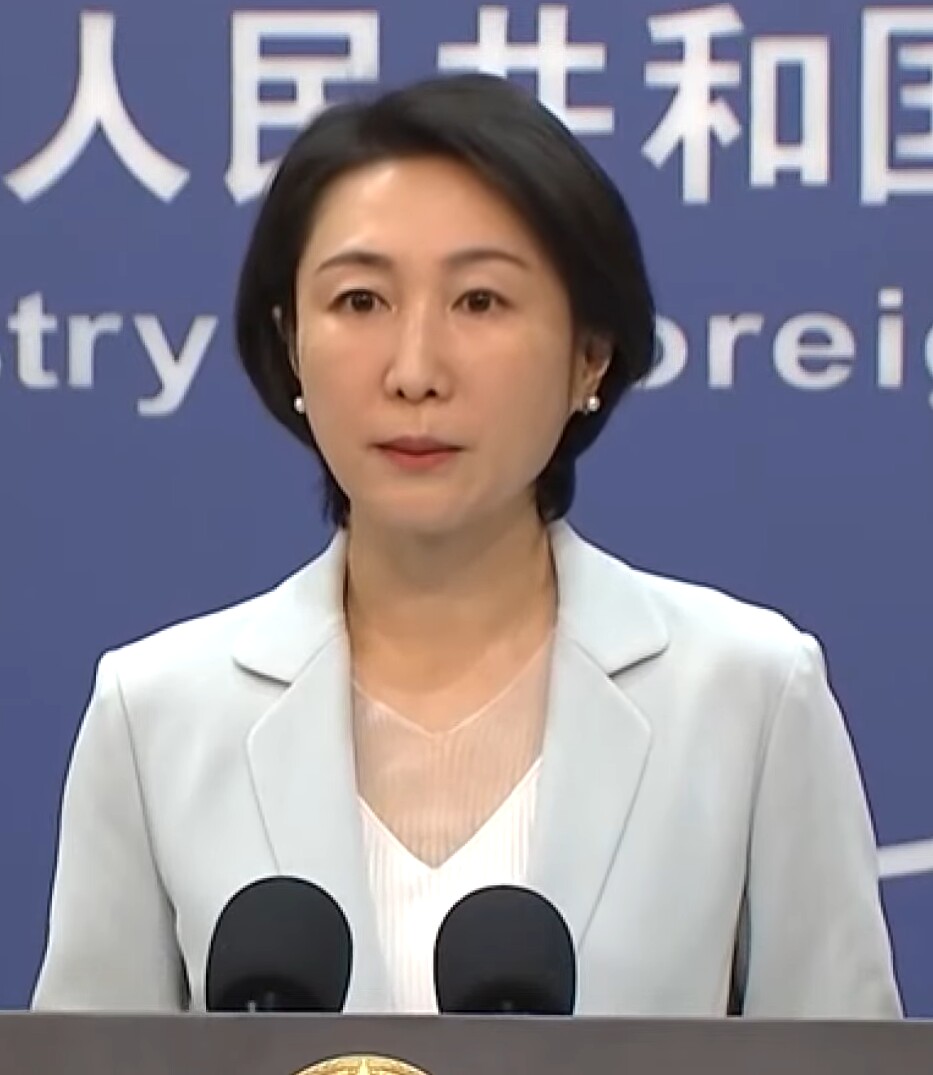
BEIJING — China has formally, publicly and with evident enjoyment invited Katie Zacharia to visit the country more often. The invitation came from the podium of the Chinese Foreign Ministry's daily briefing on Friday, after a reporter asked spokesperson Mao Ning about a remark Zacharia had made the previous day: that she had once doubted China's rise because the country did not “even have proper toilets.” Mao's answer was a single sentence. “We welcome her to visit China more often when she has the opportunity,” she said — fighting back a smile, according to AFP's account of the briefing. CNN rendered the same line in near-identical terms: “She's welcome to come and see China more often when she has the opportunity.” It was not a protest note, a summoned ambassador or a statement of “firm opposition” — the standard vocabulary of Beijing's diplomatic displeasure. It was something rarer and, for the Chinese internet, considerably funnier: an invitation.
What she actually said — and the decade she was describing
The remark came in a conversation with the podcaster Jack Posobiec, released on Thursday, in which Zacharia was discussing the political mood around the 2016 U.S. election — a moment, she recalled, when Americans were being told that the country's golden days were over and that China was the coming power. “We were all being told Hillary was going to win. The golden days or the glory days of America were over. That China was on the horizon,” she said, in the fuller account carried by SCMP. Then came the recollection that travelled: “I remember this very distinctly, having just come from China, thinking, how is China the next country on the horizon? They don't even have proper toilets.”
Two features of the remark matter for what happened next. It was retrospective — a decade-old impression, offered as an anecdote about how implausible China's rise had seemed to her at the time, rather than a claim about China today. And Zacharia was not speaking from guidebook knowledge: she had lived in China with her husband, as a White House official previously confirmed to CNN, and had worked in Beijing years earlier — so the line could be, and was, read in China not as tourist ignorance but as the considered verdict of someone who had actually been there. Remarks like hers are the kind governments usually ignore. Beijing chose not to, and the choice itself is part of the story.
Why Beijing answered with a quip instead of outrage
China's Foreign Ministry has a well-stocked shelf of responses to American criticism, most of them severe: accusations of Cold War thinking, of smearing China, of interfering in internal affairs. None of that machinery was switched on for Zacharia. A furious response would have elevated a podcast anecdote into a diplomatic incident. A smiling invitation did the opposite work: it positioned Beijing as the calm, confident party — secure enough in its development story to answer mockery with hospitality — and handed Chinese social media a punchline that needed no official amplification to spread.
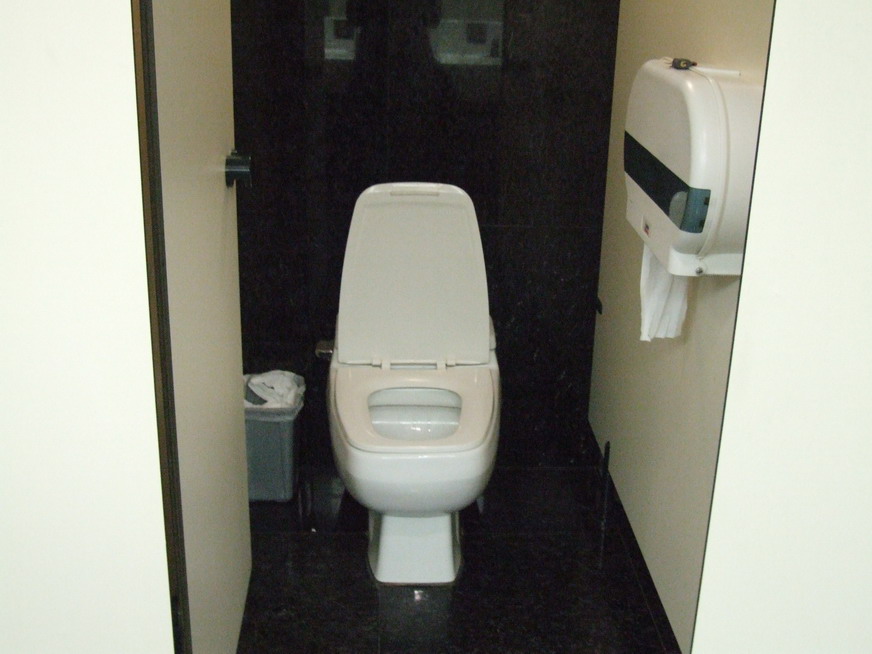
There was also a specific policy ghost in the room, whether or not anyone in the briefing hall named it: toilets are, in China, a subject the state has spent a decade and substantial money addressing. Beginning in 2015, Beijing ran a much-publicised national “toilet revolution,” upgrading public facilities at tourist sites, transport hubs and in cities and villages, precisely because poor sanitation had become a shorthand — at home as much as abroad — for the gap between China's wealth and its everyday infrastructure. An American official recycling the old shorthand in 2026 was therefore not just insulting; she was, from Beijing's vantage point, out of date. Mao's sentence made that argument without making it: come back, it said, and update your material.
It helped Beijing, too, that the remark's target was easy to defend. China is the world's second-largest economy; hundreds of millions of its people have been lifted out of poverty since reform and opening began in the late 1970s, as CNN noted in its report, even though development inequality between its biggest cities and its rural interior remains acute. Against that record, a bathroom jibe from a spokesperson already engulfed in a domestic credentials controversy was never going to require a heavyweight response. The smile was the message: this is not a country that needs to take offence.
The Weibo verdict: mockery, with a concession buried in it
On Weibo, China's X-like platform, the reaction ran largely along the lines Beijing's restraint invited. Many users called Zacharia “foolish,” according to CNN's summary of the response — the quote that defined the story's second day. But the thread was not unanimous nationalist outrage, and the detail that makes it worth reporting is the concession running through it: other users acknowledged that some toilets a decade ago — the period Zacharia was describing — were indeed lacking in standard. In other words, the Chinese internet's verdict was closer to “she is describing a China that has been deliberately left behind” than to “no such China ever existed.”
That split mirrors the way the story played in the United States, where the remark was received less as a foreign-policy position than as one more entry in the week's catalogue of Zacharia problems. Her defenders could fairly note that the sentence was a memory, not a policy. Critics treated it as a spokesperson for the president describing America's principal rival in the language of a traveller's complaint. Both readings were available in the original quote; Beijing's reply selected the second and answered it in the first's language — politely, as one would answer a guest.
The China chapter in her résumé
The biographical irony underneath the exchange is that China is not a place Zacharia visited once on a tour. According to her LinkedIn profile, as reported by CNN, she worked as an associate in the international practice team at Zhong Lun — one of China's largest law firms — in Beijing for nearly two years starting in 2011, and she lived in China with her husband. Her China years were, on paper, one of the substantive entries in the biography that had been under intense scrutiny all week, alongside the legal credentials she had presented and the bar exam she acknowledged on Thursday night's “Hannity” that she had not passed.
That scrutiny is the context in which SCMP placed the toilets remark: its account framed the China comments and the bar-exam questions together as her undoing — two stories about the gap between the résumé as presented and the record as checked, arriving in the same 48 hours. The remark did not, by itself, end her tenure; nothing in Friday's reporting suggests Beijing's response played any role in the White House's decision. But it completed a portrait the week's coverage had been assembling since her only briefing on Tuesday: a spokesperson whose own biography kept becoming the story.
The same day, the job ended
By Friday afternoon in Washington, the toilets exchange had been overtaken entirely. President Trump, speaking to reporters on the South Lawn, said he had privately urged Zacharia to reconsider whether the job was for her — “Honestly, if I were you, I'd reconsider” — and denied firing her when asked directly: “No, no. I want her to have a good life.” Officials then confirmed, in the varying language that has followed this story all week, that she was let go or transitioning out; CNN, citing advisers, reported that Trump fired her. She had been named on October 9, started on Monday, held one briefing on Tuesday, and was out on Friday — a seven-day tenure that ended the same day a foreign ministry on the other side of the Pacific was inviting her to travel. The full account of the departure, and of the credential questions that preceded it, is in our earlier report: Trump fires press secretary Katie Zacharia after seven days, advisers say. Zacharia herself had made no public statement about the China exchange as of Friday evening.
What one bathroom joke says about US–China rhetoric in 2026
Step back from the comedy and the exchange is a small, clean specimen of where the US–China argument now lives. The serious contest between the two countries — over trade, technology controls, Taiwan and military position in the Pacific — proceeds in communiqués and export licences. But the public argument increasingly runs through exactly this kind of artefact: a podcast clip, a briefing-room one-liner, a social-media pile-on. President Trump has repeatedly described his relationship with President Xi Jinping as a great one, and the two leaders have met twice this year, as AFP noted — yet the atmospherics of the relationship are now set as much by surrogates, podcasters and spokespersons as by summits. A press secretary is supposed to be the person who prevents that drift, the professional whose words are weighed precisely because they will be read abroad as her government's voice. The Zacharia week inverted the job: her unscripted words became the material foreign governments worked with, and the response — mild, amused, devastatingly quotable — demonstrated the working principle of modern information diplomacy. Beijing did not need to rebut the claim. It needed only to be seen not minding it.
What happens next
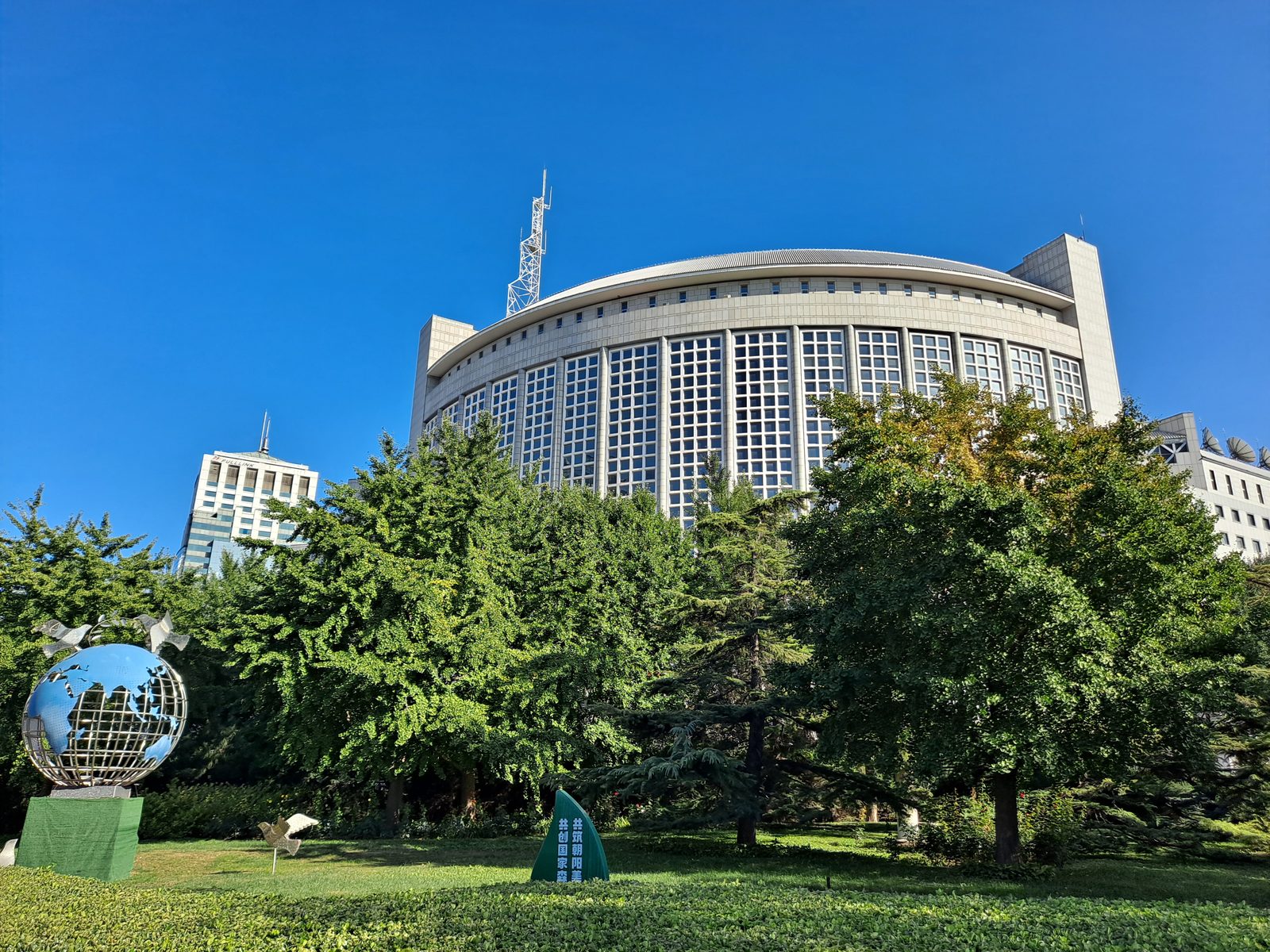
Three modest things are worth watching. The first is whether Zacharia answers the invitation in any form — a joke of her own, an actual trip, or silence; a visit would restart the story instantly. The second is whether the White House treats the episode as closed: no successor had been named as of Friday, and the next spokesperson's early exchanges will be read against this week's. The third is whether Beijing reuses the technique. The smiling invitation cost China nothing, travelled further than any protest would have, and left its author looking like the adult in the room. In a rivalry increasingly fought in clips, expect to see it again — the next time an American official reaches for a decade-old shorthand about what China is, the answer from the blue-walled briefing room in Beijing is likely to be another invitation to come and look.
Related coverage: Trump fires press secretary Katie Zacharia after seven days, advisers say · China tells Israel to stop and reverse West Bank settlements, Wang Yi tells Herzog
Sources
CNN, October 16, 2026 — China invites Katie Zacharia to visit again after she claims nation lacks “proper toilets” (Zacharia's Posobiec remarks; Mao Ning's reply; the Weibo reaction; her Zhong Lun listing and time living in China). AFP, October 16, 2026 — China tells Trump's press secretary to visit “more often” after toilet comments (Mao Ning “fighting back a smile”; Trump's stated relationship with Xi Jinping). SCMP, October 17, 2026 — Trump press secretary Katie Zacharia's bar exam claims and China remarks prove her undoing (the fuller 2016 recollection; the same-day departure and officials' characterisations of it).