China intelligence Iran targeting US bases
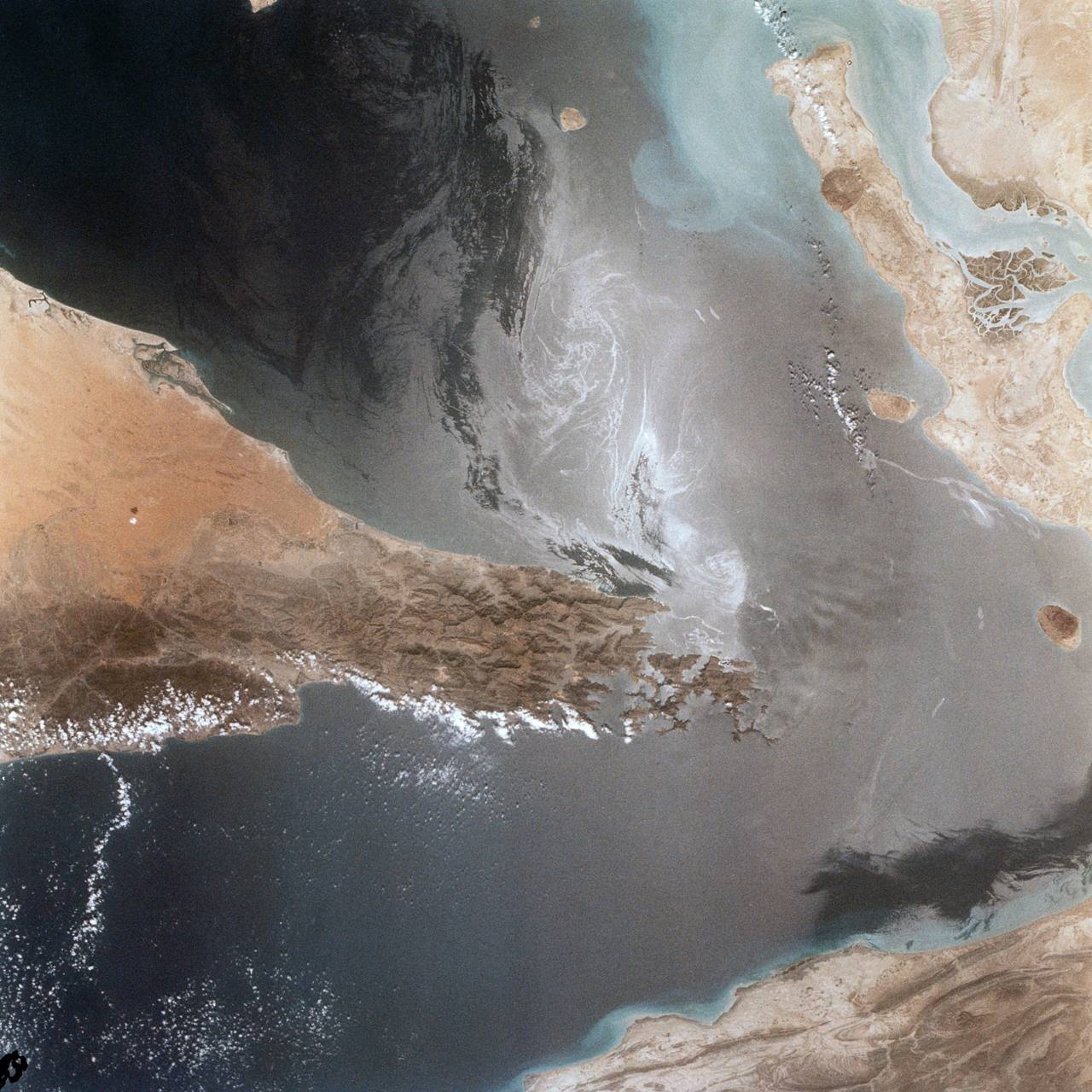
Chinese groups supplied satellite imagery and other intelligence that helped Iran threaten commercial shipping in the Strait of Hormuz and launch more precise strikes on U.S. military bases across the Middle East, according to a CNN exclusive published September 25 and based on four people familiar with recent U.S. intelligence assessments. The reported China intelligence Iran targeting US bases channel would help explain one of the conflict's most consequential changes: Iranian weapons that had often been associated with volume and disruption began landing with greater accuracy against fixed American positions and moving ships.
The assessments do not establish that President Xi Jinping personally ordered the support, that China's central government directed every transfer, or that every recent Iranian success depended on Chinese data. Officials described disagreement over the scope of the help, while a fifth source told CNN that more recent reporting suggested Beijing would prefer the disruptions in the strait to end. Those limits matter. This is an intelligence finding reported through anonymous sources, not a publicly released document or a jointly acknowledged state program.
Even with those caveats, the strategic implication is substantial. Satellite intelligence can make relatively cheap weapons behave like a more sophisticated force. A drone that cannot maneuver after launch may still hit a ship if its operator knows where that vessel will be when the drone arrives. A missile need not carry a new generation of guidance hardware if high-quality coordinates and timing narrow its problem before launch. The reported assistance therefore sits at the intersection of three contests at once: the U.S.–Iran war, the struggle over Hormuz, and Washington's attempt to keep a broader U.S.–China rivalry from becoming direct support for attacks on American troops.
What the intelligence assessments found
Chinese satellite imagery and the July strike in Jordan
The sharpest example is the US base Jordan July strike Iran case. Three American service members were killed when Iran struck a U.S. base in Jordan in July. American officials assessed that the attack was carried out with a degree of precision Iran was unlikely to have achieved without outside imagery, according to the reporting. The Wall Street Journal first reported that Iran used Chinese satellite data in that attack, making the phrase Wall Street Journal Iran China satellite more than a search term: it describes the first public indication that foreign geospatial information may have converted a vulnerable base into a precisely located target.
Coordinates alone do not launch a weapon. Target selection, command approval, launch crews, route planning, communications and weapon performance remain Iranian responsibilities. Russian support and Iran's own accumulated combat experience were also cited as factors in improved accuracy. But modern targeting is a chain, and remote-sensing information can strengthen the chain at the moment that matters most: before a weapon leaves the launcher. If an adversary's operating area, layout, active positions or recent changes can be seen clearly, planners can allocate weapons more efficiently and aim at assets rather than merely at compounds.
The Pentagon has said Iranian attacks forced the United States to disperse personnel and assets. Dispersal is a rational defense against precise targeting, yet it imposes costs. Aircraft, air defenses, fuel, maintenance crews and command functions become harder to protect and coordinate when they are spread across more sites. The reported intelligence support therefore affects the campaign even when a strike misses: it changes where American forces can safely concentrate and how much defensive effort is needed to sustain them.
Iran Strait of Hormuz ship targeting
The maritime finding is operationally different but strategically connected. Chinese geospatial data reportedly improved Iran's ability to track vessels moving through the strait, increasing the chance that drones and missiles could arrive when a ship was inside their effective engagement window. Two sources told CNN the data allowed Iran to use unsophisticated heat-seeking drones that cannot maneuver in midair by helping planners time launches more accurately.
That is a revealing technical detail. It suggests the advantage was not necessarily a revolutionary new weapon but a better estimate of where the target would be. A commercial ship in a constrained waterway follows a more predictable path than an aircraft or maneuvering warship in open ocean. Combine recent location data with speed, heading and a narrow transit corridor, and the firing solution becomes easier. Good information can compensate for limited onboard intelligence.
This is why Iran Strait of Hormuz ship targeting has consequences beyond the damage caused by any single impact. Insurers and shipping companies price probability. If Iranian launches appear more likely to connect with moving vessels, even a modest improvement in hit odds raises war-risk premiums, encourages rerouting and makes crews and operators less willing to enter the waterway. The economic weapon is not only the drone; it is the credible threat that the drone can find what it is sent toward.
What the assessments do not settle
Officials reportedly disagree about whether the support came from Chinese entities acting with direction from Beijing, with tacit permission, or with enough autonomy to preserve deniability. The distinction is not semantic. State direction would make the assistance part of Chinese policy; tolerance would raise questions about enforcement and political signaling; unauthorized commercial or quasi-commercial transfers would make export controls, licensing and corporate pressure more relevant than military retaliation.
The assessments also sit alongside evidence pointing in another direction. A fifth source said recent reporting suggests China would like the strait disruptions to stop. Beijing is a major energy importer and has little economic interest in an indefinite shock to Gulf shipping. It can value a relationship with Tehran, oppose U.S. pressure and still prefer that Iran not close the oil route on which China depends. Those interests are uncomfortable rather than contradictory—and they help explain why intelligence support could be useful to Beijing as leverage without implying support for every Iranian objective.
Why this matters: precision changes the price of deterrence
For months, analysts have asked why Iran precision strikes US military bases appeared to improve so quickly. The reported intelligence channel offers a plausible part of the answer. Better satellite coverage can reduce uncertainty about where equipment is parked, which parts of a base are occupied, when a ship will cross a chosen point and whether a previous attack caused units to relocate. It does not eliminate uncertainty, but it shrinks it enough to make cheaper weapons more effective.
The equation is asymmetric: inexpensive drone plus high-quality targeting data can impose a defensive bill measured in costly interceptors, dispersed operations and interrupted shipping. Iran does not need to upgrade every airframe with advanced navigation if an external intelligence feed improves pre-launch timing. That allows Tehran to preserve scarce high-end weapons for harder targets while using simpler systems to keep bases and shipping under pressure.
Hormuz magnifies that leverage. Roughly one-fifth of globally traded oil moves through the strait, with the task's cited data placing daily flows around 21 million barrels. An intelligence improvement that increases the perceived danger to tankers can therefore influence global oil prices, freight contracts and insurance markets without physically stopping every ship. Markets react to expected disruption, not only verified losses.
For U.S. forces, the danger is escalation by attrition. A commander can absorb near misses and intercept routine attacks, but a sequence of accurate strikes that kills personnel or damages high-value assets increases pressure for retaliation. The July deaths in Jordan are the central warning. Better targeting does not just improve Iran's battlefield performance; it shortens the political distance between harassment and a U.S. decision to widen the war.
Trump draws a line with Xi
The warning delivered before and during the state visit
U.S. Ambassador to China David Perdue told CNBC on Friday that Washington informed Beijing weeks ago that any assistance to Iran—“whether it be direct or indirect, whether it be intelligence or parts or military equipment”—was “totally unacceptable.” The phrase captures the administration's effort to deny China a safe middle ground between openly arming Iran and supplying inputs that make Iranian weapons more dangerous.
President Donald Trump repeated the warning directly to Xi during their Thursday White House meeting, Perdue said, part of Xi's state visit to Washington. Trump confirmed to reporters Friday that Iran was discussed. “We did,” he said, before adding, “I think we're going to do great” on Hormuz. The Trump Xi meeting Iran warning thus moved from diplomatic messaging into a presidential conversation, raising the cost for Beijing if the assistance continues and U.S. intelligence produces stronger attribution.
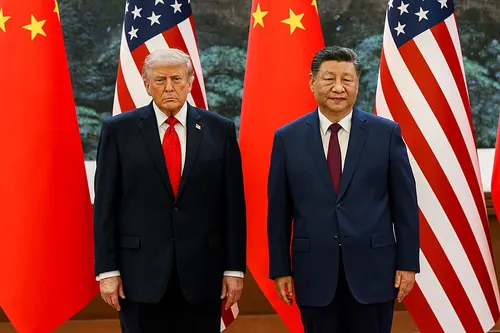
Perdue went further in an interview with Fox News, saying Beijing assured Washington on Thursday that it would cease such aid. He said the United States had “seen movement already” and that China had “pulled some things down.” The public reporting did not identify what was removed, by whom, from where or for how long. The claim is evidence of active diplomacy, not yet proof that every intelligence channel has closed.
Perdue also acknowledged that Washington has no “direct evidence” China helped keep the strait closed, describing the support instead as “indirect.” That qualification protects an important distinction. Intelligence that helps Iran track ships can contribute to the coercive environment around Hormuz without showing that Beijing planned the closure or endorsed Tehran's political conditions for reopening.
Secretary of State Marco Rubio has separately said nothing China has done has changed the conflict's trajectory. That is not necessarily inconsistent with the intelligence report: tactical assistance can increase accuracy and casualties without deciding the war. But the contrast reveals a messaging tension. Perdue portrays Chinese help as unacceptable enough to require a presidential warning, while Rubio argues it has not altered the strategic direction. Washington is trying to deter further assistance without crediting Beijing with decisive power over events.
What the numbers imply
Three American deaths. The July strike in Jordan is the human and political center of the story. Three U.S. service members were killed, and officials reportedly judged the precision beyond Iran's unaided capability. If Chinese-origin imagery materially enabled that strike, the question for Washington shifts from general concern about dual-use technology to whether foreign support contributed to American fatalities.
More than 10 missiles, about 20 drones and roughly 60 struck targets. During one recent strait escort operation, U.S. forces intercepted more than 10 Iranian missiles, shot down approximately 20 drones and struck about 60 targets. Those figures show the scale of defensive work required to move through a narrow corridor under threat. They also show why a small improvement in Iranian hit probability matters: the United States can defeat many incoming systems and still face unacceptable risk if the remainder are better timed.
About 90% of Iran's oil exports. China buys roughly nine-tenths of Iran's exported oil, according to the cited reporting. That economic lifeline is separate from the intelligence allegation but central to the relationship. Beijing has leverage because its purchases sustain revenue; Tehran has leverage because it can threaten a route critical to China's broader energy supply. The result is a partnership with real mutual value and real points of friction.
About 21 million barrels a day. The strait's oil flow turns a regional targeting story into a global price story. Even when physical throughput continues, higher insurance premiums, naval escort requirements, delayed sailings and contingency stockpiling can lift costs. The market consequence of Chinese satellite imagery Iran is therefore not limited to the battlefield; it enters fuel prices and transport contracts through risk.
Who benefits, who loses, what critics say
Iran gains credibility and bargaining leverage
Iran benefits first if adversaries believe its weapons can strike selected bases and vessels rather than merely saturate an area. Credibility strengthens its hand in parallel negotiations over a phased agreement. Jared Kushner and Steve Witkoff are involved in a U.S.–Iran channel linked to Omani mediation, while a reported seven-day proposal would connect a Hormuz reopening to relief from the naval blockade, access to frozen funds and broader ceasefire terms. Our analysis of the U.S.–Iran phased deal centered on Hormuz examines the structure and risks of that bargain.
Better targeting gives Tehran a bargaining asset even if it pauses attacks. The implicit message is that renewed disruption could be more effective than before. That leverage also explains why Iran's refusal to offer nuclear concessions matters to the same negotiation. Our reporting on Iran's no-concessions position and conditions for reopening Hormuz shows how narrow the diplomatic opening remains.
China gains influence at deniable distance
China can gain influence without entering the war openly. If Iranian officials believe access to Chinese data improves their military position, Beijing becomes more important to Tehran. If Washington believes Beijing can switch that support off, China becomes more important to the United States as well. That is the appeal of China indirect support Iran: influence can rise while direct responsibility remains contested.
But deniability is not the same as immunity. If U.S. officials conclude the channel contributed to American deaths, pressure could move from private warnings to sanctions, export controls or penalties against named Chinese entities. That would add Beijing Tehran intelligence cooperation to an already crowded U.S.–China agenda of trade, technology and Taiwan.
The United States and Gulf governments face harder choices
American bases become more exposed when routine movements can be observed and converted into targeting. The United States can disperse, conceal and harden, but each defensive measure costs money and slows operations. Gulf governments face a parallel problem: they depend on U.S. protection and maritime access while trying to avoid becoming platforms for an expanding conflict.
That divide is already visible. Saudi Arabia and the United Arab Emirates have urged Trump to maintain pressure on Iran, while Qatar and Oman favor a negotiating track. The Gulf split over sanctions, the blockade and Oman talks shows how states exposed to the same waterway can reach different conclusions about what reduces risk.
The case against overclaiming
The intelligence assessments are described by anonymous sources; the public cannot inspect their underlying collection, confidence levels or dissent. That is a normal feature of sensitive reporting, but it limits certainty. Officials themselves disagree about the scope of the assistance and whether the Chinese state ordered it or merely allowed Chinese groups to operate.
Beijing denies the allegation. Foreign Ministry spokesman Guo Jiakun said China opposed “exploiting the conflict to throw mud at China,” according to CNN. The Chinese Embassy in Washington did not respond to CNN's request for comment, and the Defense Department declined comment. A denial does not invalidate an intelligence assessment, but neither does anonymous sourcing eliminate the need for corroboration.
The exact path of the data also remains unknown publicly. It could involve commercial satellite providers, state-linked entities, intermediaries or a mix of sources. Without that chain, claims about Xi's personal role or a formal Chinese decision to target Americans would outrun the evidence. The responsible conclusion is narrower: U.S. assessments described in credible reporting attribute material targeting support to Chinese groups, and the White House considered the issue serious enough for Trump to warn Xi directly.
What happens next
Scenario one: Beijing curtails the support. If the assurances described by Perdue are implemented, Iran may lose access to some timely geospatial products or technical assistance. Accuracy could decline, particularly against moving ships, although Tehran would still retain Russian support, commercial data sources and combat experience. Washington would claim a diplomatic result; Beijing could present the step as protecting global shipping rather than yielding to U.S. pressure.
Scenario two: the channels persist. If support continues through state-linked or nominally private groups, the United States will face pressure to identify and sanction them. Another accurate strike that kills Americans could trigger retaliation not only against Iranian assets but against the support network. That would raise the risk of a U.S.–China confrontation growing out of a U.S.–Iran war neither Washington nor Beijing says it wants.
Scenario three: a Hormuz bargain reduces the immediate value of targeting. The reported seven-day proposal could reopen the strait as part of a wider phased deal. If attacks and escorts pause, the intelligence channel becomes less urgent operationally while remaining important politically. The dispute would then move into verification: whether China has actually halted assistance, whether Iran retained usable data and whether either side can prove a violation without exposing intelligence sources.
The Xi Jinping Washington visit Iran discussion adds a new fault line to trade talks already carrying substantial economic stakes. Trump and Xi can reach a limited understanding on Iran while disagreeing elsewhere, but enforcement will determine whether Thursday's assurance becomes policy or merely meeting-room language. Perdue's claim that the United States has already seen movement deserves scrutiny through observable changes in Iranian accuracy, shipping incidents and any penalties or restrictions announced by Beijing.
The immediate takeaway is not that China controls Iran's campaign or that every Iranian hit was designed in Beijing. It is that information can be as consequential as hardware. A satellite image, a recent vessel track or a well-timed coordinate can give a low-cost weapon strategic reach. Trump has now told Xi that Washington treats such help as unacceptable. The next attack—or the absence of one—will begin to show whether that warning changed the channel.
Sources
- CNN — U.S. assessments say Chinese intelligence support improved Iranian targeting
- Washington Examiner — Perdue says Xi assured Trump China would cease aid to Iran
- New York Post — U.S. ambassador details Trump's warning to Xi
- Wikimedia Commons — NASA STS-4 photograph of the Strait of Hormuz
- Wikimedia Commons — Official White House photograph of Donald Trump and Xi Jinping
Reporting note: The U.S. intelligence assessments described by CNN were not released publicly. Claims about Chinese support, the scope of Beijing's knowledge and any subsequent reduction in assistance are attributed to the named outlets and officials. The account distinguishes reported intelligence judgments from confirmed public evidence.