Gymnastics world championships results: China beat the United States by 0.233 points in the women’s team final in Rotterdam on Wednesday, October 21, ending a US winning streak that had run through seven straight world titles since 2011.
Sports / Gymnastics — the last routine of the night decided a title the United States had not lost since 2010, in the same city where it last lost it
How the final was won — on the 12th and last routine
Team finals in this format are arithmetic with nowhere to hide: three gymnasts per country count on each of the four apparatus, and the title went to the last two routines of the night. The United States went into the final rotation, floor exercise, trailing China by 2.2 points — a large gap, but a closable one, because in qualifying the Americans had outscored China on floor by 2.166 points, almost exactly the deficit they faced.
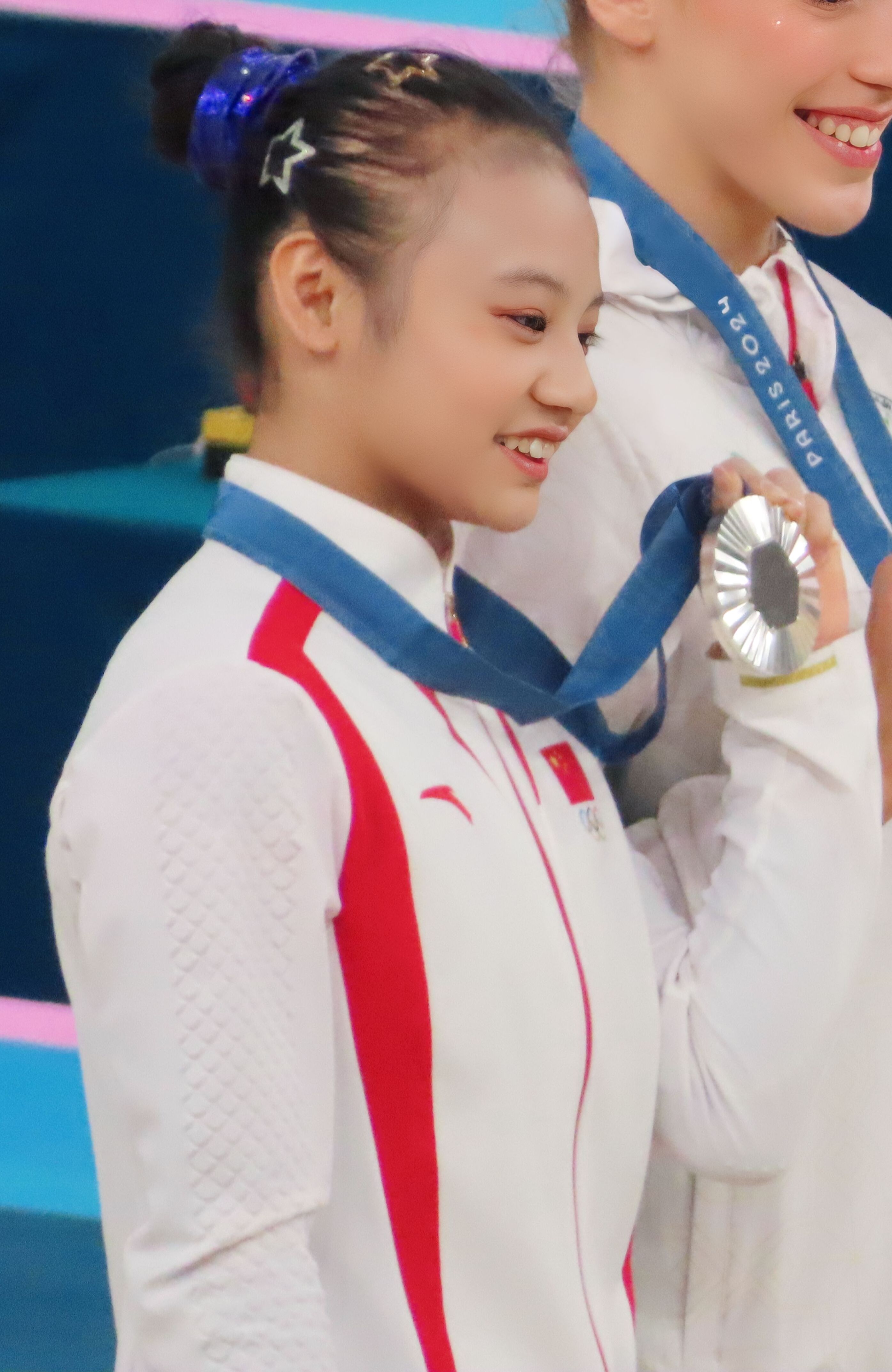
The chase nearly worked. Going into the 12th and last overall routine for each nation, the US trailed by eight tenths of a point, and the match-up favoured them on paper: America’s last gymnast, Reese Esponda, had posted the top floor score in qualifying, 0.833 more than China’s last gymnast, Qiu Qiyuan. In the final, the small margins flipped. Esponda scored slightly lower than she had in qualifying, Qiu scored slightly higher — 12.833, comfortably above the 12.6 she needed — and the title was China’s by 0.233. When Qiu’s score was announced, the Chinese team shouted and jumped, USA Today’s on-site report said, while the Americans were stoic, then moved away from the podium to huddle together.
The American scores that built their 165.531 tell the shape of their night. On vault: Bullock 14.133, Pease 14.200, Blakely 14.300. On uneven bars: Bullock 14.000, Pease 14.366, Blakely 14.400. On balance beam, the apparatus where finals are so often lost: Caylor 12.333, Pease 13.600, Blakely 13.266 — Caylor’s 12.333 was the one visibly low counting score in the US total. On floor: Caylor 13.600, Pease 13.966, Esponda 13.400. China, by the specialist-site account, hit all 12 of its routines. In a final decided by less than a quarter of a point, a single low beam score and a tenth here or there on floor were the whole story.
The streak that ended — and why Rotterdam is the pointed detail
The United States had won the previous seven world team titles, dating to 2011, and — this is the part that explains why Wednesday felt like an era turning rather than a bad night — every one of those seven wins was by at least two points. The US women did not squeak through their reign; they dominated it, to the point where the team final at worlds had become close to a coronation with a contest for silver underneath it.
The last time the Americans did not win was 2010, when Russia beat them by 0.201 points. That final was also in Rotterdam. Sixteen years later, in the same city, China’s 0.233 margin became, NBC Sports noted, the second-smallest winning margin since the perfect-10 scoring system was replaced in 2006 — behind only that 2010 result. Two of the closest women’s team finals of the modern scoring era, both in Rotterdam, bookend the entire American streak: it began after a 0.201 loss there, and it ended with a 0.233 loss there.
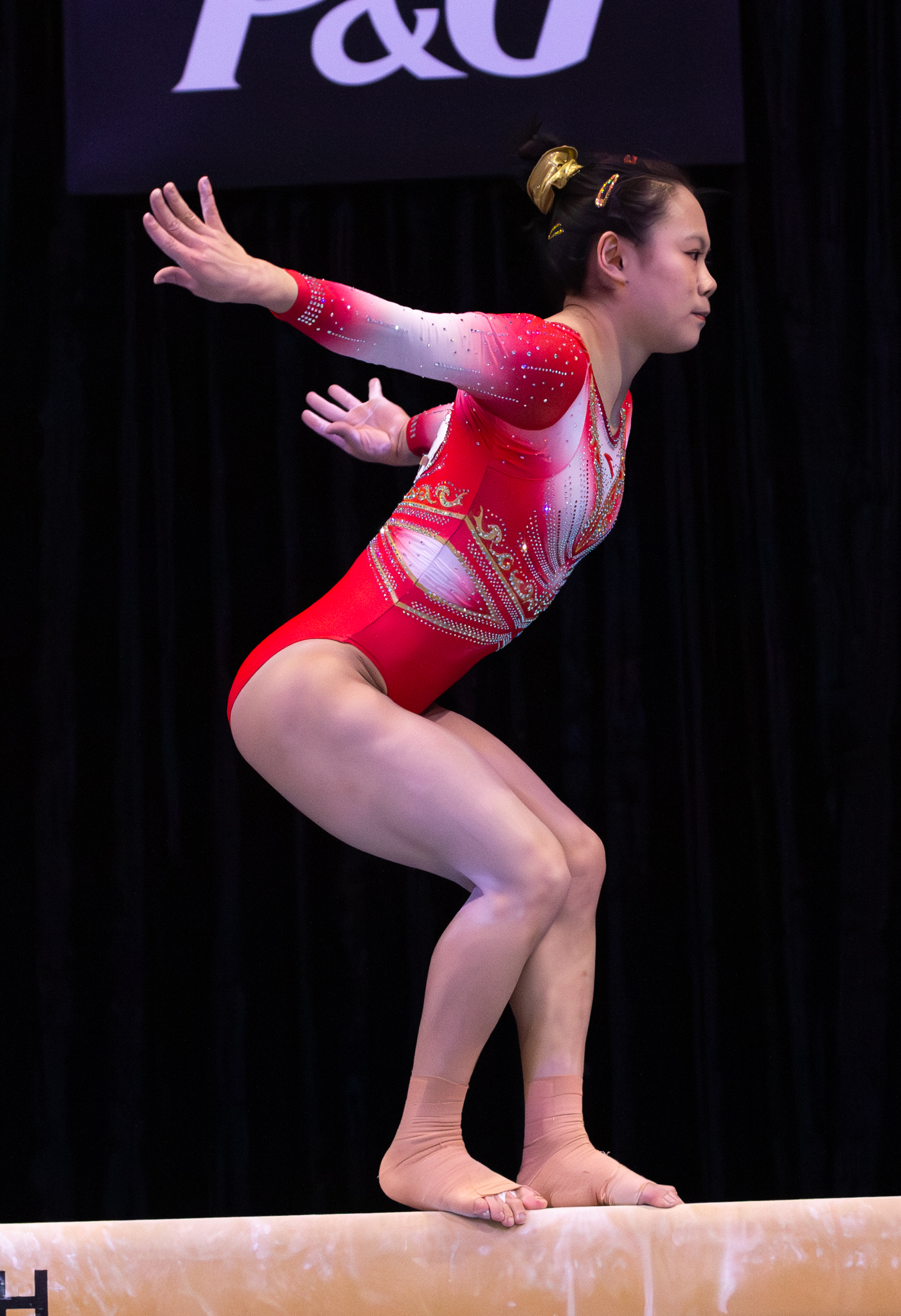
For China, the title is a return, not an arrival. NBC Sports put it plainly: this is China’s first global team title since it hosted the 2008 Beijing Olympics. A programme that has produced individual stars for years — Qiu herself is the 2023 world champion on uneven bars and the Paris 2024 Olympic silver medallist on that apparatus, and Zhang Qingying posted the highest beam score of qualifying, 15.100 — had not stood on top of a team podium at a global championship in 18 years, and had not reached an Olympic or world team podium at all since a bronze at the 2018 worlds. On Wednesday it qualified first, then won the final outright, beating the United States in both sessions.
Why this matters
The easy reading of Wednesday is “a young American team lost a close one.” It is also the accurate first sentence — but the deeper significance runs in three directions.
First, the competitive order of women’s gymnastics is genuinely open again for the first time in a decade and a half. A streak of seven straight titles, all by two points or more, suppresses an entire sport’s belief: rivals train for silver. China has now beaten the US in qualifying and in the final in the same week, Japan has a team medal for the first time in 60 years, and Russia — sixth in this final as the WG2 team, on 159.394 — is back in team competition. The road to Los Angeles 2028 no longer has a presumptive champion standing in the middle of it, which changes how every major programme plans, selects and takes risks on difficulty for the next two years.
Second, Wednesday was the first team-qualification checkpoint for LA 2028, and its rewards were concrete. The top three teams in Rotterdam — China, the United States and Japan — secured their team places at the home Olympics for the Americans automatically. The US silver therefore comes with the one prize that matters most structurally: the team is going to Los Angeles, with two years to rebuild around the gymnasts who were blooded here and the stars who were missing here.
Third, the result is a selection story as much as a performance story. The United States contested a world team final with zero gymnasts who had competed at an Olympics — something that had not happened since 2011, the year the streak began. Blakely was the only team member who had previously competed in a world team event. That is not an excuse the Americans have offered, and this article does not offer it for them; China won by hitting 12 of 12 while the US counted a 12.333 on beam. But it is the context that makes the 0.233 margin cut both ways: the champions needed their opponent to be at its most inexperienced in 15 years to win by less than a quarter of a point, and the deposed champions, at their most inexperienced in 15 years, still came within one routine of keeping the crown.
The US team that nearly did it — and the one that was missing
Hezly Rivera’s absence hangs over the American account because of who she is: the youngest US athlete across all sports at the Paris Olympics, at 16, and the US national all-around champion in 2025 and 2026. She made this world team, travelled to Rotterdam, and withdrew the day before qualifying after dealing with left ankle pain the previous week. NBC Sports assessed that a healthy Rivera “could make a significant difference” when the team event returns at the 2027 worlds in Chengdu, China.
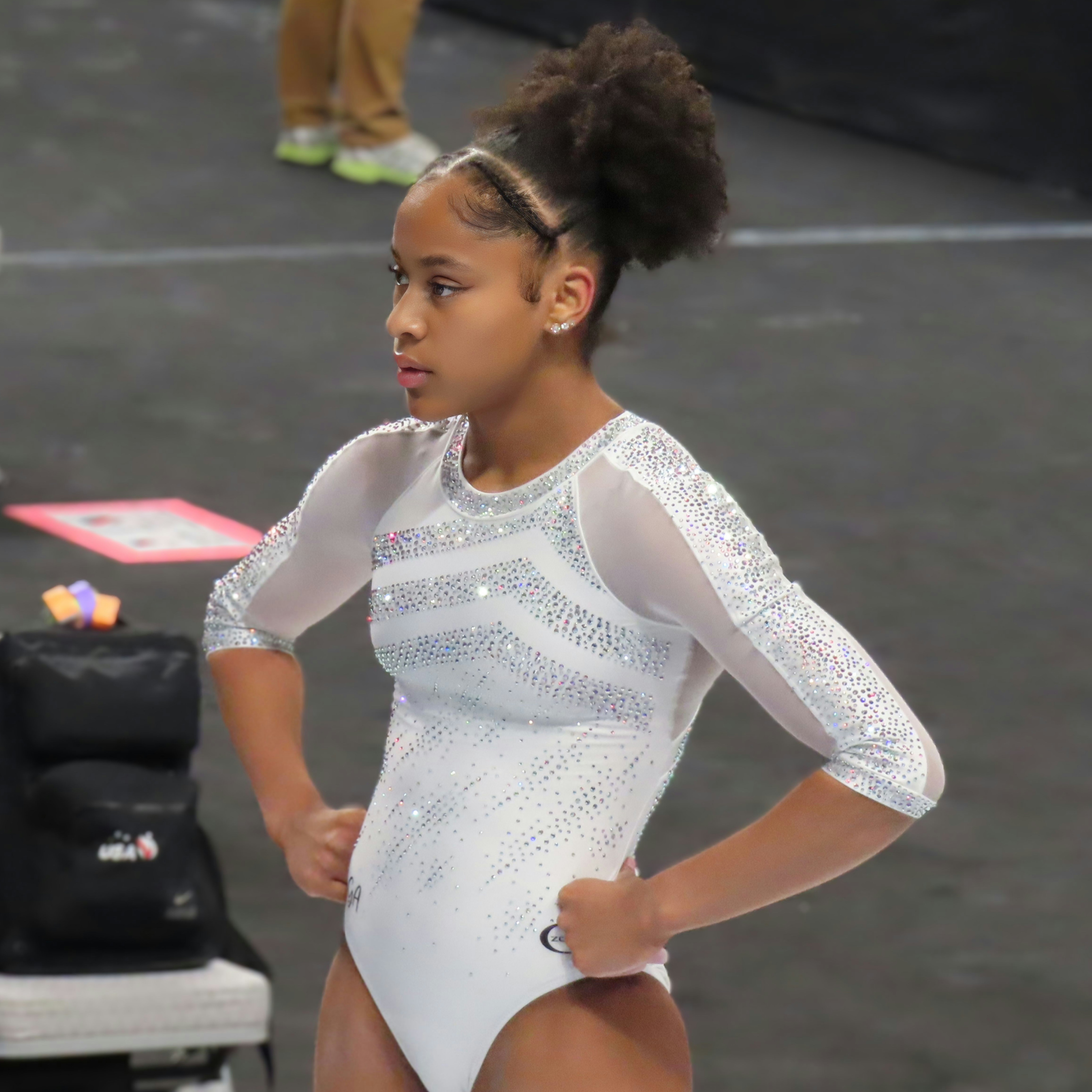
The five who competed leave Rotterdam with real credentials, not just a silver medal. Blakely, in her fourth world championships and making her world all-around debut after an Achilles tear that cost her the 2024 Olympic Trials, qualified second into Friday’s all-around final, where Pease, a worlds rookie who qualified seventh, will join her. At least one US woman has reached the individual all-around podium at every Olympics and worlds since 2003 — a streak of 23 consecutive global championships that is now the next American mark on the line, on Friday.
The numbers, in context
The final standings, as reported by both wires on site: 1. China 165.764; 2. United States 165.531; 3. Japan 164.063; 4. France 161.130; 5. Brazil 159.730; 6. Russia (WG2) 159.394; 7. Italy 158.129; 8. Canada 158.096. Three comparisons give those figures their meaning. The gold-medal gap, 0.233, is less than the deduction for a single fall and smaller than any margin in any of the seven US title wins, all of which were by at least 2.000 — nearly nine times Wednesday’s gap. The silver-to-bronze gap, 1.468, shows the final was a two-team contest with a clear third. And qualifying had already foreshadowed the result almost exactly: China 164.996, the US 164.529 — a 0.467 gap that the final halved but did not reverse. The Americans closed on China between Sunday and Wednesday; they just ran out of routines, by one floor score.
Japan’s 60-year wait deserves its own line
Bronze medals are rarely the story of a final, but Japan’s is a genuine second headline. NBC Sports and USA Today agree it is Japan’s first Olympic or world women’s team medal in 60 years. In a week when the Japanese men won their team final — covered separately by Signal Post News from the same Rotterdam championships — Japan leaves the team events with gold and bronze and a qualified women’s team for Los Angeles. Of every programme at these championships, Japan’s is the one whose trajectory changed most across both team finals.
What happens next
The championships continue in Rotterdam: the men’s all-around final is Thursday, and the women’s all-around final, with Blakely and Pease carrying the 23-championship US podium streak, is Friday, followed by apparatus finals on Sunday local time. Beyond this week, the calendar writes the rematch in plain sight: a team event at the 2027 worlds in Chengdu — in China, where the new champions will defend at home and where a healthy Rivera is expected to change the American equation.
The returning-star question will run alongside it. Olympic gold medallists Suni Lee and Jordan Chiles have announced they will return to competition at some point, possibly in 2027, ahead of a bid for Los Angeles 2028; Jade Carey returned to elite gymnastics this season and was an alternate for this world team; and Simone Biles has not announced whether she will bid for a fourth Olympics. None of that guarantees the US reclaims the title — China’s young medallists in Rotterdam will be a year more experienced, too. What Wednesday settled is narrower and, for the sport, healthier: the title is contested again. The streak is over at seven, the margin that ended it was 0.233 points, and the last routine of the night was the one that did it.
Other reading
For another title decided late this week, see Como’s 4-1 Champions League win over Manchester United.
Sources
- USA Today, October 21, 2026 (Nancy Armour, on site in Rotterdam, live report updated 4:02 p.m. ET: final standings China 165.764 / USA 165.531 / Japan 164.063 and places 4-8; the last-routine sequence, Qiu needing better than 12.6 and scoring 12.833; the US apparatus scores by gymnast; seven straight US titles since 2011; last US non-win 2010, also in Rotterdam; the Chinese celebration and the American huddle).
- NBC Sports, October 21, 2026 (Nick Zaccardi, published 19:56 UTC: China first to beat the US at a worlds in 16 years; first Chinese global team title since the 2008 Beijing Olympics; all seven US wins by at least two points; 0.233 the second-smallest margin since 2006 after Russia’s 0.201 in 2010; the final-rotation arithmetic, 2.2-point US deficit entering floor and the Esponda-Qiu last-routine match-up; US roster with zero previous Olympic experience, first since 2011, Blakely the only prior world team member; Hezly Rivera’s withdrawal the day before qualifying with left ankle pain; Japan’s first Olympic/world women’s team medal in 60 years; 2027 Chengdu team event; Lee/Chiles announced returns, Carey as alternate, Biles unannounced; Blakely and Pease in Friday’s all-around final and the 23-championship US all-around podium streak since 2003).
- Rotterdam 2026 official championships site, October 2026 (qualification background: China topped women’s qualifying on 164.996 ahead of the United States on 164.529; Zhang Qingying’s 15.100, the highest balance beam score of qualifying; Qiu Qiyuan second on beam in qualifying on 14.966).
Accuracy note: the two on-site wires agree on the gold and silver totals (China 165.764, United States 165.531), the 0.233 margin, the standings order and the last-routine sequence. One specialist results blog rendered Japan’s bronze total as 164.064; both wires used 164.063, which is the figure carried here. China’s title is described as its first global team title since 2008 following NBC Sports; no claim is made here about the separate count of Chinese world-only versus Olympic team titles. All photographs are Wikimedia Commons file photos of the named gymnasts from earlier competitions, captioned as such; no photograph from the Rotterdam final itself is used or implied.