The Bleach anime finale arrived on Monday morning, and with it one of the longest goodbyes in modern pop culture finally ended. Episode 50 of Bleach: Thousand-Year Blood War – The Calamity, titled "Death & Strawberry," premiered at 8:30 a.m. Pacific Time on Hulu in the United States and Disney+ internationally, closing an anime run that began in October 2004 — twenty-two years, a ten-year cancellation, a comeback nobody was promised, and one of the most argued-about endings in manga history.
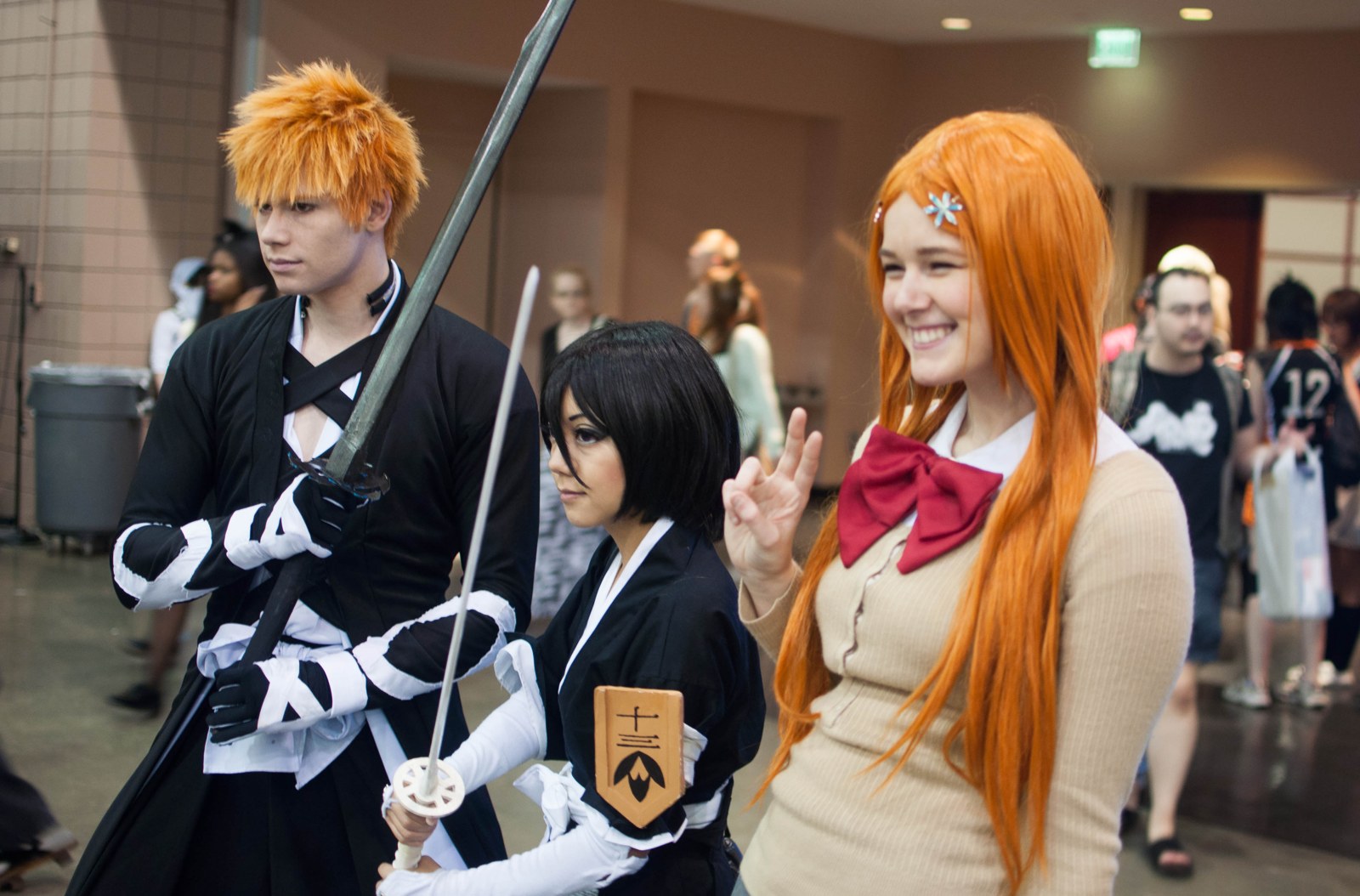
BBC Newsbeat spent the finale's release day with fans saying what the BBC called an "emotional" goodbye. Ruby Ebbs, 27, who started reading Bleach at the age of nine, told Newsbeat: "It is honestly my favourite series of all time; it has got me through a lot across my life. I've made so many friends through Bleach, it's been such a wonderful part of my life." Her friend Nicholas Thong, 30, who has a tattoo dedicated to the series, said it helped him make friends at school. The pair planned to watch the finale together — and, in Ruby's words, expected to be "crying together" as they did. "A lot of us are feeling quite emotional about it," she said.
What happened on Monday
The finale is the tenth and last episode of The Calamity, the fourth and final part of the Thousand-Year Blood War adaptation, which premiered on July 25, 2026. It follows episode 49, "The Blade," which brought Soul Reapers, Arrancars and Quincies together for the final battle and drew strong praise from fans for a stretch of almost entirely anime-original fighting built to give long-sidelined characters their payoffs. Episode 50 brings Ichigo Kurosaki's battle against Yhwach, the Quincy king, to its conclusion and adapts the manga's closing chapters, looking beyond the war's immediate aftermath toward the next generation — the epilogue framing readers have known since the manga ended in 2016.
The episode's title is the detail longtime fans noticed first. "Death & Strawberry" is a full-circle callback to "Death and the Strawberry," the title of the very first chapter of Tite Kubo's manga: the series ends, deliberately, where it began. After the episode aired, a special ending movie was released to commemorate the conclusion, Anime Corner reported, citing the official Bleach website. In Japan, the finale airs on TV Tokyo at midnight going into Tuesday, October 27 — the same ending, one timezone later. English-dub viewers wait longer: the dubbed versions of the final two episodes are scheduled for November 23 and November 30.
Why this matters
It would be easy to file this as a scheduling story — a popular show ends, fans post about it, everyone moves on. That undersells what Bleach is. Alongside One Piece and Naruto, Bleach formed the "Big Three" of Weekly Shonen Jump, the trio whose manga and anime adaptations the BBC credits with helping to fuel the global popularity of anime itself. The manga, serialized from 2001 to 2016 across 74 volumes, has sold more than 130 million copies worldwide, placing it among the best-selling manga series ever published. For a generation of viewers outside Japan, Ichigo — the orange-haired teenager who can see ghosts, in the BBC's summary — was not a niche interest. He was a first language.
That is why a finale can carry this kind of weight. The audience saying goodbye on Monday is not the audience that found a new show last year. It is, in large part, the audience that found Bleach at nine, twelve, fifteen years old and carried it through school, work and adult life — Ruby Ebbs's biography is the demographic's biography. A series that runs, in one form or another, across the whole span of a fan's growing up does not end the way other series end. It ends like a place closing.
How we got here: a 22-year arc with a ten-year hole in the middle
The strangest fact about Monday's finale is that it almost never happened. The original anime ran from 2004 to 2012 and produced four theatrical films — and then stopped, one story arc short. The manga's final arc, the Thousand-Year Blood War, was never animated. For a decade, Bleach was the Big Three member with no ending on screen: the story existed in print, finished in 2016, while the anime simply trailed off a generation of viewers had already invested eight years in.
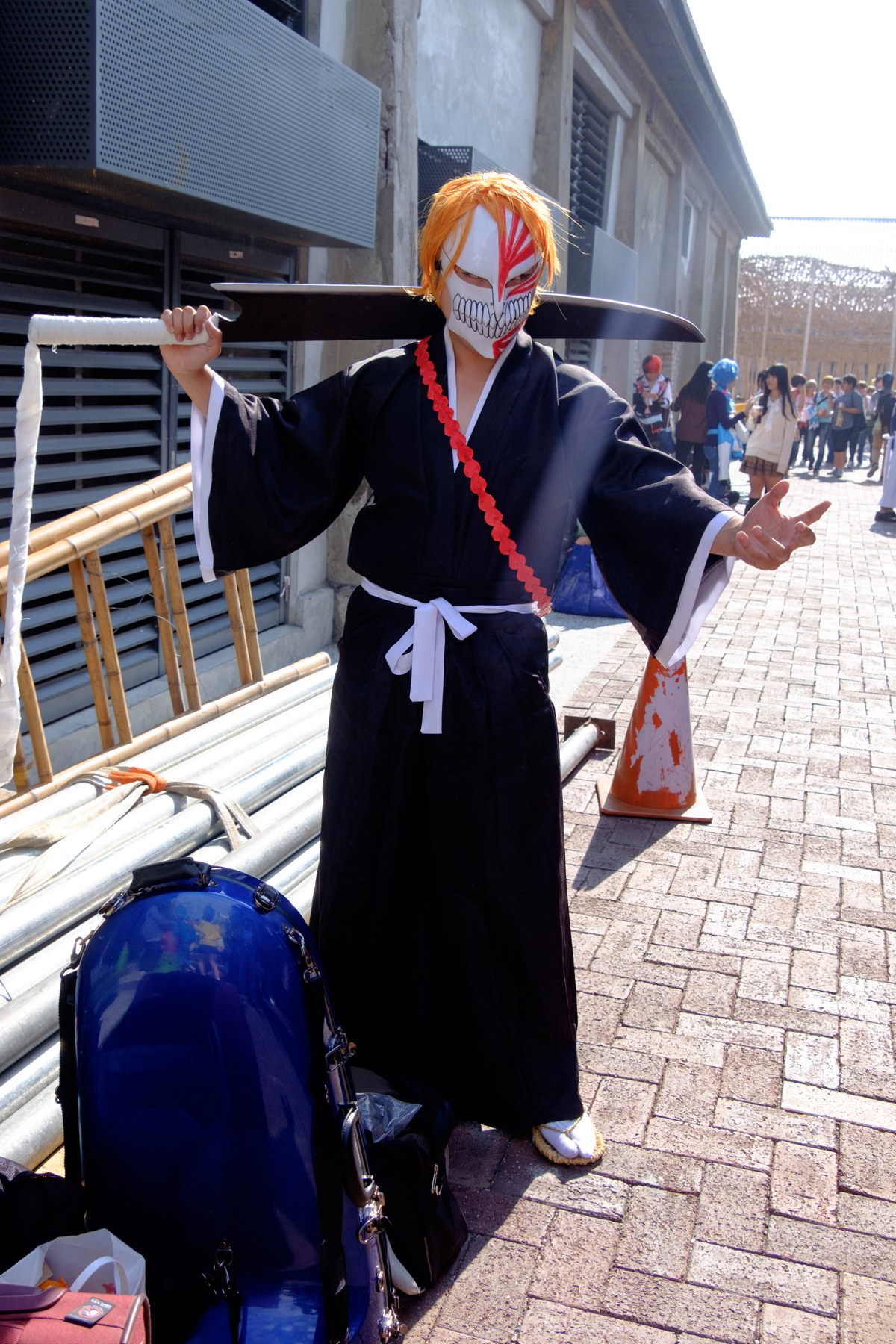
The return, when it came in 2022, was built differently. Thousand-Year Blood War arrived as a prestige production — made by Pierrot Films under chief series director Tomohisa Taguchi, with Kubo himself closely involved and supervising — and it did not simply transcribe the manga. Across its four parts it expanded the final arc with new fights, added scenes and extra lore, giving battles the manga had compressed the room they had always needed. Even the last stretch was protected: the final two episodes were delayed by about a month, to October 19 and October 26, specifically to give the production team more time to improve the quality of the closing episodes. A franchise that had once been cut off mid-story was now delaying its ending rather than rushing it. That choice is the whole comeback in miniature.
The ending fans argued about — and the second chance
There is a reason the anticipation around this finale was, in the BBC's words, "especially high," and a reason it was nervous as well as eager. The manga's original ending is the wound in Bleach's history: BBC Newsbeat notes that Kubo has overseen major changes to the comic arc's "disappointing" narrative — the word attached to the 2016 conclusion by years of fan argument — and that those changes have been positively received. Monday's finale was therefore never just an adaptation question. It was a verdict question: could the anime stick a landing that the manga, by broad fan consensus, had not?
The early evidence, from the episodes around it, is that the production understood the assignment. Episode 49's anime-original final battle — invented footage, not panel-for-panel transcription — was praised precisely for spending its new material on payoffs the manga had left standing around: forgotten team attacks completed, abandoned fighting stances finished, side characters given the decisive moments print never gave them. That is what a supervised second draft looks like. Kubo did not merely approve this ending; by every account of the production, he helped rewrite it. Few creators in any medium get to revise the most criticised chapter of their most famous work, at full budget, in front of the same audience that criticised it. Kubo just did.
Who wins, who loses, and what the numbers say
The winners are easy to name. Hulu, which holds the series in the United States, and Disney+, which carries it internationally, close out one of the most reliable catalogue draws in anime streaming with a finale event rather than a quiet expiry — the kind of ending that pulls lapsed subscribers back for a month. The franchise's owners keep a property with 130 million manga copies in circulation culturally current. And the fans, unusually, win twice: they get the ending, and they get it in the improved form they spent a decade asking for.
The more interesting loss is subtler. The Big Three era is now, formally, over as a living television phenomenon: Naruto's main run ended years ago, One Piece continues, and Bleach — the one that was cut down and then resurrected — has now completed the set by finishing last and, improbably, finishing well. Anime's centre of gravity has moved to newer franchises and shorter cycles, and the economics have moved with it; the fan-franchise arguments that fill the Asian pop culture coverage elsewhere on this site are the same argument in a different industry — who gets counted, and on whose terms. What Bleach's ending proves is that catalogue depth still has a market: a ten-year-old cancellation can be reversed when the underlying audience never actually left. Studios sitting on unfinished adaptations of beloved series will have noticed, the way Hollywood noticed when a finished franchise entry could still open like the Avengers encore run or a shelved comic-book film could become a box-office story of its own.
What happens next
The anime is over; the franchise is not pretending to be. Two dates are already on the calendar. Bleach has a confirmed panel at Jump Festa 2027 on December 20, the next natural moment for franchise news, and BLEACH FES. follows on February 27–28, 2027 at Makuhari Messe, bringing together fifteen voice actors including Masakazu Morita, the voice of Ichigo. A new game, Bleach: Mirrors High, with original character designs by Kubo, has already been trailed. And behind everything sits the door Kubo left open in 2021: the 73-page anniversary one-shot No Breaths From Hell, which teased a possible storyline involving Hell and has never been followed up. There is no confirmed continuation and no date, and Kubo has said he will not rush into new chapters — but a creator who spent four years perfecting an ending has earned the right to be believed when he says "not yet" instead of "never."
For now, though, the story that started with a teenager, a ghost and a first chapter called "Death and the Strawberry" has its last episode, titled almost exactly the same. Twenty-two years is a long time to wait for an ending. On the evidence of Monday morning, it was the delay — all of the delays — that made this one land.
Sources
BBC Newsbeat, "Popular anime series Bleach officially ends as fans say goodbye" (fan interviews with Ruby Ebbs and Nicholas Thong; Big Three framing; Kubo's changes to the manga ending), via bbc.co.uk. Anime Corner, "BLEACH Anime Ends 22-Year Run With Special Ending Movie After Thousand-Year Blood War Finale" (ending movie; official Bleach website as source; manga publication history and sales), animecorner.me. ScreenRant, "Bleach: Thousand-Year Blood War Final Episode Release Date & Time" (episode 50 title, release times and platforms, dub schedule, production delays, Jump Festa and BLEACH FES. dates), screenrant.com. Hypebeast, "'Bleach: Thousand-Year Blood War' Finale Info" (final trailer; The Calamity production credits), hypebeast.com. The Business Standard, "Bleach: The 22-year legacy of a generation-defining phenomenon" (legacy and cultural impact), tbsnews.net.