Bali fuel shortage
Bali Fuel Shortage Snarls the Island as Drivers Queue for Hours at Pertamina Stations
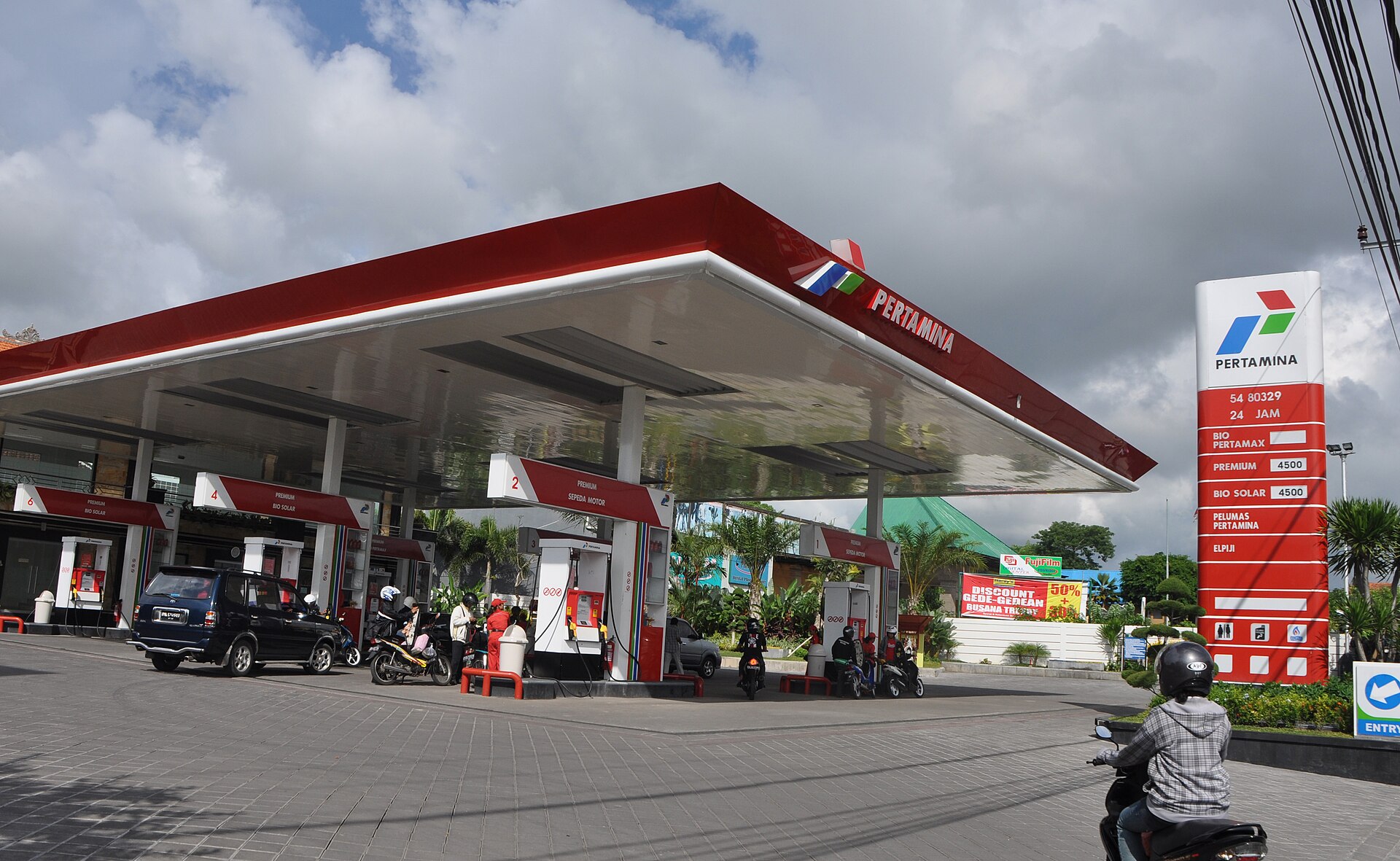
The Bali fuel shortage entered its third difficult day on Tuesday, with queues of cars and motorbikes still spilling out of petrol stations in Denpasar and Badung onto main roads during the morning rush, even as state fuel company Pertamina unloaded emergency tanker cargoes and promised that supply would normalise. The disruption — centred on Pertalite, Indonesia's subsidised petrol, and the higher-grade Pertamax — has idled ride-hailing drivers, stranded motorists whose tanks ran dry between stations, and reached into the tourist districts of Ubud and Uluwatu, according to Indonesian media and Russia's RIA Novosti news agency.
Track it live: Live oil price tracker
Why this matters
Bali runs on two wheels. The island's workers, delivery riders, taxi drivers and millions of annual visitors move overwhelmingly by motorbike and car, and Bali has no railway and limited public transport to fall back on. When petrol stations run dry, the island does not just slow down — for the motorcycle taxi drivers, market traders and hotel staff who fill up daily, it stops earning. That is why a logistics hiccup at two fuel terminals became a province-wide story within 48 hours, pulled the governor into an emergency meeting, and drew police onto station forecourts to direct traffic.
The episode also exposes a structural fragility. Bali produces no fuel itself: every litre arrives by sea from refineries on Java, most of it through just two terminals, Manggis in Karangasem and Sanggaran (Pesanggaran) in Denpasar. When a single tanker berths late, there is no pipeline and no neighbouring province to truck fuel in from at scale. Indonesia's national energy council has made exactly that point this week, arguing the island's distribution system needs enough redundancy that one or two late ships cannot empty its pumps.
What happened: a week of shrinking supply
The squeeze did not begin overnight. By Wednesday, October 7, station operators in South Kuta were reporting that their allocations from Pertamina's depots had been cut by roughly 30 to 40 per cent, leaving some stations out of particular fuels and one station in Jimbaran closed entirely, according to Bali Wake News, citing the South Kuta police chief, Commissioner Muhammad Said Husen, whose officers were monitoring stocks. Pertamina moved to reassure the island: a tanker carrying 18,000 kilolitres of Pertalite and 2,500 kilolitres of Pertamax left the Balongan refinery in West Java for the Manggis terminal, the state news agency Antara reported, and the company said queues were "gradually returning to normal."
They were not. Over the weekend the queues turned acute. On Monday, several stations in South Denpasar — including the station on Jalan Raya Sesetan — were closed with both Pertalite and Pertamax exhausted, detikBali reported. A driver named Pemara told reporters he had circled five stations in his Honda Freed before running completely dry in front of the shuttered Sesetan station: "I have just resigned myself to waiting here; what else can I do? The fuel is gone and I cannot drive anymore." In Jembrana regency, on the island's west coast, a station employee told detikBali that all stations in the area were affected and the word was that "the transport ship has not arrived yet" — with 14 stations hit, some residents were reduced to pushing stalled motorbikes. In Badung, drivers waited more than an hour, and queues were still forming at 10 p.m.
On Tuesday morning — after the first emergency cargo had supposedly been distributed — field reports described the lines as barely shorter. Bali Hot News recorded hundreds of vehicles backed up from stations on the Benoa port road toward Pesanggaran, at Puputan Renon and on Teuku Umar Barat in Denpasar from around 8 a.m., with congestion spilling into Abiansemal in Badung and queues also reported in Tabanan and Klungkung.
The people in the queue
For residents, the shortage is measured in lost work. "Where will I find gas for work tomorrow?" one resident, Werni, told detikBali. Heru, a motorcycle taxi driver waiting at the Sesetan station, said he had switched off his ride-hailing app rather than risk running dry mid-trip: "I am stopping for now to wait here because the fuel indicator is already blinking; I am afraid of stalling out on the road." Others who could afford it bought Pertamax Turbo — at roughly Rp 20,000 a litre, about $1.30 and close to double the subsidised Pertalite price — while many more found even roadside retail kiosks out of stock and pushed their vehicles home.
The disruption has not stayed in residential districts. RIA Novosti's correspondent reported shortages in the tourist areas of Uluwatu and Ubud, with members of Bali's Russian-speaking expatriate community saying petrol was unavailable at several major stations and through private sellers. One visitor, identified as Sergey, described being sent from one queued station to another and finally directed toward the north of the island. For an island whose economy is built on visitors moving between beaches, temples and hotels, fuel queues are not just an inconvenience — they are a reputational risk, which is precisely why Governor Wayan Koster told Pertamina that fuel management in Bali must be tightened "to maintain Bali's conduciveness in the eyes of the world."
Why officials say it happened
Pertamina and provincial officials attribute the crisis to a stack of logistics problems, not to any national shortage of fuel. Alam Kanda Winali, Pertamina's sales area manager for Bali, said the long queues were triggered by rising consumption combined with fuel tankers arriving late because of weather, and that demand then surged all at once when word spread that a ship had docked: drivers who feared running out arrived simultaneously at the stations that still had stock. The governor made the same point about panic buying, urging residents to stay calm and buy according to their needs — advice Pertamina repeated, along with its 135 hotline for service complaints.
The province's energy office points to a second, structural factor. Ida Bagus Setiawan, head of Bali's Manpower and Energy and Mineral Resources Agency (Disnaker ESDM), said the queues were caused by limited fuel quotas at the affected stations. Muhammad Kholid Syeirazi of the National Energy Council (DEN) told Bloomberg Technoz that late berthing at the Sanggaran terminal had knocked station-level availability down by roughly 30 to 40 per cent, and that the core failure was distribution reliability — while noting that the energy ministry maintains national stocks are comfortable at around 18 to 20 days of supply. In other words, on the official account, the fuel existed; it was in the wrong place, on the wrong day, and then everyone tried to buy it at once.
The fix: 26,200 kilolitres by sea
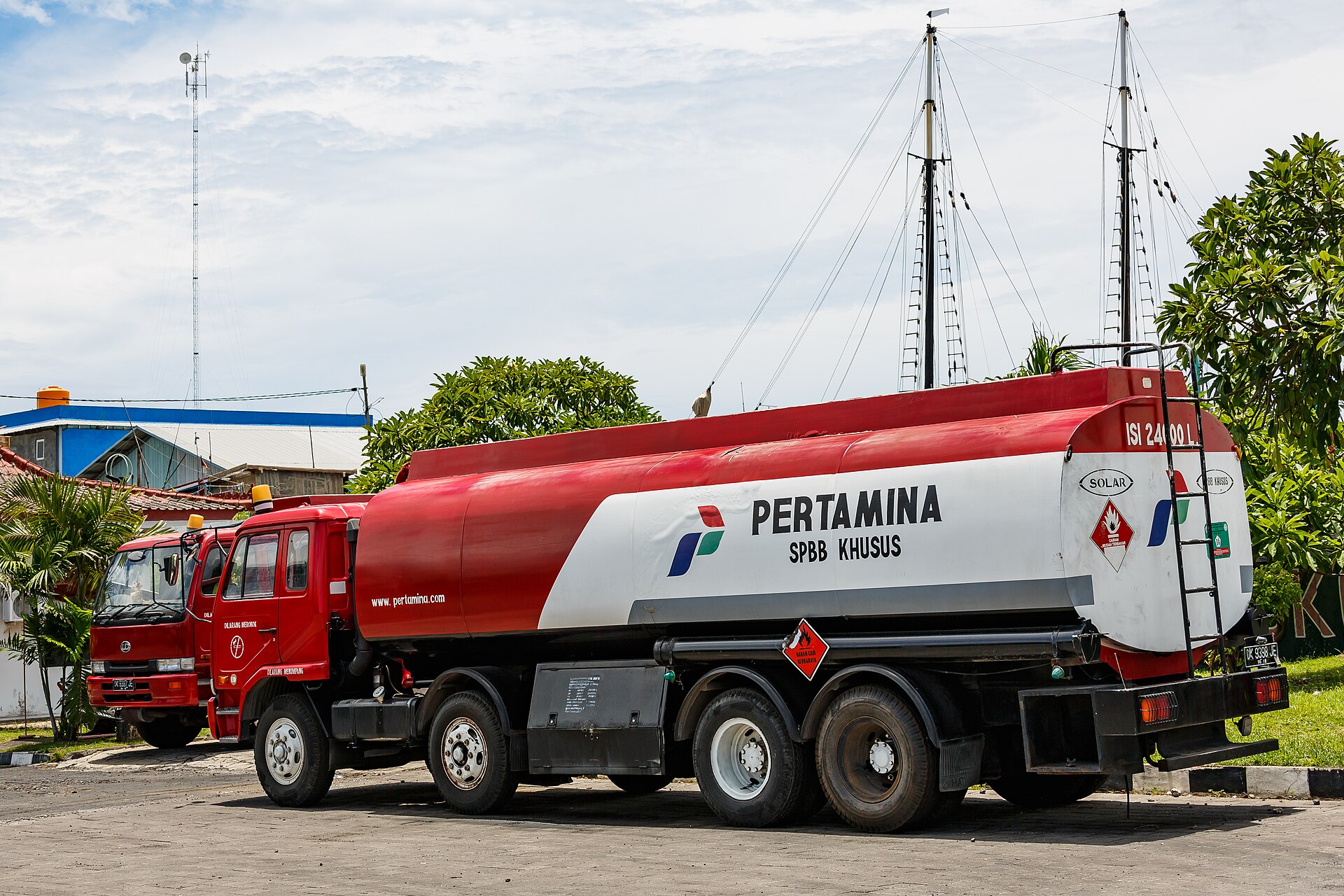
The response has been to flood the island's two terminals. A tanker with 20,500 kilolitres — 18,000 of Pertalite and 2,500 of Pertamax — berthed at Manggis on Sunday, October 11, and distribution across Bali began on Monday, Governor Koster said after summoning Pertamina and the Hiswana Migas fuel retailers' association to his Denpasar residence. Pertamina Patra Niaga's regional spokesman Ahad Rahedi said the company is adding a further 26,200 kilolitres in total, with ships scheduled to dock in stages on October 12, 14 and 16 at the Sanggaran and Manggis terminals, and that unloading and terminal distribution are running around the clock. Distribution, previously routed mainly through Manggis, is now being run through both terminals to reach stations faster, and Pertamina has put a number of stations — reported in Denpasar, Badung, Gianyar and Tabanan — on 24-hour operation. Police have been deployed to manage traffic at the busiest forecourts, a measure visible in the nighttime queues filmed across the island this week. In Tabanan, where BisnisBali reported that station deliveries had fallen from about 30 to 32 kilolitres to roughly 8 kilolitres, operators have capped purchases at Rp 50,000 per motorcycle and Rp 200,000 per car so the remaining supply is shared around the queue.
Koster said on Monday that with distribution under way, "this afternoon the fuel supply problem should be resolved," and the provincial government has estimated one to two days for service to normalise. Tuesday's queues suggest that timetable was optimistic — a gap between the official reassurance and the forecourt reality that has itself become part of the story, with frustrated residents telling local media not to offer "just talk." Pertamina counters that consumption remains the swing factor: Bali burns through roughly 2,200 kilolitres of Pertalite a day, and every day of panic buying pulls forward demand the terminals then have to replace.
The Iran war claim — and what the evidence actually shows
The Bali queues have travelled around the world this week attached to a bigger claim: that they are a downstream effect of the war with Iran and the disruption around the Strait of Hormuz. That framing, pushed by widely shared social media posts, does not match what officials, the state fuel company or Indonesian energy analysts have said. None of the statements from Pertamina, the Bali provincial government, the energy ministry or the National Energy Council attributes the queues to the war, to crude supply, or to imports. Bali's petrol is refined in Indonesia and shipped from Java; the causes named on the record are a weather-delayed tanker, constrained station quotas, thin distribution redundancy and panic buying — with national fuel stocks officially described as safe at 18 to 20 days.
That does not mean the war is irrelevant context. Crude prices remain elevated — Reuters put benchmark oil near $104 a barrel on Monday — and tanker movements through Hormuz remain disrupted, pressures that raise the cost of every fuel system on earth and leave little slack when local logistics fail. But analysts distinguish between a tight global market, which is real, and the specific reason Balinese motorists queued this week, which on the available evidence is domestic and logistical. Readers should treat any post presenting the queues as direct proof of a war-driven supply collapse with caution: the documented failure was a late ship and a distribution network with no spare capacity, amplified by fear itself.
What happens next
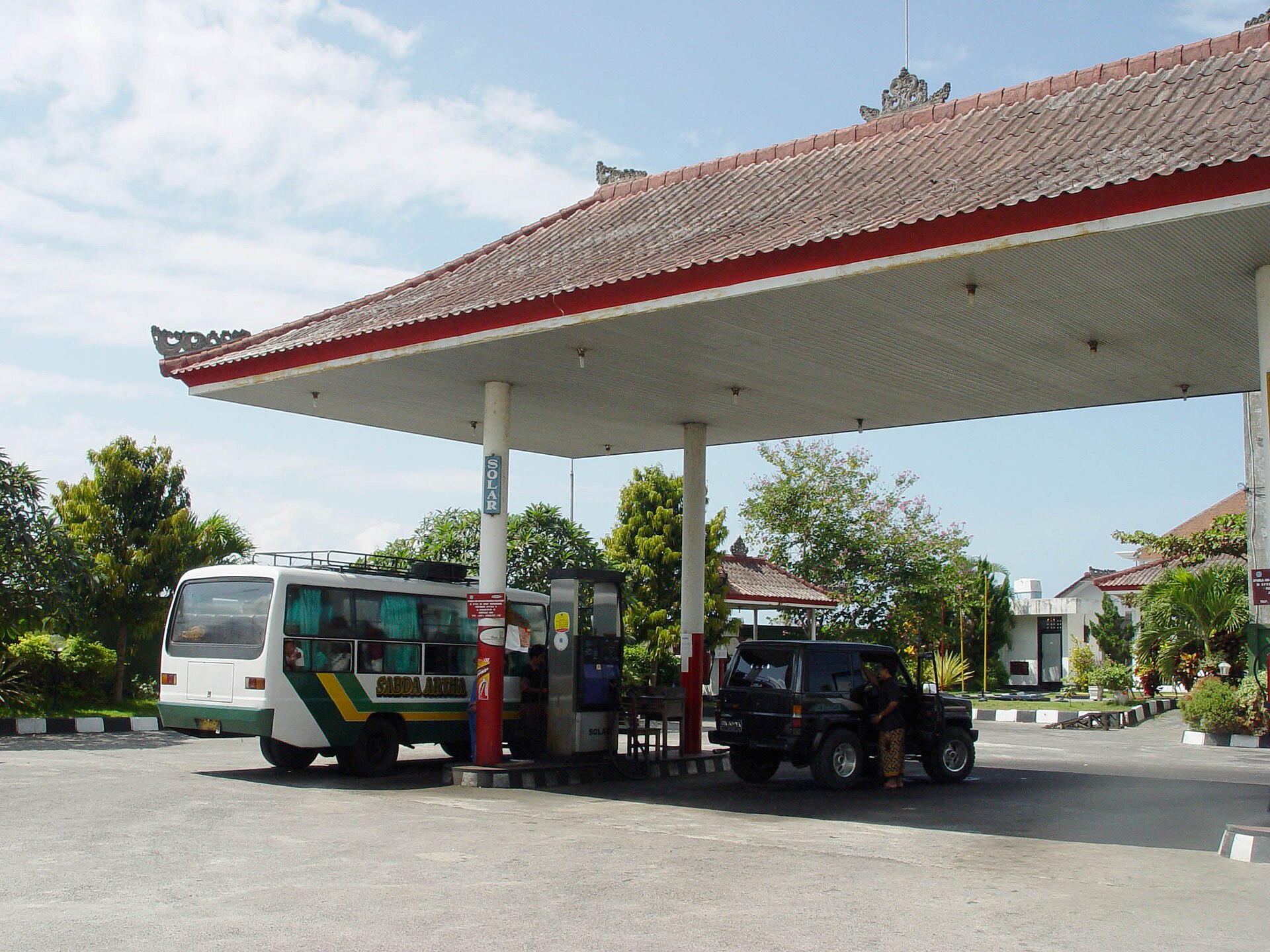
The immediate test is the tanker schedule: further cargoes are due on October 14 and 16, and Pertamina says distribution from both terminals will stay on a 24-hour footing until queues clear. If arrivals land on time and panic buying fades, the province's one-to-two-day normalisation estimate could still hold from midweek. The political argument will run longer. Alit Kelakan, a member of Indonesia's national parliament from Bali, has demanded Pertamina raise the island's fuel quota by 20 per cent, noting that Bali had already used about 73 per cent of its 2026 Pertalite quota — 560.9 million of 764.1 million litres — by September, before the peak holiday season. A tourism island with high mobility, he argues, cannot be supplied like an average province. Whether Jakarta agrees will decide if this week's queues were a one-off weather story, or the first rehearsal for a repeat at Christmas and New Year, when Bali's roads — and its petrol stations — are busiest of all.