Baby Face wrestler dies
Baby Face wrestler dies at 79: José Guadalupe Fuentes Ochoa, the Mexican lucha libre veteran whose roughhouse rudo work carried him from Colima to Arena México, the Toreo de Cuatro Caminos and repeated tours of Japan, died on Friday, September 25, 2026. El Hijo del Santo announced the death and remembered him as a “great figure of Mexican wrestling” and a beloved colleague. No official cause of death had been reported by publication, and accounts circulating about recent medical problems should not be treated as a confirmed explanation.
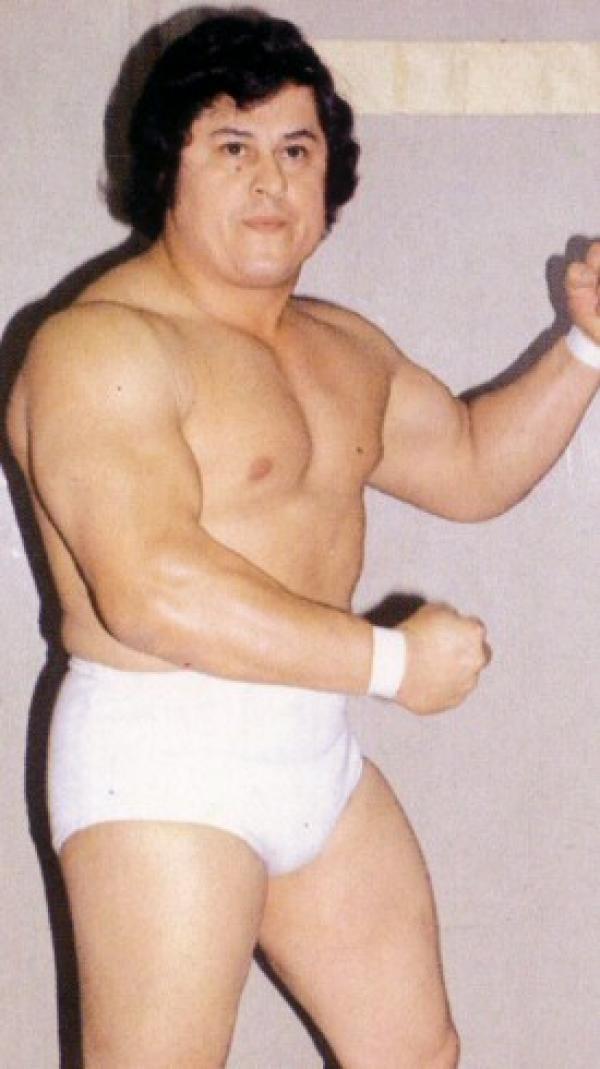
The announcement closes a career that joined several worlds usually remembered separately: the territorial energy of Mexican wrestling in the 1970s and 1980s; the star-making halls of Arena México and the Toreo; the exchange of styles between Mexico and New Japan Pro-Wrestling; and the informal economy that sustained many wrestlers after the bookings stopped. Fuentes Ochoa did not merely survive those worlds. He became a connective figure between them.
Born on August 31, 1947, in Colima, Mexico, he debuted as a professional wrestler in 1970. Published career accounts describe a 32-year run before a severe injury forced his definitive retirement in 2000. He appeared for the Universal Wrestling Association, Consejo Mundial de Lucha Libre and AAA, worked major cards at Arena México and the Toreo de Cuatro Caminos, and traveled repeatedly to Japan for New Japan Pro-Wrestling. His record is therefore not only a list of matches. It is a map of how a Mexican wrestler of his generation made a living: moving among promoters, buildings and countries while carrying a recognizable character from one crowd to another.
A tribute, and an important limit on what is known
The El Hijo del Santo Baby Face tribute supplied the dates now being repeated across wrestling coverage: August 31, 1947, to September 25, 2026. El Hijo del Santo called Fuentes Ochoa a dear friend and an “entrañable compañero de profesión,” or cherished professional colleague, and extended condolences to his family, friends and the wider wrestling community.
That statement confirmed the death, but it did not state a cause. Fox Sports México cited a journalist's report attributing the death to renal and cardiac failure after recent health problems. That remains a reported claim, not an official cause released by the family or a medical authority. The distinction matters in an obituary. A public figure's death can quickly attract a definitive explanation because audiences want closure; responsible reporting has to preserve uncertainty until the people or institutions entitled to establish cause provide it.
The confirmed facts are enough to measure the loss. Fuentes Ochoa was 79. He had spent three decades in a physically punishing profession, then more than two decades operating a food business that kept him in daily contact with the audience that remembered him. The story of his death is not made more complete by filling an evidentiary gap.
From Colima to the capital's biggest rooms
“El Cañonero de Colima”—the Cannoneer of Colima—was a nickname built for force. It linked Fuentes Ochoa to his birthplace while promising impact, aggression and danger. That identity fit an era when wrestlers were expected to be legible from the cheap seats. A nickname, stance and first exchange needed to tell the crowd what kind of struggle it was watching before a television close-up could do the work.
Baby Face developed in the ecosystem that made Mexico City the center of lucha libre without making it the only place that mattered. Arena México, often called the cathedral of lucha libre, offered prestige and visibility. The Toreo de Cuatro Caminos, long associated with the UWA's independent identity, offered a different audience and promotional culture. To be remembered in both spaces was to cross one of the business's defining lines.
Career summaries place him in UWA, CMLL and AAA environments across different stages of his career. That breadth is significant because the promotions did not simply offer interchangeable logos. They represented competing booking networks, television eras and ideas about how Mexican wrestling should be presented. A veteran who could move across them had to remain useful even as tastes, opponents and economics changed.
The 570-day championship reign
Fuentes Ochoa's clearest title marker came in 1981, when he won the Mexican National Light Heavyweight Championship. Wrestling Headlines and Sportskeeda report that he held it for 570 days. In a career more frequently remembered through blood, rivalries and character, that reign supplies a useful measurement of institutional confidence.
A championship in professional wrestling is not a conventional sporting result; promoters choose the holder. That does not make it meaningless. It shows whom a promotion trusted to carry marquee matches, draw interest across towns and give challengers a credible obstacle. A 570-day reign says Baby Face could be relied on over many cycles of opponents and stories rather than for one sensational evening.
His work with Luis Mariscal and Scorpio in Los Tigres del Ring adds another dimension. Trios and factions are central to lucha libre because they allow contrasting personalities and styles to build a collective identity. The group linked Baby Face's individual menace to a broader unit, making him valuable in cards that needed both established names and flexible combinations.
The rudo paradox: a heroic name for the villain
The most revealing line in Baby Face's biography is also the simplest: despite the name, he usually worked as a rudo. In English-language wrestling jargon, a “babyface” is the hero—the performer the crowd is expected to support. In Mexican lucha libre, that role is the técnico, opposed by the rule-breaking, antagonistic rudo. Fuentes Ochoa carried a name that promised one moral position while performing the other.
That contradiction was not a branding mistake. It made him memorable. The sweet-sounding name lowered the guard; the work answered with violence. Sportskeeda remembered the bloodiness of his matches as more central to his reputation than any single title. Fox Sports México described him as one of the dangerous villains of the 1970s, 1980s and 1990s. The gap between “Baby Face” and the man audiences saw made each side sharper.
A strong rudo does more than cheat. He gives the público permission to participate—to shout, reject, bargain with the referee and invest emotionally in the técnico's comeback. The villain controls the moral temperature of the room. Baby Face's longevity suggests he understood that compact: the crowd's anger was not evidence that the character failed, but that it worked.
The rudo paradox also explains why the wrestler could be warmly remembered by colleagues and fans. The violence was a performed relationship, not a complete personality. El Hijo del Santo's tribute emphasized affection and professional companionship. Later customers at the rice stand encountered the man behind the antagonism. Lucha depends on that double vision: spectators know there is craft beneath the conflict, but the performance asks them to feel the conflict anyway.
Rivalries were the archive
Career accounts place Baby Face opposite a remarkable range of names: Dynamite Kid, El Hijo del Santo, Villano III, Tiger Mask, Perro Aguayo, Canek and Rayo de Jalisco among them. The Internet Wrestling Database also records bouts involving Gran Hamada, Kuniaki Kobayashi, Tatsumi Fujinami, Bret Hart, Atsushi Onita, Davey Boy Smith and Black Tiger. The surviving database is incomplete—its profile lists only a fraction of a three-decade career—but even that fragment shows the territory he covered.
The famous Eddie Guerrero Baby Face hair vs hair 1988 match in Ciudad Juárez is the kind of encounter that outlives a conventional win-loss record. A lucha de apuestas puts identity or appearance at stake: mask, hair or career can become the price of defeat. Against Guerrero, then an emerging member of one of wrestling's most important families, Baby Face represented an established generation testing a younger one. The match belongs to both men's stories even though Guerrero's later global fame can make the earlier Mexican context disappear from retrospectives.
That is why rivalries function as an archive. One wrestler's biography preserves the routes of another. Remembering Baby Face means remembering the opponents who trusted him with their bodies, the promoters who paired them and the cities that made those pairings matter. It also means recognizing that many bouts from his era survive unevenly—in newspaper listings, fan recollection, databases, photographs and oral history rather than complete broadcast libraries.
Japan and the two-way exchange that changed lucha
Fuentes Ochoa toured Japan repeatedly during a period when New Japan's junior-heavyweight scene was becoming globally influential. ProFightDB records him teaming with Dynamite Kid in Sapporo, facing Tiger Mask in Osaka, joining Bret Hart and Dynamite Kid in a six-man match, and later teaming with Hart in Otaru. Sportskeeda reports that Hart publicly praised him and identifies the two as colleagues in New Japan during the same era.
The history is sometimes told as if ideas traveled in one direction: Mexican wrestlers exported aerial technique and masks, while Japanese promotions supplied discipline and prestige. The actual exchange was more complicated. Wrestlers brought pacing, grappling, character work and promotional expectations home with them. They learned what translated without a shared language. They also built relationships that could produce future tours and bookings.
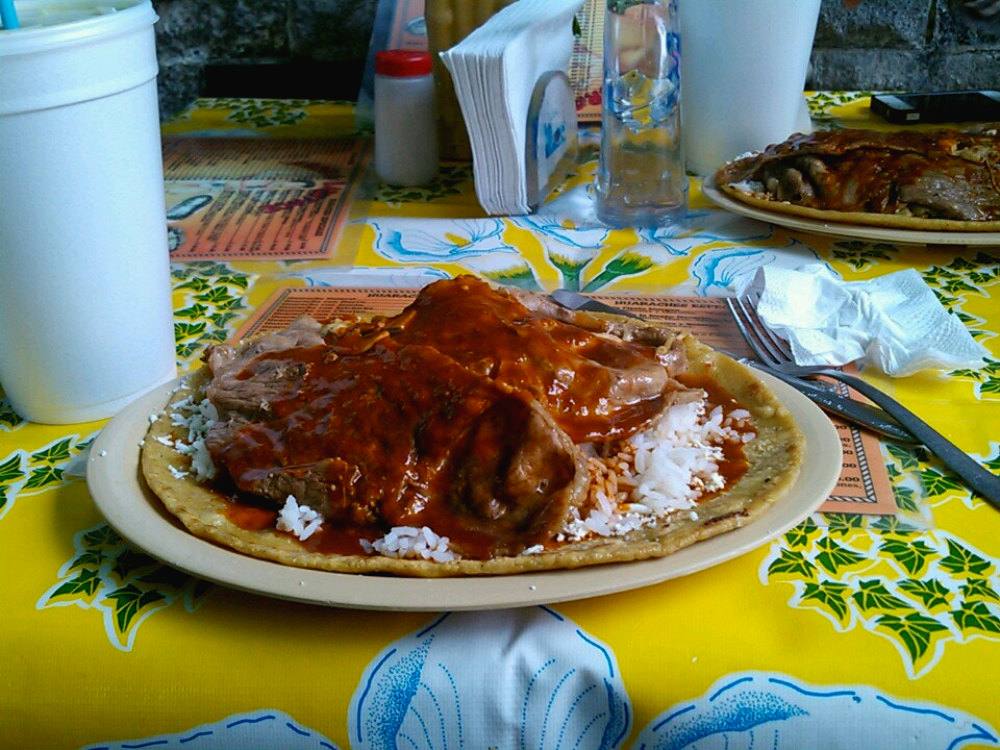
Baby Face's Japan story has an unusually tangible afterlife. He did not bring home only match memories. Reporting on his restaurant says he used days off during Japanese tours to learn about the food, then adapted Japanese-style rice to a Mexico City street-food setting. The bridge from New Japan to Doctores ran through a kitchen.
Arroces Baby Face made retirement visible
After the injury that ended his career in 2000, Fuentes Ochoa and fellow wrestler Baby Richard founded what became known as Arroces Baby Face or Arroces del Baby Face near Arena México in the Doctores neighborhood. A Chilango feature described a modest stand that began with huaraches and gorditas before rice became its defining product. The business had already operated for more than 20 years when that account was published.
The menu turned wrestling memory into ordering language. Dishes were named for performers, with names including Perro Aguayo, Pierrot, Black Tiger and Latin Lover. Chilango described the Latin Lover as rice with chicken, salmon, shrimp, scallop, surimi and mushrooms, while another listing emphasized the breadth of combinations. The details matter because they show adaptation rather than souvenir branding: Japanese influence, Mexican ingredients, neighborhood appetites and lucha references were combined into something customers could eat rather than merely admire.
Current details supplied for this report list hours of 9:30 a.m. to 4 p.m. daily. An older Chilango listing gave weekday hours of 9 a.m. to 4 p.m., so anyone planning a visit should confirm before traveling. What is established is the location's relationship to the arena. Fans could see a legend's name on the menu, speak with someone whose work they remembered and continue the ritual of lucha outside the building.
The phrase Baby Face Arroces Arena Mexico is more than a search term. It describes a retirement model. Rather than disappear from public view or sell nostalgia at occasional conventions, Fuentes Ochoa placed his second act in the path of weekly wrestling life. The audience kept the wrestler economically present; the wrestler gave the neighborhood a living piece of its own history.
The economics behind the second act
Professional wrestling often celebrates longevity while externalizing its cost. The performer pays for travel, physical wear and gaps between bookings; the promoter pays for the show in front of the audience. Retirement can expose the imbalance. A long career does not necessarily produce a dependable pension, health coverage or royalties capable of supporting later life.
Mexico's labor history is more complicated than saying wrestlers never had a union. Deadspin's account of wrestling organizing described a CMLL-associated union as largely non-confrontational and traced the decline of the independent Sindicato Nacional de Luchadores in the 1990s, including controversy over disappearing pensions. The same account noted that a 1991 strike did win concessions over television scheduling. The accurate conclusion is not that collective organization never existed; it is that industrywide protection was fragmented and often too weak to guarantee a secure retirement.
That helps explain why food businesses recur in wrestling biographies. In 2012, Mediotiempo reported that veteran Súper Astro opened a new tortería after an earlier establishment closed during an economic crisis. His giant tortas became part of Mexico City's lucha-food tradition. Baby Face's rice stand belongs to the same pattern: arena recognition converted into a small-business advantage, while the business absorbed the labor of daily service that promoters no longer paid for.
The comparison should not romanticize entrepreneurship. Opening a restaurant is not equivalent to receiving a pension, and a beloved public identity does not remove rent, ingredient costs, illness or succession problems. But these businesses reveal skill that wrestling coverage often overlooks. Performers know crowds, timing, memory and repeat custom. They can turn a character into hospitality without pretending the ring still exists.
Why the deaths of veteran luchadores feel like lost libraries
Among lucha libre deaths 2026, Baby Face's passing carries a particular archival weight. Veterans from the 1970s through the 1990s remember how bookings were negotiated, how locker rooms crossed promotional lines, how crowds differed from city to city and how international tours actually worked. Much of that knowledge was never written down. It lived in conversations, habits and judgments: which opponent could be trusted, how to make a feud feel local, when to slow a match, where to eat after the card.
Calling them living archives is not sentimental inflation. The documentary record is genuinely incomplete. Match databases preserve dates and pairings but not always the reasons a match happened. Television preserves what was filmed and retained, not every territory or independent card. Promotional histories tend to center owners and headline champions. Veterans preserve the connective tissue.
When one dies, the loss is therefore personal, cultural and informational. Family and friends lose a person. Fans lose a voice linked to their own memories. Researchers lose testimony that might have clarified how the industry functioned beneath its public stories. The proper response is not to turn every recollection into unquestioned fact; memory can conflict and age. It is to record, compare and preserve those recollections while the people who carried them can still speak.
Who gains, who loses and what the legacy means
Mexican wrestling loses a bridge figure. Fuentes Ochoa connected the UWA and major Mexico City arenas to CMLL, AAA and New Japan. That breadth makes his career useful for understanding an industry that was always more networked than its promotional rivalries suggested.
His peers and students of the sport lose firsthand knowledge. The bouts are only part of what disappears. So do the practical lessons of working a rudo character across cultures and adapting to opponents from radically different systems.
The Doctores neighborhood retains a material legacy. Arroces del Baby Face turned biography into place. Even readers who never saw a 1980s bout can understand the wrestler through the business: Japanese tours became rice technique; rival names became menu items; Arena México foot traffic became a community.
The industry gains a chance to confront retirement honestly. Tributes celebrate toughness, but a tribute that ignores the economic vulnerability of aging performers leaves the story unfinished. Baby Face's second career was resourceful. It should prompt admiration without letting promoters or fans treat individual resourcefulness as a substitute for durable support.
What happens to the restaurant now
No public announcement reviewed for this article established what will happen to Arroces del Baby Face after Fuentes Ochoa's death. It would be wrong to assume closure, sale or continuation, and equally wrong to announce family plans that have not been made public.
Several possibilities can be identified only as scenarios. The family and Baby Richard may continue the business, preserving its recipes and wrestling names. They could reduce hours while responsibilities are reorganized. They could invite another veteran or younger relative to become the public face. They could also decide that the business depended too heavily on Fuentes Ochoa's daily presence to continue in the same form.
The best near-term evidence will be a statement from the family or restaurant, followed by observed operating hours. Fans can support the place if it remains open, but mourning should not become pressure on relatives to keep a business running for public nostalgia. Preservation can take other forms: recorded oral histories, a digitized menu, photographs, recipes or a small exhibition documenting the route from Japanese tours to Doctores.
A career larger than its surviving footage
Baby Face's legacy rests on a productive contradiction. He carried a heroic English-language name into the ring and used it to become a convincing Mexican villain. He performed brutal stories, yet colleagues remembered warmth. He traveled across the Pacific for wrestling and returned with culinary knowledge. When injury ended one form of public labor, he built another beside the arena that had made him famous.
The title reign matters. So do the matches with Tiger Mask, Dynamite Kid, Bret Hart, El Hijo del Santo, Perro Aguayo, Canek, Villano III, Rayo de Jalisco and Eddie Guerrero. But the deepest measure of the Baby Face lucha libre legend may be the continuity between ring and street. His name remained useful because people attached memory to it, and he honored that memory by remaining available to them.
For comparison with other recent legacy reporting, Signal Post News has examined how verified medical findings changed the account of Hayden Panettiere's death and how unresolved questions should remain labeled in coverage of Dolly Parton's estate and legacy. In Fuentes Ochoa's case, the appropriate final word is also the most disciplined: the cause is not officially known, while the career and community he built are visible enough to stand on their own.
Sources
- Mediotiempo — death announcement, career length, retirement and Arroces del Baby Face
- Fox Sports México — El Cañonero de Colima, rudo reputation, rivals and the Doctores restaurant
- Sportskeeda — UWA, Japan, Bret Hart, Los Tigres del Ring, the title reign and the 1988 Guerrero match
- Wrestling Headlines — 1970 debut, promotion history, title reign and El Hijo del Santo tribute
- Internet Wrestling Database / ProFightDB — profile, ring names and selected Mexico–Japan match record
- Chilango — restaurant history, food and location
- Deadspin — Mexican wrestling union and pension history
- Mediotiempo — Súper Astro's post-ring tortería
Reporting basis: Fixed September 25, 2026 snapshot. El Hijo del Santo announced the death and supplied the birth and death dates. No official cause of death had been reported. Match databases preserve only part of a long career; promotional and labor analysis is attributed where factual and identified as Signal Post News analysis where interpretive.