The 'mother of all bombs' is back on the table for Iran — and the planners doubt it would work
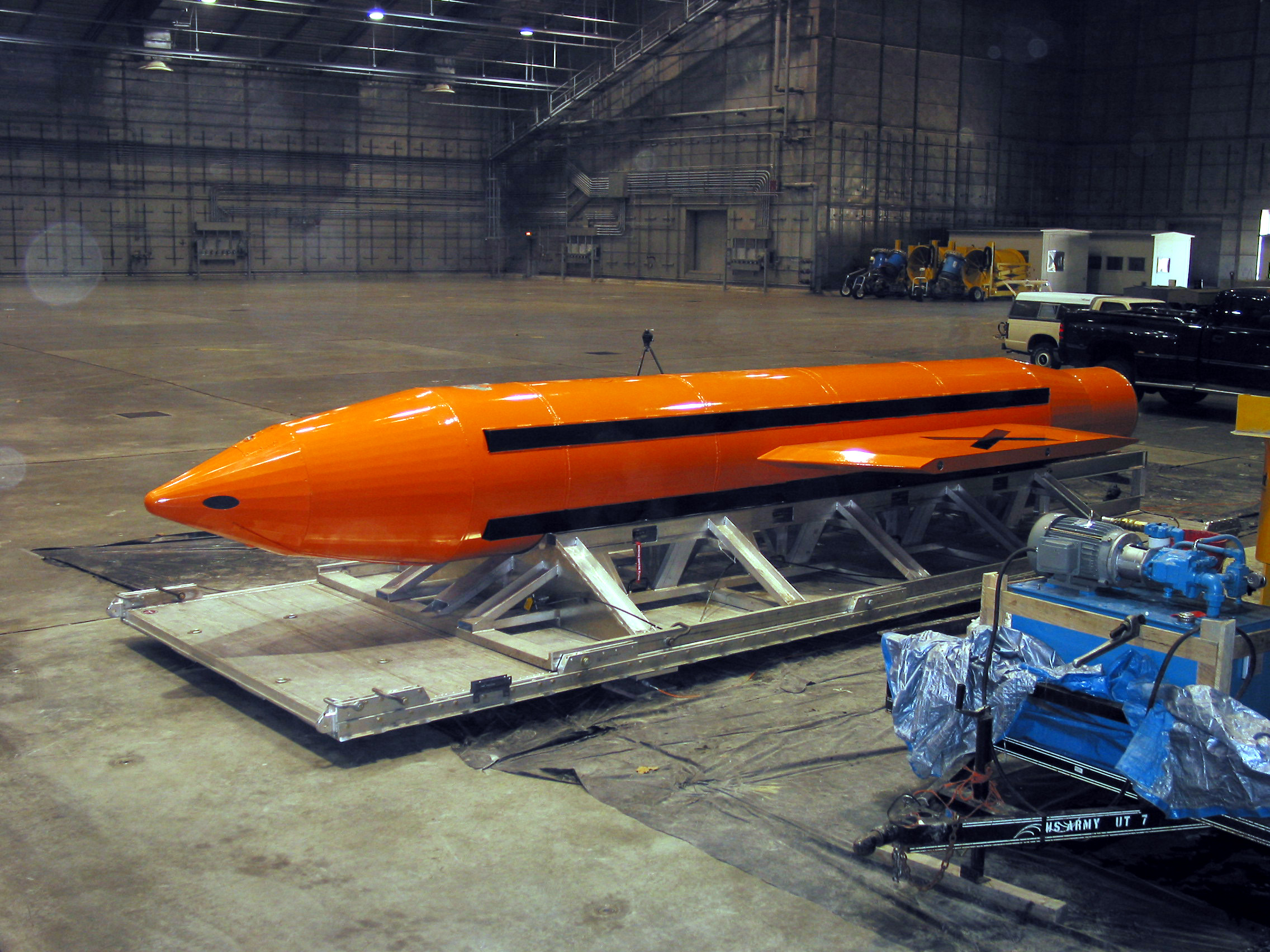
WASHINGTON, October 15, 2026 — The plans, reported in a CNN exclusive by Zachary Cohen, Haley Britzky and Kevin Liptak, describe strike packages the Pentagon has prepared in case Trump decides to resume a war that has already run for more than seven months. According to the officials who spoke with CNN, Trump directed the military to prepare additional strike packages aimed at "a lot of energy infrastructure," and the options include using the MOAB against nuclear sites — most pointedly Pickaxe Mountain, the fortified underground complex near Natanz where US and Israeli officials believe Iran has stored components of its nuclear program and which Trump has repeatedly threatened to bomb. Reuters, reporting CNN's account, noted it could not independently verify the plans. A White House official, asked about them, said "President Trump keeps all options on the table to ensure that Iran can never have a nuclear weapon," and declined to comment further.
Track it live: the Iran war tracker — deployments, strikes and the Strait of Hormuz.
Strike packages built around energy
The energy focus matters. Iran's grid, fuel depots and export terminals are the assets that translate military pressure into economic pain, and they are also the targets most likely to be felt by ordinary Iranians and by global oil markets. CNN's sources describe the new packages as ready if the president gives the order — either before the November 3 midterm elections or after them. That timing question hangs over everything: Trump has indicated he would hold off on additional strikes before the midterms, though advisers are unsure that is final, and the war he would be resuming is deeply unpopular, with Republicans bracing for a midterm backlash over it.
One source described the possible strikes to CNN as coming "prior to US retrograde in CENTCOM AOR" — military shorthand that CNN reads as a possible endgame: a final, heavy round of strikes, a declaration of victory, and then a quick pullout of US forces from the region. Whether that is a strategy or an exit ramp depends on who is describing it. Some officials familiar with the planning question whether the White House has any approach that can actually end the war, rather than simply pause it again.
The Pickaxe Mountain problem
The most striking detail in CNN's reporting is also the most contested inside the Pentagon itself. The MOAB weighs 21,600 pounds and carries roughly 11 tons of explosives, but it is an air-blast weapon: it detonates above the ground, spreading enormous overpressure across a wide surface area. It is not a deep penetrator. Facilities tunneled into granite — and Pickaxe Mountain is precisely that, a mountain hollowed out near the Natanz enrichment complex — would, in the assessment of officials who spoke with CNN, likely survive a MOAB strike. One source called the weapon "a massive information operation type weapon": its value would be spectacle and signal, not rubble.
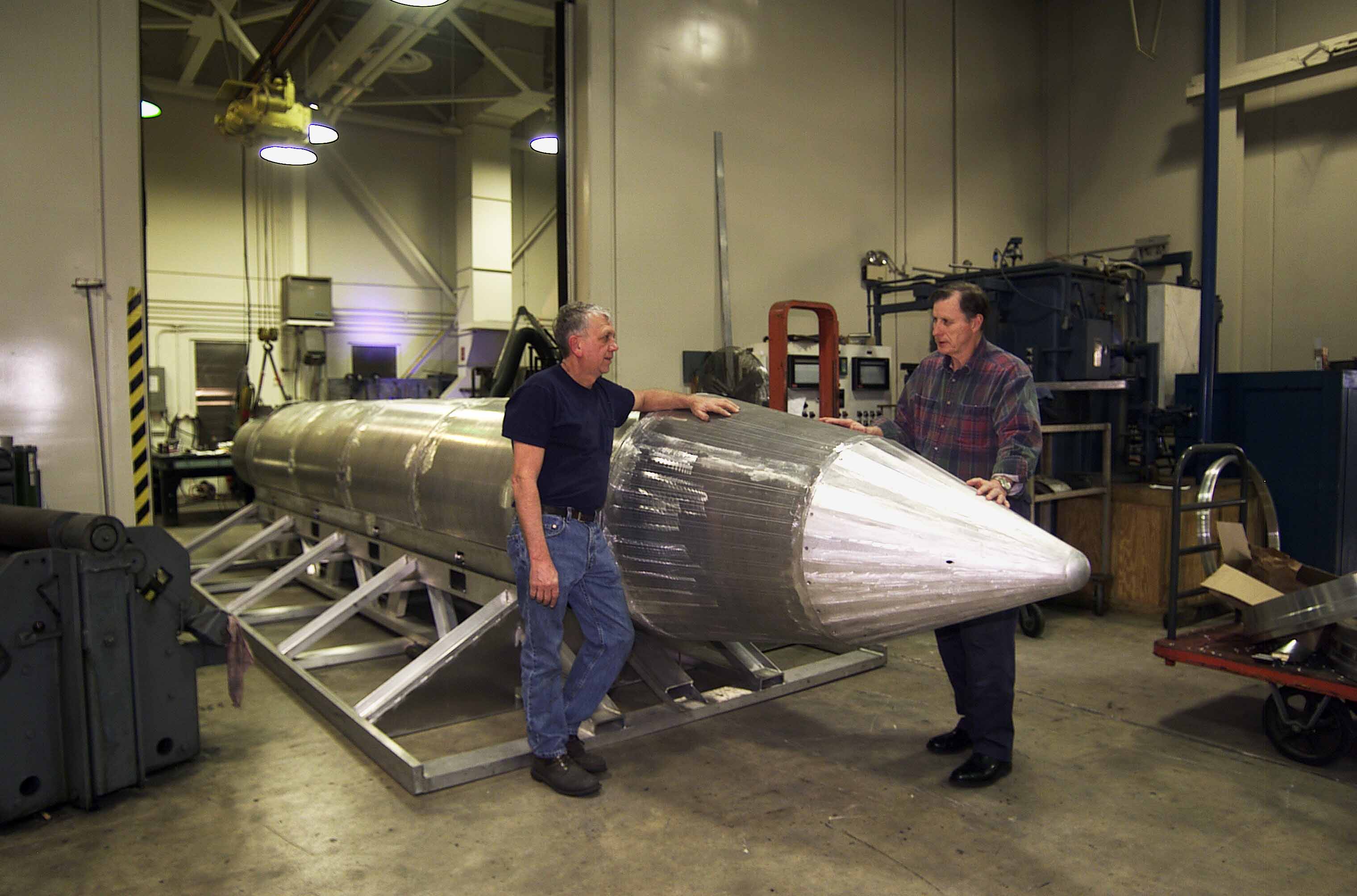
That distinction is the analytical heart of the story. The United States already possesses purpose-built bunker penetrators — the GBU-57 Massive Ordnance Penetrator was designed for exactly the class of target Pickaxe Mountain represents. Reaching for the MOAB instead, against a target its own physics argues it cannot destroy, suggests the planning is at least partly about psychology: a weapon whose nickname has been famous for two decades, whose single combat use produced one of the most replayed strike videos of the Trump era, and whose detonation would be impossible for Tehran — or for American voters — to miss. Critics of the approach say spectacle is not a substitute for effect, and that striking energy infrastructure while claiming a nuclear objective invites escalation without disabling the program. Supporters of keeping the option ready answer that deterrence runs on exactly that kind of visibility, and that Tehran should not be able to assume any target set is off limits.
A weapon built in 2003, used once
The MOAB was developed in the Iraq War era and tested at Eglin Air Force Base in March 2003; its orange test article became one of the most reproduced weapons photographs in the world. It then sat in the arsenal, unused in combat, for 14 years. Its single operational drop came in April 2017, when Trump authorized it against an Islamic State tunnel complex in Afghanistan's Nangarhar province. Afghan officials reported 36 fighters killed. The strike was, even then, debated less for its battlefield effect than for its message — a new president demonstrating willingness to use the biggest conventional weapon America owns.
The politics closing in
The war began on February 28 and has run for more than seven months of American bombing. It is, by every public measure, a political liability heading into November 3: an open-ended campaign, no declared end state, and now reporting that the newest plans contemplate the most theatrical weapon in the inventory. The parallel track remains diplomacy — a possible agreement to reopen the Strait of Hormuz, the chokepoint whose closure has kept energy markets on edge all year. The CNN report lands at the intersection of those two tracks: strike plans polished and ready, an off-ramp still theoretically available, and a president who has publicly kept both alive.
What happens next
Three questions will decide whether this story stays a planning leak or becomes the war's next chapter. First, the trigger: any resumption of strikes is Trump's call, and his signals have pointed in both directions — restraint before the midterms, maximal options after them. Second, the target set: energy infrastructure is a pressure campaign; Pickaxe Mountain is a statement, and the gap between what the MOAB can do to it and what would be claimed for it is where the credibility fight will happen. Third, Tehran's answer: Iran has absorbed seven months of bombing without conceding its program, and a strike package designed partly as messaging invites a reply designed the same way. For now, the plans are plans — attributed, unconfirmed by the White House, and unverified independently. But the fact that they exist, and that officials are describing them on the record of background briefings three weeks before an election, is itself a move in the endgame both sides are playing.