US joins Musk EU fine challenge
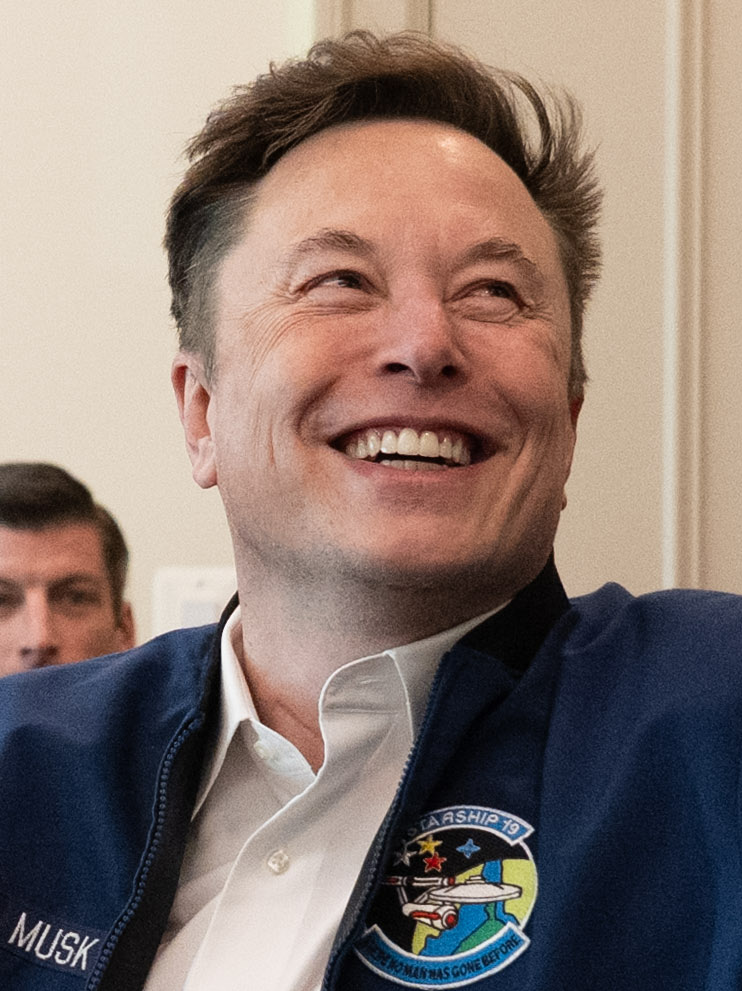
WASHINGTON — The US joins Musk EU fine challenge story moved from corporate litigation to government-backed confrontation on Thursday, when the United States formally applied to intervene in Elon Musk's attempt to annul the €120 million ($136.5 million) penalty the European Commission imposed on X last December. Coordinated by the Justice and State Departments, the filing asks the European Union's General Court to let Washington support Musk and X directly. A dispute that began with paid blue checkmarks is now a test of who sets the rules for American technology companies doing business abroad.
The immediate case concerns a Digital Services Act X violation. The larger argument concerns sovereignty. Brussels says platforms that reach European users must meet European transparency rules. Washington says the Commission stretched its authority past the territorial limits recognized in international law, reaching companies and an individual who are not present or operating within its jurisdiction. That conflict is bigger than one fine and one owner: it could shape how Meta, Alphabet, Apple, Microsoft and other U.S.-based platforms are regulated across the European market.
The US Justice Department General Court intervention
The United States applied to intervene in X Internet and X Holdings v. Commission and Musk v. Commission, the cases in which X and Musk seek annulment of the Commission's December 5, 2025 decision. That decision found Musk and X jointly and severally liable for Digital Services Act breaches and calculated the penalty against what Brussels described as the worldwide turnover of the economic unit controlled by Musk or X Holdings.
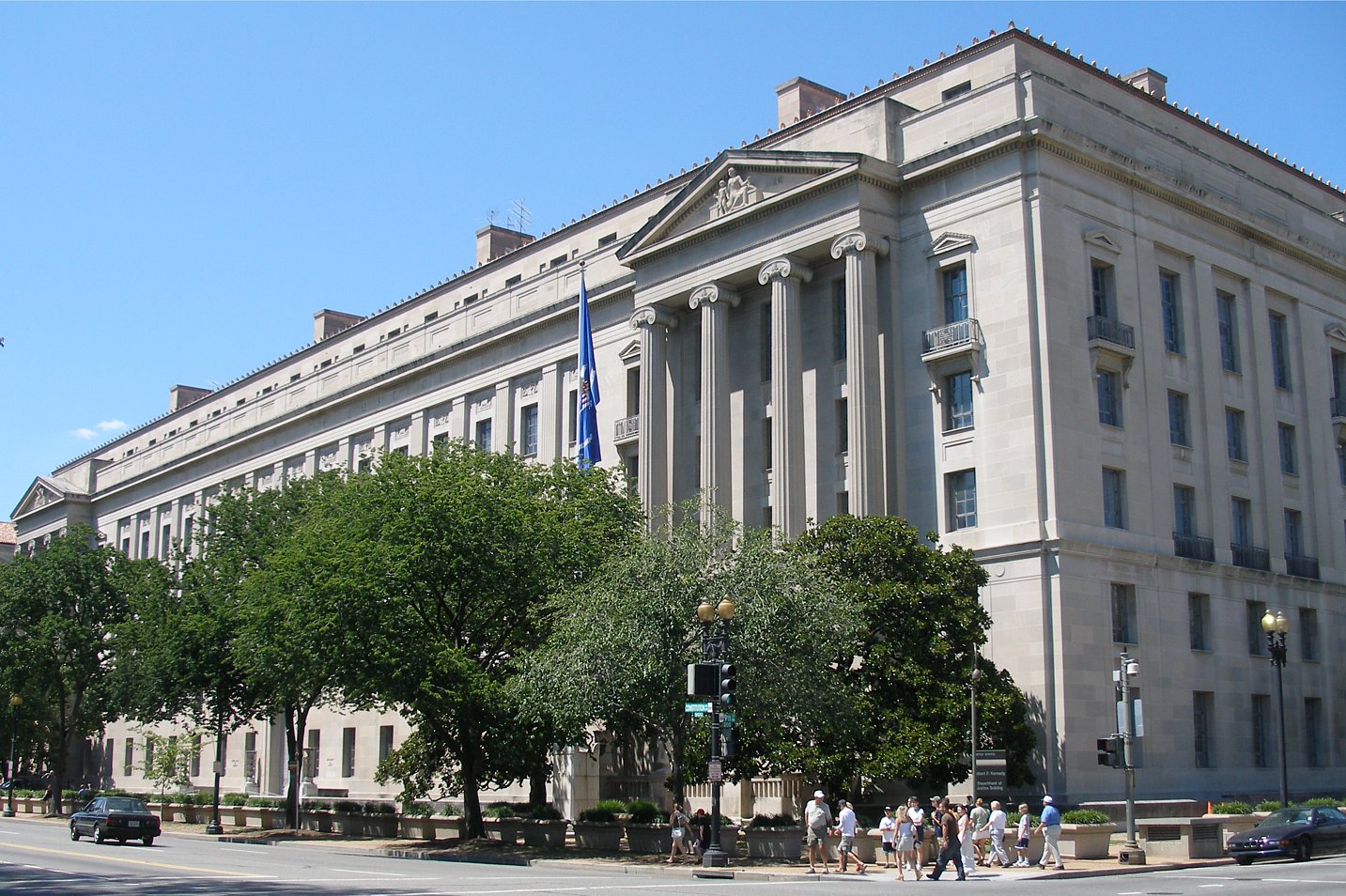
Assistant Attorney General Brett Shumate, who leads the Justice Department's Civil Division, stated Washington's position in unusually direct language: “The stakes here are not only about transparency obligations and bureaucratic red tape. They are about the rights of Americans and our sovereignty as a nation.” He added: “We will not tolerate the European Commission's regulatory overreach in attempting to control America's engines of innovation and economic growth.”
The wording matters. This is not a narrow brief about whether a checkmark is confusing. The Justice Department says it has an interest in ensuring that any judgment accords with territorial jurisdiction as understood in international law. It cites the danger of “foreign extraterritorial enforcement action” and argues that the Commission's approach to identifying the provider of a digital service could reach beyond X to other large online platforms with American parent companies.
Brett Shumate's EU regulatory overreach argument
Shumate's brief attacks both geographic reach and corporate attribution. The Commission did not merely fine the European-facing service; it treated Musk and X as a single economic unit for liability. Washington argues that looking through the corporate structure in this way conflicts with the “corporate veil” principle and risks pulling separate American entities into European enforcement merely because they share an owner.
That makes the case a potentially important boundary-setting exercise. The General Court must first decide whether the United States has shown the required interest in the result. If intervention is allowed, Washington can present arguments supporting annulment without becoming the original defendant or replacing X as the applicant. The court will still review the Commission's decision under EU law, but it will do so with the U.S. government openly contesting the legal theory behind it.
How the EU €120 million X fine began
On December 5, 2025, the Commission issued the first non-compliance fine under the Digital Services Act against a designated very large online platform. The EU €120 million X fine rested on three findings. Regulators said X's paid blue checkmark design was deceptive because users could buy a symbol that had historically signaled verified identity. They said the platform's advertising repository lacked required transparency. They also said researchers were not given the public-data access required to study systemic risks.
The EU DSA blue checkmark fine therefore was never only about a visual badge. The badge was the easiest part for the public to see, but the ad library and researcher-access findings go to the architecture of accountability. They determine whether outsiders can identify who pays for political or commercial messages, study the spread of harmful content and test a platform's own claims about enforcement.
The timing sharpened the confrontation. Three months earlier, the EU had imposed a €2.95 billion penalty on Google during a wider Big Tech crackdown under the Digital Services Act and Digital Markets Act. The framework reaches Amazon, Apple, Google, Meta, Microsoft, Booking.com and ByteDance as well as X. Signal Post News has separately examined Google's €403 million Irish location-data fine, another case in which European regulators are testing whether platform controls match the legal promises made to users.

Teresa Ribera, EU digital markets and the trade pressure
Washington had already made digital regulation part of its political and trade agenda. The administration linked possible reductions in U.S. steel import tariffs to softer European digital rules and instructed diplomats to lobby against the laws. Teresa Ribera, the Commission's antitrust chief, rejected that linkage: “It is our duty to remind others that we deserve respect.” She has called competition law “an essential pillar of open, fair, and sustainable markets” that must never become “a bargaining chip in trade negotiations.”
The exchange strips away the fiction that technology rules sit in a separate policy compartment. Europe views the DSA and DMA as domestic market law applied to services used inside Europe. The United States increasingly treats the same laws as external constraints on American industrial power. Each side describes its position as defensive. Each side also understands that the dispute creates leverage.
Why the US EU digital sovereignty dispute matters
The decisive question is whether a platform's relationship with European users gives Brussels enough jurisdiction to impose obligations on a corporate group headquartered elsewhere. The EU model says market access carries duties: if a service reaches tens of millions of Europeans, its legal footprint cannot be reduced to the location of its parent company. Washington's intervention says that principle becomes illegitimate when it is used to reach an American owner and related entities with no European presence or operations.
The General Court's answer can become a template. If the X Digital Services Act annulment succeeds on jurisdictional grounds, the Commission's strongest enforcement tool will be narrowed at the moment it is being tested against the world's largest platforms. If the court upholds the decision, Brussels will gain confidence that it can impose meaningful penalties based on activity in its market even when corporate control sits across the Atlantic.
That is why Meta, Alphabet, Apple and Microsoft are precedent watchers, not bystanders. Their products differ, but they operate under the same framework. A victory for X could supply arguments against corporate-group liability and extraterritorial reach. A victory for the Commission could encourage more aggressive cases involving transparency, recommender systems, advertising and researcher access.
The politics make a dry jurisdictional dispute combustible. The filing lands during U.N. General Assembly week and the Trump-Xi summit, while record diesel prices and continuing tariff fights keep economic security at the center of diplomacy. Signal Post News's Trump-Xi summit analysis shows how technology controls, tariffs and strategic commodities now travel together. Digital regulation has joined that same bargaining table.
Legal experts also note how unusual it is for the U.S. government to seek a formal role in litigation between one company and a foreign regulator. The move signals that the White House sees the Elon Musk X EU appeal as a question of American technological sovereignty, and wants the dispute linked to broader U.S.-EU digital trade negotiations rather than left to Musk's lawyers alone.
Winners and losers as Washington backs X
Musk and X gain institutional weight. Their appeal is no longer only the resistance of a regulated company. The United States has adopted the jurisdictional core of their argument and is prepared to present it in court.
The European Commission puts the DSA's credibility on trial. Brussels wins if the court validates its method and its reach. It loses more than €120 million if the legal theory behind the first platform non-compliance fine is cut back.
Other platforms gain a test case. They can watch the court define which company is the service provider, when a parent can be reached and how worldwide turnover can enter a European penalty.
Researchers and users risk becoming collateral. The transparency and public-data provisions were written for them. A jurisdictional defeat for the Commission could weaken access even if the court never decides whether X's badge, ad repository or researcher tools actually complied.
Transatlantic trade talks inherit another fault line. Steel, tariffs, data, competition and platform rules are increasingly negotiated as one package. That can produce a bargain, but it can also make technical enforcement hostage to unrelated commercial pressure.
What happens next in the Elon Musk X EU appeal
The General Court must handle the intervention request before Washington can fully participate. Article 40 of the court's statute allows a state to intervene when it establishes an interest in the case's result. If admitted, the United States will support X's request for annulment and present its own jurisdictional arguments. The Commission will have an opportunity to respond.
EU court litigation typically runs for years, so the legal verdict is not the next political event. The near-term story is how Brussels answers a direct challenge from Washington. Watch for the Commission's formal response, Ribera's next public move, whether U.S. officials connect the case to steel tariffs or other trade levers, and whether the administration considers Section 301-style measures against European digital policies.
The core danger is that both sides treat a court case as proof that the other is acting in bad faith before the judges have ruled. Europe has a legitimate interest in making rules for services used by Europeans. The United States has a legitimate interest in limiting foreign claims over American companies and individuals. The durable answer must define where one interest ends and the other begins. A negotiated tariff concession may postpone that answer; only a principled jurisdictional standard can settle it.
Sources
- U.S. Department of Justice: United States files request to intervene in X and Musk cases
- Reuters: U.S. government seeks to join Elon Musk in challenge against EU's fine on X
- The Wall Street Journal: U.S. files to intervene with EU decision on X, Elon Musk
- Bloomberg Tax: U.S. seeks to join Musk in court fight with EU over X fine
- Reuters, December 2025: Europe forges ahead with Big Tech crackdown with X fine