ShinyHunters FBI breach Oracle PeopleSoft
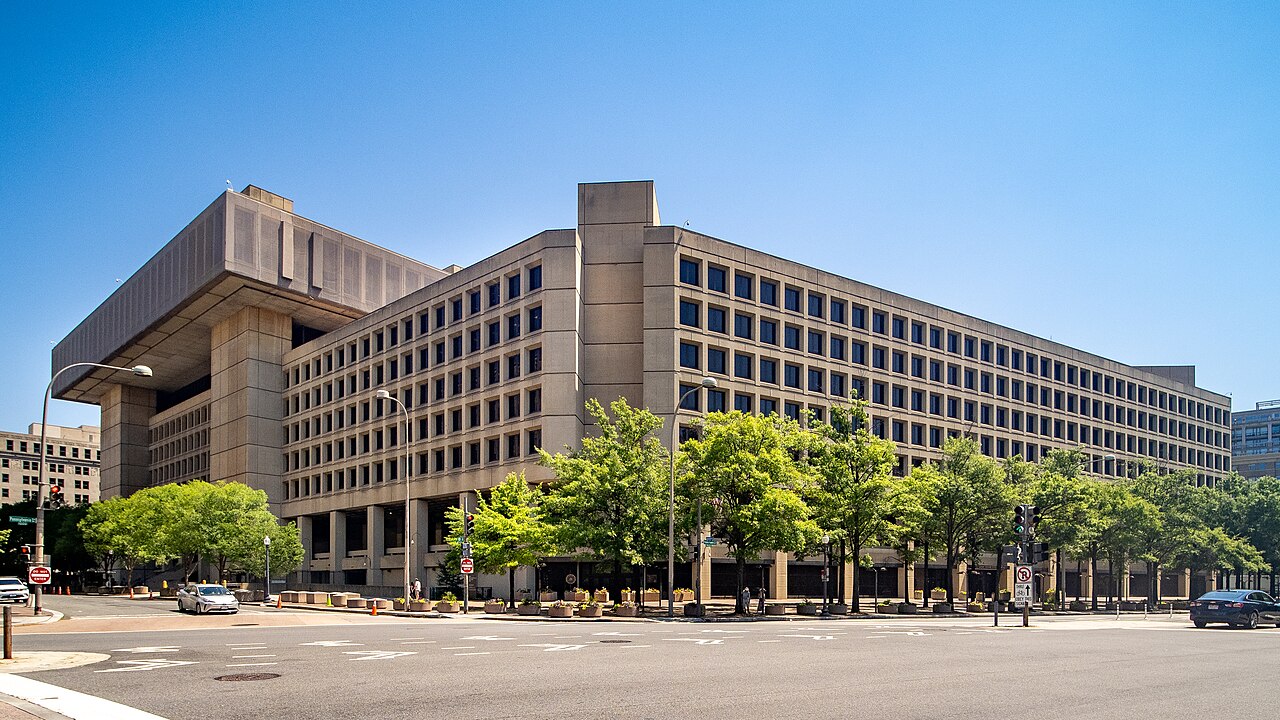
The ShinyHunters FBI breach claim is serious, but it is not yet a confirmed account of a compromise spanning the bureau’s internal systems. On September 22, the digital-extortion group said on its dark-web site that it had breached the FBI and obtained sensitive information on “almost ALL FBI Agents” as well as people who had applied for bureau jobs. The FBI’s public response was narrower: “The FBI is aware of claims regarding unauthorized activity affecting FBIjobs.gov and is currently investigating.”
There is evidence that deserves scrutiny. The Special Agent Applicant Portal was unavailable on September 22. 404 Media reported that FBIjobs.gov was temporarily defaced with a fake ShinyHunters seizure notice. The group also offered journalists a sample of roughly 5,000 records containing names, addresses, phone numbers, dates of birth and, in some cases, Social Security numbers and family or spouse information.
Reuters checked the sample against credit information and previously leaked data held by a cybersecurity research firm. It found at least nine apparent matches, including details associated with FBI Director Kash Patel, but could not establish that the records came from FBI internal systems. That boundary is the central finding: some information appears to describe real people, while the source, freshness, completeness and route of acquisition remain unresolved.
Why this matters
The immediate risk does not depend on proving every part of the hackers’ story. Accurate personal records can be harmful even when the larger breach claim is disputed.
People
Home, contact, identity and family details can enable targeted impersonation, harassment or pressure against employees and applicants.
Operations
A recruiting-system incident can affect hiring, vetting and trust even if investigators ultimately find that core investigative networks were not reached.
Evidence
Matching records to real people establishes plausibility, not provenance. Previously leaked or aggregated information can also contain accurate details.
Public confidence
The FBI must investigate a claimed compromise while protecting potential victims and avoiding premature conclusions that amplify an attacker’s narrative.
What the hackers say they took
ShinyHunters’ public claim has three layers. First, it said it possessed data on almost all FBI agents and job applicants. Second, it put the alleged full collection at 2TB–3TB. Third, it said access came through a new zero-day vulnerability in Oracle PeopleSoft. None of those three claims has been independently established.
The approximately 5,000-record sample is the tangible part journalists could examine. Reports describe names, home addresses, phone numbers, dates of birth and, in some instances, Social Security numbers, job information and details about spouses or other family members. Reuters’ partial matches show that at least some entries align with information associated with the named people. They do not show when the material was assembled, whether every field is current, or whether a breach of an FBI-controlled database produced it.
This distinction matters in any report that says FBI hacked, data stolen. Attackers can mix newly obtained records with old leaks, publicly available material or information from third parties. A correct phone number proves that the number and the name are linked; it does not by itself identify the server from which the pairing came. Establishing origin requires technical evidence such as access logs, forensic images, database artifacts and a documented chain from the affected system to the sample.
The defacement and outage provide a separate signal. A fake seizure notice on a public-facing recruiting site shows that somebody may have been able to alter what visitors saw, but web defacement can result from access to a site layer without access to every connected personnel system. The Special Agent Applicant Portal’s unavailability is consistent with a defensive shutdown, disruption or maintenance response. It does not, on its own, measure what data was viewed or removed.
FBIjobs.gov hack defaced: the portal is not the whole bureau
The FBI statement specifically referenced unauthorized activity affecting FBIjobs.gov. It did not confirm that the attackers accessed the bureau’s investigative case files, intelligence holdings or broader internal network. That careful wording leaves open several possibilities, from a limited website incident to a compromise involving recruiting data. Only the investigation can narrow the range.
The recruiting environment is still consequential. The FBI seeks more than 14,000 special agents and roughly 3,000 intelligence analysts in its fiscal 2027 budget, and it received more than 48,000 special-agent applications across 2022 and 2023. Those figures do not reveal the size of any exposed database, but they illustrate why job-application systems can hold a large and sensitive population of records.
Applicants may have supplied information that is useful for identity checks, background work and contact with candidates. Even if the affected population proves smaller than advertised, exposure can matter for people who never became employees as well as for current or former personnel. That is why the phrase FBI job applicants data stolen must remain an allegation until investigators determine what repository was reached and which records left it.

Oracle PeopleSoft zero day hack claim remains unverified
ShinyHunters said it entered through a previously unknown flaw in Oracle PeopleSoft. A zero-day is a vulnerability for which defenders have had no advance opportunity to apply a fix before exploitation begins. If that account were established, it would expand the incident beyond a question about one website and raise urgent questions for other PeopleSoft operators.
At present, however, the Oracle PeopleSoft zero day hack is the attackers’ explanation, not a verified technical finding. No public evidence in the reviewed reporting proves the vulnerability, identifies a patch or demonstrates the path from the alleged flaw to the sampled records. Organizations that use PeopleSoft have reason to watch vendor and government notices closely, but they should not treat an anonymous group’s account as a substitute for indicators of compromise or a confirmed advisory.
The same caution applies to the 2TB–3TB figure. A volume claim sounds precise while saying little about unique people, the number of databases or the sensitivity of each file. Backups, duplicate exports, system images and ordinary software can inflate storage totals. Until investigators describe the material and its origin, the number is best understood as part of ShinyHunters’ claim, not a measurement of confirmed loss.
Who is ShinyHunters, the hacker group behind the claim?
ShinyHunters is a prolific digital-extortion group. In a May 2026 advisory, the FBI said the group targets major technology, finance and retail companies and often steals millions of records. Subsequent attacks affecting healthcare organizations prompted an industry group to call ShinyHunters a “clear and present danger to the global health sector.” Those facts establish why investigators and potential victims take the name seriously; they do not authenticate this particular allegation.
The group said the FBI attack was retaliation for that May advisory. It said it was “offended,” denied that money was the motive and demanded that the advisory be removed or revised within seven days. Those statements should be read as messaging from the alleged attacker. They may explain how ShinyHunters wants the operation perceived, but they are not independent evidence of motive, capability or access.
Extortion groups benefit when their claims dominate the news cycle before defenders complete forensic work. Publicity can pressure an organization, unsettle employees and create a perception of inevitability. A careful account therefore has to do two things at once: report the potential danger to real people and refuse to convert a threat actor’s promotional language into settled fact.
Real people’s information appears in the sample. The origin and claimed scale remain unproven.
What the numbers mean—and what they do not
- Roughly 5,000 sample records: a substantial set for verification, but not proof of the alleged full collection. A sample can establish that some entries exist without showing that it is representative.
- At least nine partial matches: Reuters found details that appeared to align, including information associated with Kash Patel. The check supports authenticity of parts of those entries, not their source.
- “Almost all” agents: the phrase comes from ShinyHunters. No confirmed denominator or complete roster has been produced publicly.
- 2TB–3TB: an unverified storage estimate supplied by the group. Volume does not equal a count of unique victims.
- More than 14,000 agents sought: the FBI’s fiscal 2027 budget request illustrates the scale of planned special-agent staffing, not the number affected by this incident.
- More than 48,000 recent applicants: applications across 2022–2023 show the potential breadth of a recruiting-data population, but not that those applications are in the sample or alleged haul.
- Seven days: the deadline ShinyHunters attached to its demand that the FBI revise or remove its advisory. It is an attacker-imposed ultimatum, not an investigative timetable.
Winners, losers and the information contest
There may be no legitimate winner. The clearest potential losers are the people whose details appear in the sample. Even uncertain provenance does not protect someone from impersonation, harassment or a more convincing social-engineering attempt. Applicants can face risk without ever having joined the bureau, and family members can be affected by fields they did not provide themselves.
The FBI and its recruiting operation also face costs. Portal disruption can delay applications, increase support work and make candidates question how their records are handled. If the incident is limited, the bureau still has to demonstrate that boundary credibly. If it is broader, notification and remediation become larger.
ShinyHunters gains attention if its framing is repeated faster than evidence is tested. But overclaiming can also damage the group’s credibility if forensic findings show a smaller or different compromise. Defenders and the public benefit from transparent, technically specific findings: which service was accessed, when access began, what records were present, what data left, and what has been done for affected people.
A dated timeline
- The FBI receives more than 48,000 special-agent applications across the two years.
- CNN later reports a separate suspected incident affecting a sensitive FBI network used for wiretaps and intelligence-surveillance warrants. The reporting does not establish that it is connected to the ShinyHunters claim.
- The FBI issues an advisory describing ShinyHunters’ methods, targets and large-scale data theft. The group later cites the advisory as the reason for its claimed retaliation.
- ShinyHunters posts its claim, offers a roughly 5,000-record sample and says it holds data on almost all agents and applicants. FBIjobs.gov is reported temporarily defaced; the Special Agent Applicant Portal is unavailable.
- The FBI says it is aware of claims affecting FBIjobs.gov and is investigating. Reuters reports at least nine apparent matches but cannot establish that the records came from FBI systems.
- The public evidence still does not confirm the alleged 2TB–3TB scale or the claimed PeopleSoft zero-day route.
A separate March incident requires a separate evidentiary trail
CNN reported a suspected March 2026 incident affecting a sensitive FBI network used for wiretaps and intelligence-surveillance warrants. That report heightens concern about the bureau’s defensive environment, but it should not be folded into the ShinyHunters story without evidence connecting the two. Different systems, actors and methods may be involved.
Investigators will need to determine whether the September activity was confined to FBIjobs.gov and connected recruiting services, whether other systems were reachable, and whether any overlap exists with earlier events. Until then, combining incidents would create a broader narrative than the public facts support.
What happens next: three clearly labeled scenarios
Scenario 1 — limited web or recruiting-system compromise. Investigators could find that an attacker altered the public site or accessed a bounded application environment without reaching wider FBI networks. The sample might still contain sensitive applicant or personnel information, requiring notification and protection, while the largest claims remain unsupported.
Scenario 2 — broader personnel-data exposure. Forensic evidence could connect a larger set of records to FBI-controlled systems. That would raise the urgency of identity protection, physical-security reviews, applicant outreach and a public accounting of the affected repositories.
Scenario 3 — mixed or recycled data paired with a visible intrusion. The accurate entries could prove to be assembled partly from earlier leaks or outside sources, while the defacement supplies credibility to an exaggerated story. That would still leave a real security incident to explain, but not the one-to-one validation of every ShinyHunters claim.
Unresolved questions investigators must answer
The first question is provenance: did the sample come from an FBI-controlled database, a contractor, an applicant-facing service, an earlier breach or a mixture of sources? The second is scope: how many unique people are represented, which categories of records were accessed, and whether the material includes current, former and prospective personnel.
The third is intrusion method. A confirmed PeopleSoft flaw should produce technical indicators, affected versions, a mitigation path and a timeline. The fourth is duration: investigators need to establish when unauthorized access began, when it was detected and when the relevant services were isolated. The fifth is harm: potentially affected people need to know which fields were exposed and what protective steps fit the actual data.
Finally, the FBI will have to explain the relationship, if any, between the public-site defacement, portal unavailability and the records offered to journalists. Those events may be parts of one intrusion, or they may differ in access and significance. The evidence—not the attacker’s branding—must connect them.
Related Signal Post News coverage
- Berlin’s Rhysida ransomware case: how public institutions measure exposure
- Greenberg Traurig breach litigation and the cost of uncertain scope
- How to report an unverified ransomware data-theft claim
Reporting basis: This analysis draws on CNN; Reuters reporting carried by TBS News; 404 Media; Cybernews; The Hacker News; and the TBS News syndication page. Source pages were reviewed September 23, 2026. Where reporting differs on counts, this article uses the more conservative figure supplied in the reporting brief and labels partial verification precisely.