Fashion / Markets — Europe’s six largest listed luxury companies have lost a combined €251 billion in market value this year, the Financial Times reported on October 25, 2026 — about $270 billion gone, as the Chinese customer who powered a decade of growth pulls back. Two names, LVMH and Hermès, account for roughly €225 billion of the damage between them.
Track it live: Live markets tracker
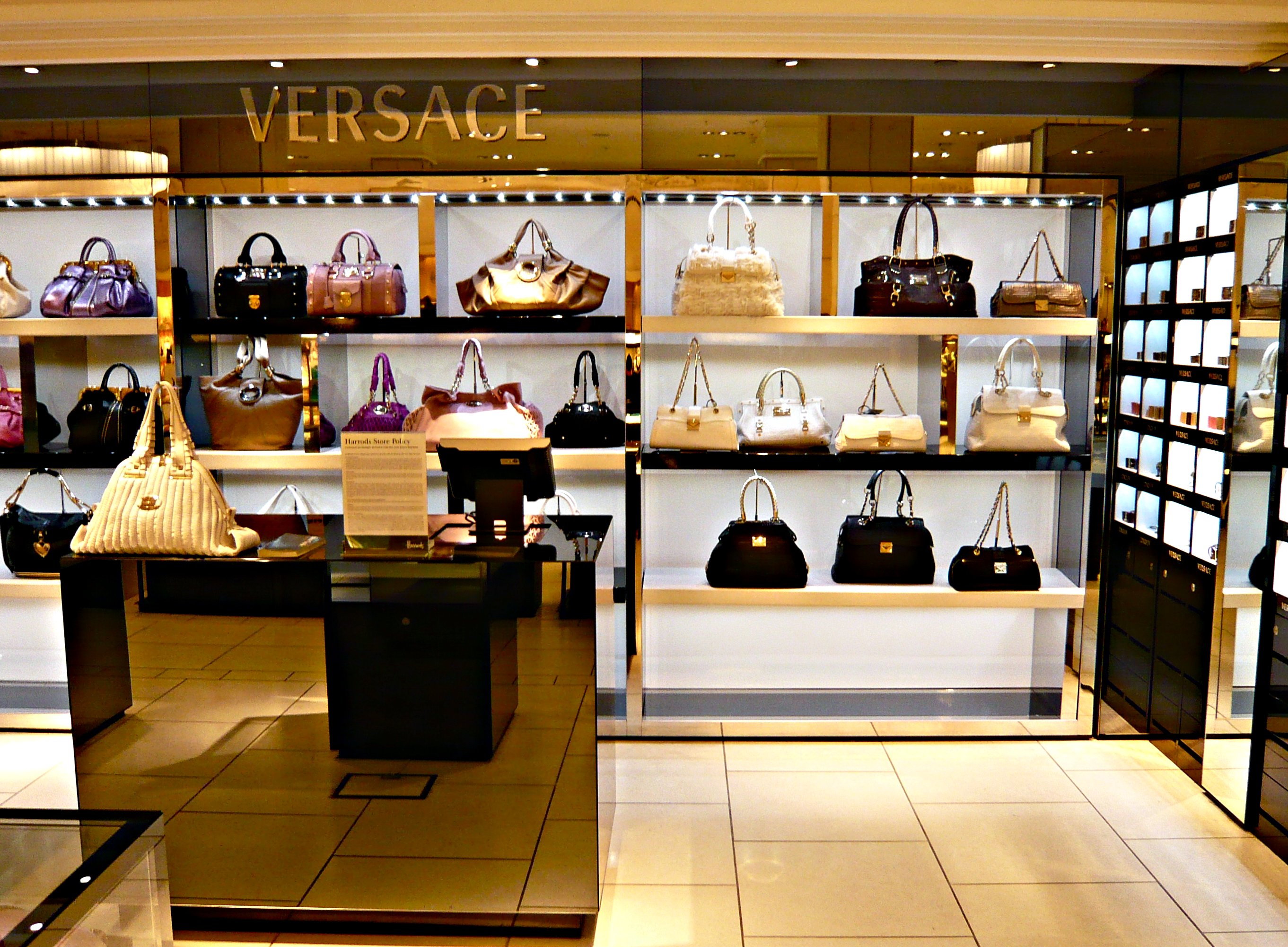
The headline figure in the luxury groups lose 251 billion story is so large it needs unpacking before it means anything. The Financial Times reported on October 25, 2026 that Europe’s six largest listed luxury companies have shed a combined €251 billion in market value this year — roughly $270 billion at current exchange rates. This is not a bad week or a single profit warning. It is the market systematically repricing an entire industry whose growth model, built over more than a decade on one customer in one country, has stalled. LVMH, the conglomerate behind Louis Vuitton and Dior, accounts for €131.6 billion of the loss on its own. Hermès, the family-controlled maker of the Birkin bag, accounts for €93.3 billion. Together the two French houses make up about €224.9 billion of the €251 billion total — nearly ninety cents of every euro lost. Kering, Richemont, Prada and Moncler complete the six, each caught in the same downdraft to differing degrees.
The customer who left: China
Every thread in this story runs back to China, and the macroeconomic backdrop is unforgiving. China’s monthly retail sales growth has averaged less than 0.5 per cent over the past six months — in an economy that once posted double-digit retail growth as a matter of routine, a figure like that describes a consumer who has effectively stopped spending more. Two wealth shocks sit underneath it. The property slump has eroded the asset that anchors middle- and upper-class household balance sheets across China, and the savings parked in homes were the quiet funding source for a great deal of aspirational luxury buying. Poor stock-market performance has compounded the damage at the top end. Market reporting summarising the FT’s story also cites a 20 per cent levy on offshore assets in the crackdown environment, dampening spending by the ultra-high-net-worth individuals whose purchases of high jewellery, watches and couture set the tone for the whole sector. When the richest clients feel poorer, watched and taxed, they do not trade down to cheaper handbags. They simply stop.
The third quarter made it worse
What turned a difficult year into a repricing was the third-quarter evidence that the slowdown is deepening rather than bottoming. LVMH reported that sales at its fashion and leather goods division — the engine of the group — fell by a mid-teens percentage among Chinese clients globally, a measure that captures both spending inside China and the once-enormous flow of Chinese tourist shopping in Paris, Milan and Tokyo. Kering, owner of Gucci, reported a drop of 15 to 20 per cent in sales to Chinese consumers across the group, and said the decline was worse than in the previous quarter. Hermès, long treated by investors as the sector’s fortress, signalled pressure of its own: its ready-to-wear and accessories division posted a 2 per cent decline in global sales. Results this month from LVMH, Hermès and Kering all missed market expectations that had already been lowered — the detail that most unnerves investors, because it means the analysts’ models are still chasing the downturn rather than pricing it. The FT notes that the sector now trades at its lowest valuation multiples in over a decade. The market is no longer paying for the old growth story at any price; increasingly, it is declining to pay for it at all.
A note on the numbers, because two big figures are circulating and they can look contradictory. Earlier October reporting put the losses at about $350 billion across Europe’s ten largest listed luxury companies since the start of 2026. The FT’s figure is €251 billion — about $270 billion — across the six largest. Different scope, different currency, same direction: the wider list captures more companies, the narrower list captures the giants, and the two are consistent rather than competing. If anything, the six-company figure is the more alarming of the two, because it shows the losses concentrating at the very top of the industry, in the houses that were supposed to be too diversified, too desired and too well managed to suffer like this.
Not all luxury is exposed equally
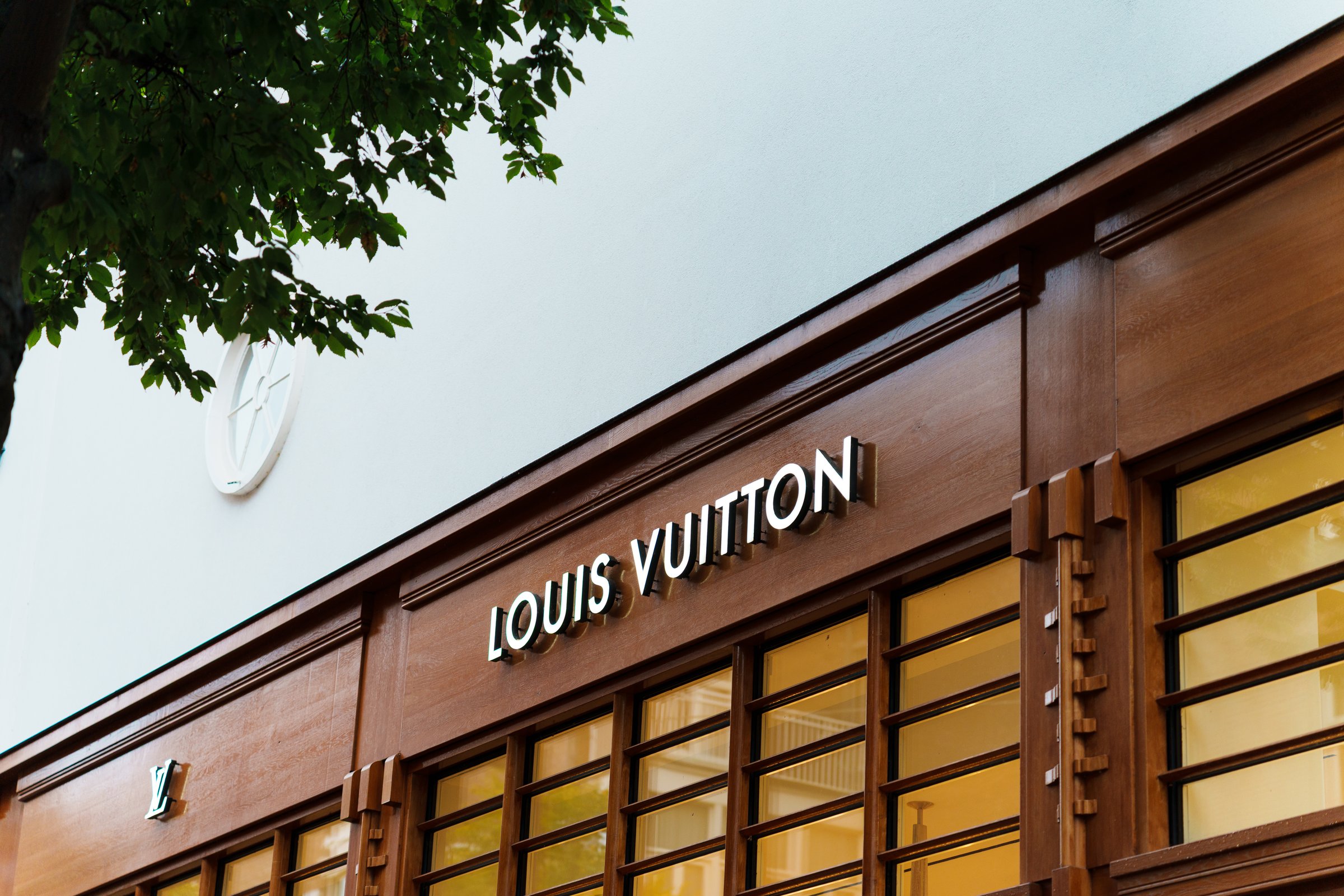
Within the wreckage there is a hierarchy of pain, and it follows the product. Fashion and leather goods — the categories LVMH’s biggest division and Kering’s Gucci live on — are the most exposed, because they depend on repeat purchases by aspirational customers who buy several times a year and stop the moment confidence cracks. Hard luxury has proved more resilient: Richemont, whose weight sits in jewellery and watches through houses such as Cartier, was relatively insulated in earlier reporting, because a high-jewellery client buying for a wedding, an anniversary or a store of value behaves differently from a fashion client buying the season’s silhouette. Hermès sits awkwardly between the two worlds — its leather goods carry fashion-level exposure, but its scarcity model, waiting lists and refusal to chase volume have historically defended both its margins and its share price, which is precisely why its €93.3 billion share of the losses matters: the fortress is not under siege, but it is no longer outside the war. The contrast with the industry’s public-facing glamour is sharp — this is the same sector that filled October’s fashion calendar, from the Victoria’s Secret fashion show runway onward, even as its listed valuations were being marked down by the week.
Why this matters
For more than a decade, China was not merely luxury’s biggest market; it was the industry’s marginal buyer — the source of nearly all its growth, the justification for its store openings, its price rises and its ever-richer valuations. An industry can survive its largest market maturing. What it cannot easily survive is discovering that its growth engine was a credit-and-property cycle wearing a consumer’s clothes. Chinese luxury demand rode the same property wealth that is now deflating, which means the brands are exposed to the Chinese housing market in a way their annual reports never quite stated. The second-order effects reach well beyond handbags: European luxury is a pillar of the French and Italian trade balances, a top-tier employer of artisans and retail workers, and a heavyweight in the indices that European pension funds hold — the same broad consumer weakness visible in measures such as US consumer sentiment sitting near record lows, now arriving from the opposite side of the world. And there is a strategic trap waiting for any board that panics. Discounting would move product this quarter and destroy the only asset these companies truly own — the belief that their prices only go up. Every chief executive in the sector knows that the 2026 markdown is purchased with the 2036 brand. That is why the credible playbooks are defensive and patient: protect the price architecture, build certified pre-owned channels that monetise the secondary market without touching primary prices, and chase the demand that still exists — in the United States, where LVMH’s earlier reporting showed sales rising, and in the Middle East, where wealth effects are running the other way.
What happens next
The next test arrives with the holiday quarter, the season that decides luxury’s year, and with any signal from Beijing that consumer support is coming at a scale that changes household behaviour rather than headlines. Watch three things. First, whether the Chinese-client declines at LVMH and Kering narrow or widen in the fourth quarter — a second consecutive deterioration would end the argument that this is a soft patch. Second, whether Hermès’s softer divisions spread or stabilise, since its shares carry the sector’s last defensive premium. Third, whether any major house breaks ranks on price — a visible discounting move by a top-tier brand would be read not as promotion but as surrender, and would likely take the sector’s remaining valuation premium with it. The €251 billion already gone says the market believes the China decade is over. What it has not yet decided — and what the next two quarters will settle — is whether what replaces it is a smaller, slower, still-profitable industry, or a long derating with further to run.