Hasan Piker Cornell
US / Campus / Culture
The Twitch streamer’s September 24 appearance drew roughly 450 students, a national political rebuke and fresh scrutiny of how universities apply free-speech rules amid pressure over antisemitism.
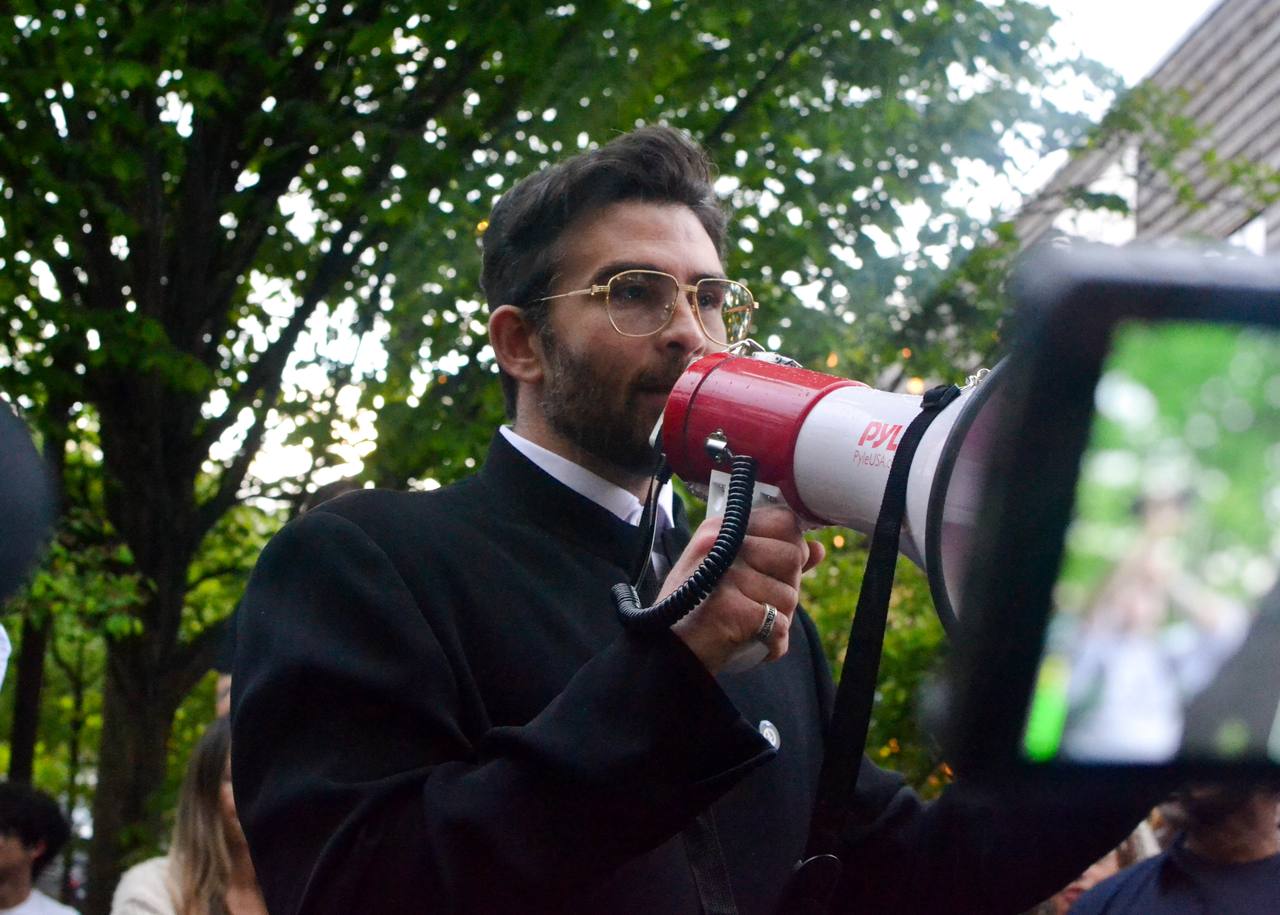
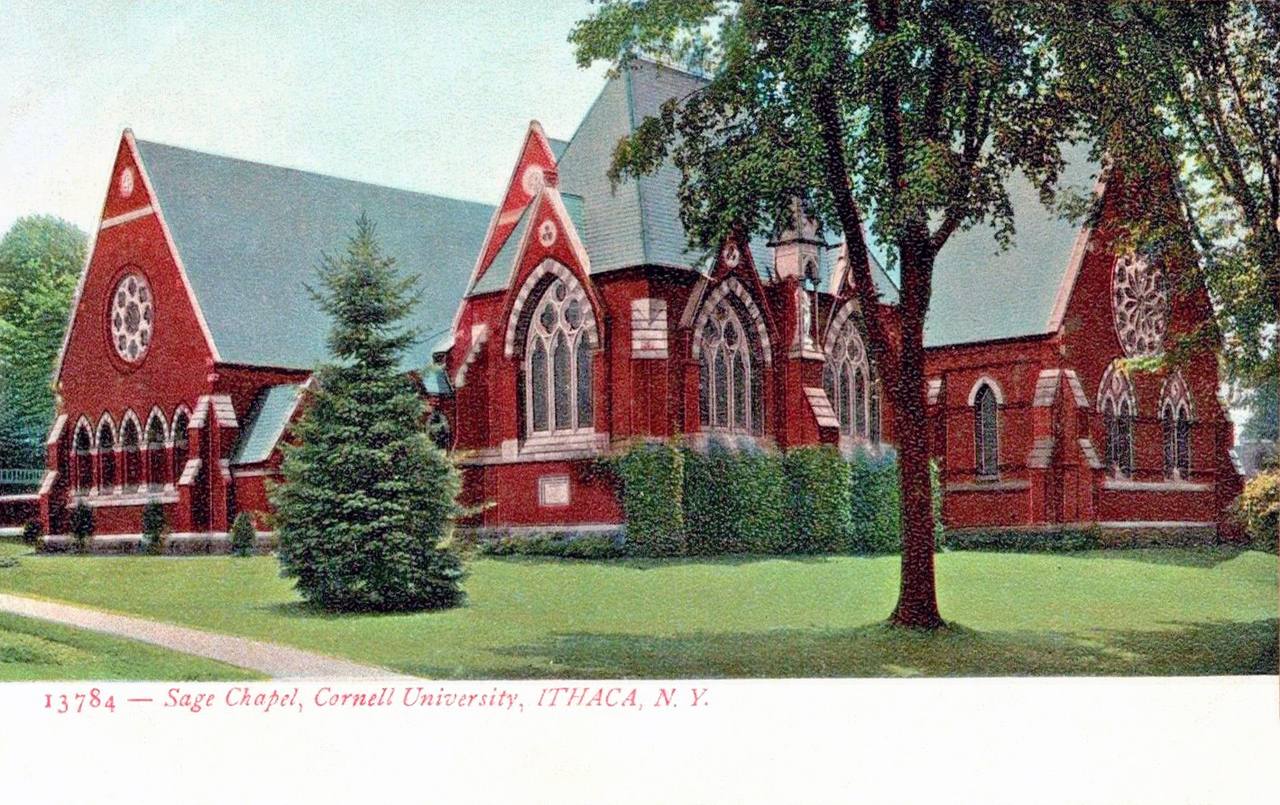
Hasan Piker Cornell organizers brought one of online politics’ largest personalities into Sage Chapel on Thursday, September 24, for an event that quickly became larger than its audience. Piker, 35, spoke to about 450 students while roughly 26,000 people watched online. The flashpoint came at the close, when moderator Adriana Vink ’27 led a “from the river to the sea” chant and Piker joined, according to reports by the New York Post and The Cornell Daily Sun.
The phrase is embraced by many Palestinian-rights advocates as a demand for equal freedom across the territory between the Jordan River and the Mediterranean Sea. Many Jewish organizations and supporters of Israel hear it as a call to erase the Jewish state. That collision of meanings—not simply the presence of a controversial speaker—turned a campus program into a national argument about political expression, institutional responsibility and the boundaries of protest.
What happened at the Cornell Sage Chapel Hasan Piker event
The program was organized by Students Not Bombs, a coalition that includes Students for Justice in Palestine, Jewish Voice for Peace and Cornell’s chapter of the Young Democratic Socialists of America. The group has been pressing Cornell to divest from companies tied to Israel. Security was unusually visible: Cornell University Police monitored entrances and exits, attendees passed through metal detectors, bags were prohibited and Cornell identification cards were swiped.
Assistant Dean Michelle Guinyard opened by reminding attendees of Cornell’s Expressive Activity Policy. Piker then spoke about democratic-socialist organizing, the momentum of the Democratic Socialists of America and what he called “the end of Zionism.” He also addressed critics of his rhetoric. The closing chant, rather than the broader discussion, became the defining clip.
SAFE Campus, an outside advocacy organization focused on campus antisemitism, had urged Cornell to cancel the appearance. Cornellians for Israel and Cornell Hillel later condemned the invitation and the chant, while organizers defended the event as protected political speech. Those competing reactions are central to the story: the dispute is not over whether the words were spoken, but over what they mean and what a university should do when protected expression is experienced by part of its community as threatening.
Why the Hasan Piker from the river to the sea chant matters
The event landed at an especially sensitive moment. On the same day in New York, Israeli Prime Minister Benjamin Netanyahu used his United Nations General Assembly address to denounce Piker by name. That rare attack by a head of government elevated a campus appearance into an international political confrontation. Piker has also been associated in public debate with New York Mayor Zohran Mamdani, another democratic socialist frequently criticized over his Israel rhetoric, giving opponents a broader movement frame for the episode.
That framing should not flatten the distinctions. Piker is an independent media personality with 3.1 million Twitch followers, not a Cornell official or elected policymaker. Students Not Bombs is a campus coalition, and Cornell’s decision to permit the event is not an endorsement of its content. Netanyahu’s criticism, meanwhile, was political speech of his own. The significance lies in how each actor used the moment: organizers to advance divestment, Piker to energize an audience, critics to warn about antisemitism and national politicians to define a larger ideological conflict.
The free-speech test—and the Jewish-student test
Universities face two obligations that are easy to describe but difficult to reconcile. They should protect lawful speech, including speech that is sharp, unpopular or offensive. They also must enforce conduct rules consistently and maintain an environment in which Jewish, Muslim, Israeli, Palestinian and other students can study without harassment or exclusion.
The best measure is conduct rather than viewpoint. A rule against disrupting classes, blocking access or targeting individuals can be applied neutrally. A rule that punishes only one side’s political language is harder to defend. Cornell’s security procedures and opening policy warning suggest an effort to separate permission to speak from permission to threaten or disrupt. Whether students experience that distinction as credible depends on what the university does after the cameras leave—not only at high-profile events.
Federal leverage after the Cornell antisemitism settlement
The backdrop raises the stakes. Cornell paid a $60 million settlement resolving federal antisemitism investigations, and roughly $250 million in research funding was unfrozen. That history means campus decisions are now read through two lenses at once: as First Amendment and academic-freedom questions, and as evidence in a continuing debate over whether the university is meeting civil-rights obligations.
Federal leverage can force institutions to investigate discrimination and document compliance. It can also create incentives to avoid controversial speakers rather than apply clear rules. For Cornell, the more defensible path is transparent consistency: explain who sponsored the event, what security and conduct rules applied, whether violations occurred, and how complaints will be assessed. Alumni demanding answers are likely to focus less on the abstract legality of the talk than on whether the administration’s standards are the same across speakers and causes.
Movement politics, media incentives and the Piker–Netanyahu–UNGA collision
The episode also illustrates how campus politics now moves through national media. A line spoken in a chapel can be clipped, captioned and circulated to an audience far larger than the room within minutes. Piker’s digital scale rewards confrontation; Netanyahu’s UN platform amplifies it further; partisan outlets then select the fragment that best fits their audience’s existing interpretation.
That attention economy creates incentives for maximal language. Organizers gain reach, critics gain evidence of danger, and platforms gain engagement. The cost is context. Viewers may see the chant without the security measures, the policy warning or the substantive discussion. Others may see only a free-speech controversy and miss why Jewish students regard the phrase as menacing. Responsible coverage has to hold both facts at once.
The timing also connected the Ithaca event to a wider campaign calendar. Representative Alexandria Ocasio-Cortez had an Ithaca town hall scheduled for Sunday, and former Representative Beto O’Rourke appeared at Cornell on Friday. Neither event establishes coordination with Piker’s appearance, but together they show why upstate New York had become a high-visibility stop for national figures and movements.
The numbers in context
The gap between the room and the stream is the clearest measure of influence. About 450 people could attend in person, but approximately 26,000 watched online—nearly 58 remote viewers for every seat in Sage Chapel. Piker’s 3.1 million Twitch followers make that scale unsurprising, yet it changes the university’s risk calculus. A local program now functions as broadcast content, with reputational effects detached from campus geography.
The money is also consequential. The $60 million settlement and the roughly $250 million in previously frozen research funding dwarf the operational cost of one event. They explain why donors, trustees and federal officials will interpret the controversy as part of institutional governance, not simply student programming.
What happens next
Three scenarios are plausible. First, Cornell may treat the matter as a completed, protected event, reviewing only whether its conduct rules were followed. Second, trustees, alumni or federal officials may press for a formal explanation of sponsorship, security and policy enforcement. Third, the controversy may become a test case in a broader campaign to condition university funding on how schools respond to contested political speech.
The durable question is not whether controversial speakers will keep coming; they will. It is whether Cornell can articulate a rule that protects expression without minimizing the safety concerns of Jewish students or allowing political pressure to dictate which lawful viewpoints can be heard. The university’s answer will matter well beyond Sage Chapel because campuses are increasingly where movement politics, government leverage and the digital attention economy meet.
What to watch: any Cornell review of the event; responses from university leadership and trustees; possible federal scrutiny; and whether organizers or critics release fuller video that adds context to the widely circulated closing clip.