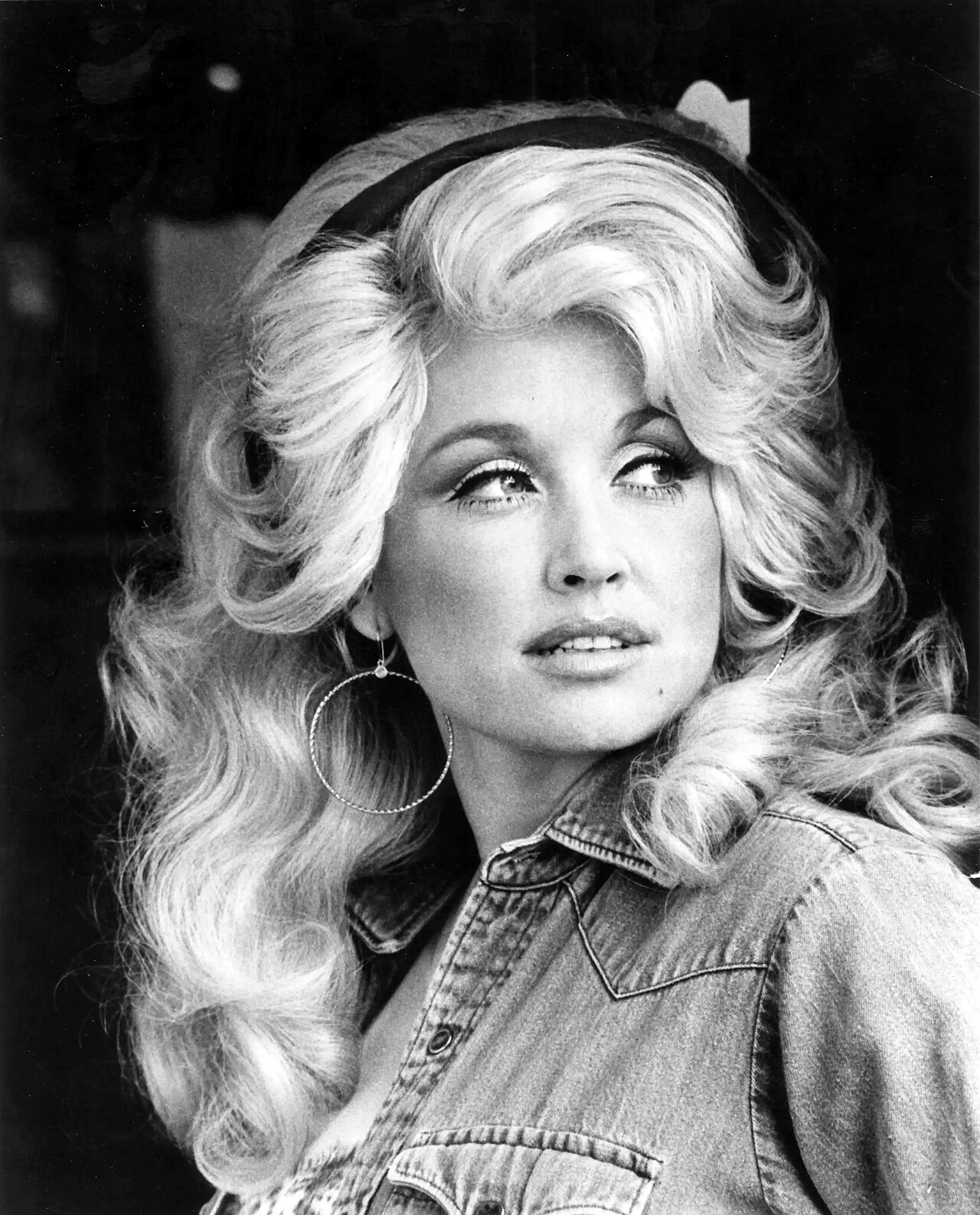
A Tennessee judge granted Dolly Parton's estate a temporary restraining order on Wednesday against the late country music icon's nephew, Bryan Seaver, after court filings accused him of a weeks-long campaign of threats against her staff and business partners — an extraordinary fracture inside one of the most carefully managed estates in music, less than a month after Parton's death from cancer.
The order, granted Wednesday afternoon by Davidson County Chancellor I'Ashea Myles in Nashville, bars Seaver and his private security company, Squadron Augmented Protection Services, from talking with or being within 1,000 feet of the employees, attorneys, and business partners of She's Alive LLC — the entity Parton herself created to manage and protect her professional property and business interests. The order also prohibits Seaver from interfering with the estate's business relationships. A hearing is scheduled for October 7, when the court will decide whether to extend or broaden the protections.
She's Alive filed the complaint on Tuesday, September 22. In court documents reviewed by CNN, the Associated Press, and USA Today, the estate accused Seaver of "threatening to commit violence and destroy his aunt's legacy and business empire." The lawsuit calls for Seaver to stay at least 1,000 feet away from She's Alive's offices, staff, and associates.
The filings describe, in unusual detail, a campaign of intimidation. "Mr. Seaver began his campaign of threats, intimidation, and coercion a few weeks prior to Ms. Parton's passing," one filing states, according to USA Today. In writing, Seaver allegedly vowed to "destroy the entire brand" and told her entertainment attorney: "I'm not an entertainment person. I'm a killer." Screenshots of texts and an email attributed to Seaver were attached as exhibits; in one, he wrote, "All I do is warfare."
The estate says Seaver demanded payment and threatened staff and brand partners if his demands were not met — invoking what the filings describe as his military-contractor background, access to weapons, and capacity for violence. He allegedly threatened to launch a podcast about supposed wrongdoing inside her businesses, a move the estate characterized as an attempt to damage the Parton brand. According to the court papers, some employees have resigned or stopped coming to work because they do not feel safe.
Seaver, who did not respond to emails from the Associated Press and USA Today seeking comment, has not yet told his side in court. The allegations have not been proven, and no one appeared on his behalf at his company's Nashville office when reporters visited Wednesday afternoon. Any serious account of this dispute has to hold that fact firmly: everything so far is the estate's account, granted at the temporary stage where judges act quickly to prevent harm before a full hearing.
The personal dimension is what makes this story sting. Seaver was not some distant relative. He served as Parton's head of security for more than two decades, ran the company that provided her security detail, and was handpicked by Parton herself — years earlier — to be the one to announce her death to the world when the time came. That moment arrived last month, when Seaver appeared in a solemn video on Parton's social media accounts to deliver the news that she had died of cancer. For the public, he was the face of the farewell. For the estate's lawyers, he is now the threat.
WHY THIS MATTERS — the deeper significance
Celebrity estate battles are usually about money — who gets the house, who controls the catalog. This one is different, and more revealing. Dolly Parton spent her final years doing exactly what estate planners beg wealthy artists to do: she set up a dedicated corporate vehicle, She's Alive LLC, run by her longtime manager Danny Nozell, precisely to protect her name and businesses after she was gone. The entity was designed to make disputes impossible. That it is now in court, three weeks after her death, suing the very nephew she trusted with her final announcement, tells us something uncomfortable: no amount of planning inoculates a legacy against the people closest to it.
The stakes are not sentimental alone. At the time of her death, Parton's estate was estimated to be worth between $450 million and $650 million — a working empire spanning her music catalog, the Dollywood parks, brand partnerships, books, films, and a new Tennessee travel stop, per The Tennessean. She's Alive is not a museum; it is an operating business with employees, attorneys, and commercial partners who, according to the filings, are now afraid to come to work. An estate in open conflict with its former security chief is not just a family tragedy — it is a business risk to every contract the entity manages.
BACKGROUND — how we got here
Parton died last month after a battle with cancer, at the close of one of the most extraordinary careers in American entertainment — singer, songwriter, actress, philanthropist, theme-park founder, and arguably the most beloved public figure in country music. Her team moved fast. Within weeks, She's Alive — the entity she had laid out to protect her legacy — was up and running under Nozell, the manager widely credited with revitalizing her touring career since 2005 and building her late-career run of albums, partnerships, and the Imagination Library's global expansion.
Seaver, meanwhile, says he worked for private military contractors overseas during the Iraq War, and he has, per the lawsuit, invoked that background throughout the dispute. The filings say the threats began a few weeks before Parton's death — while the family was grieving privately, the conflict was apparently already building. Days before the lawsuit, Seaver and his companies were dismissed from protecting Parton's properties. That dismissal, the filings suggest, was the trigger for escalation: demands for money, threats against brand partners, and the alleged vow to destroy the brand he had spent twenty years guarding.
MULTIPLE ANGLES — winners, losers, and what each side will say
From the estate's perspective, this is a straightforward protective action: a former insider with self-described military training and claimed weapons access is making written threats against staff, and the law provides exactly one tool for that — a restraining order. Nozell, whose reputation as a steward of Parton's legacy is now on the line alongside the estate's, has every incentive to act decisively and publicly; hesitation would have invited the question of what he knew and when.
From Seaver's perspective — and we have only the filings to infer it so far — the shape of the dispute looks like a severance war gone radioactive. A man who gave twenty-plus years to protecting one of the most famous people on earth, who was asked to perform the most intimate public duty of announcing her death, is dismissed from his post within weeks and then finds himself described in court papers as a danger. If he has a counter-story — unpaid money, broken promises, a different reading of those messages — the October 7 hearing is where it lands. His silence so far, through two days of major-media coverage, is the loudest unanswered question in the case.
From the legal angle, the temporary order is exactly what it sounds like: temporary. Chancellor Myles took into account, per the AP, "the repeated threats cited in the complaint, as well as the alleged demands for payment and Seaver's 'claimed access to weapons, experience with violence, and intention to retaliate,'" describing the communications as "concerning." But the full evidentiary hearing — where Seaver can answer — will determine whether the restrictions continue, expand, or dissolve.
THE NUMBERS — what they actually imply
The $450–650 million estate estimate puts Parton's business among the largest individual celebrity estates in music history — a scale where a single destabilizing insider is not a nuisance but a material threat to revenue. The 1,000-foot distance the judge imposed is the standard Nashville protective radius, but symbolically it marks something else: the legal system treating a family member as a hazard. The October 7 hearing date — two weeks after the order — is the standard expedited window for temporary orders in Tennessee, which tells us the court took the urgency claim at face value but wants a full hearing fast.
CONTEXT — the pattern this fits
Music history is littered with estate wars — Prince's six-year probate battle, James Brown's decades of litigation, the fights over Aretha Franklin's handwritten wills. What distinguishes Parton's case is that she did the planning: the LLC, the chosen manager, the designated announcer. And yet here we are. The lesson for every working artist with a legacy to protect is a sobering one — structures hold only if the people inside them do, and the most dangerous disputes are rarely about the documents. They are about the people the documents trusted.
WHAT HAPPENS NEXT — scenarios
The October 7 hearing is the immediate pivot. Three plausible paths: the court extends or converts the order into a longer injunction while the civil case proceeds (most likely if the judge credits the written threats); the parties settle privately with a separation agreement and non-disparagement terms (the outcome She's Alive would almost certainly prefer, since litigation keeps the dispute in headlines); or Seaver mounts a defense that reframes the messages and the court narrows or dissolves the order. Watch, too, for whether Seaver breaks his silence — a podcast threat was alleged in the filings, and a public statement from him would be the story's next major development. Longer term, this case will be watched by estate planners and the entertainment business alike as a stress test of the LLC-vehicle model Parton chose. If even that structure ends up in chancery court within a month, the industry will want to know what went wrong — and who else is vulnerable.
More from Entertainment
- Hayden Panettiere's cause of death: what the coroner established
- Ella Langley breaks Mariah Carey's Hot 100 record
- Taylor Swift announces four new songs on Showgirl: The Encore
SOURCES
- CNN, “Dolly Parton's estate granted temporary restraining order against singer's nephew,” September 23, 2026
- Associated Press via WVLT, “Dolly Parton's nephew accused of threatening to destroy his aunt's legacy,” September 23, 2026
- USA Today, “Dolly Parton's nephew announced her death. Why her estate sought a restraining order,” September 23, 2026
- The Tennessean, “Dolly's security guard nephew threatening estate managers, lawsuit says,” September 23, 2026
Reporting basis: Court allegations have not been proven. This report reflects the temporary-order stage and preserves Seaver's opportunity to answer at the October 7 hearing.