
Primary topic: Arsenal Paris FC Williamson penalty
A two-goal lead disappears
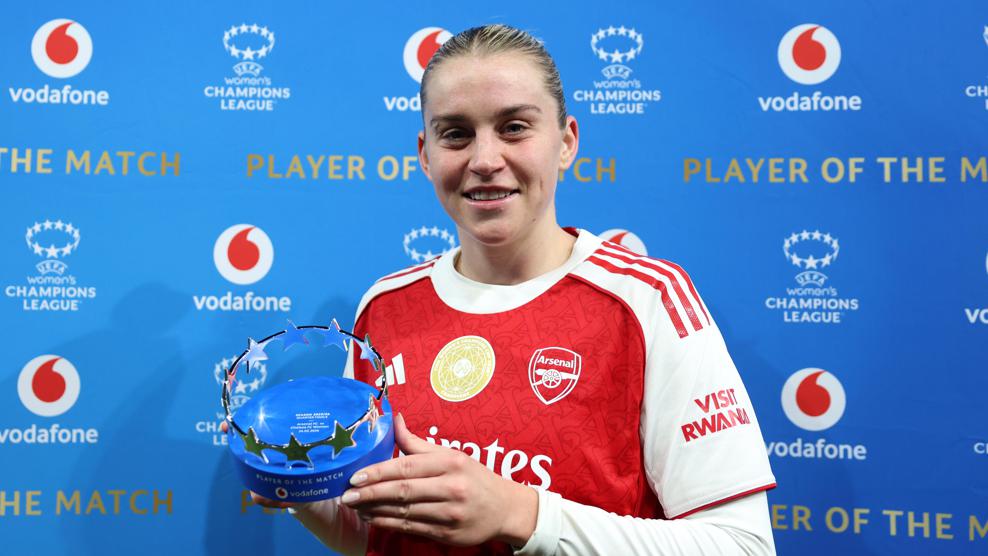
The Arsenal Paris FC Williamson penalty will be remembered because the mistake was so visible: Leah Williamson picked up the ball with her hand inside the area in the 86th minute, apparently believing play had stopped for a goal kick. The referee instead awarded a penalty, and Maeline Mendy converted to complete Paris FC’s comeback for a 2-2 draw. But reducing the match to one bewildering touch would miss the deeper story. Arsenal had led 2-0 through Alessia Russo and Georgia Stanway and still failed to close the game.
Clara Mateo’s earlier goal gave Paris FC belief and changed the emotional temperature. At 2-0, Arsenal could choose when to accelerate. At 2-1, every loose clearance and delayed restart carried danger. Paris pressed with the freedom of a team that had already escaped the expected result, while Arsenal’s decision-making became cautious without becoming controlled. Williamson’s handball was the decisive act, yet it occurred inside a game that Arsenal had allowed to become unstable.
The draw matters in a league-phase competition because points, goal difference and seeding accumulate before the knockout rounds. Two dropped points cannot be recovered by arguing that the performance was good for an hour. Arsenal’s attacking work built a winning position; its game management surrendered it. For a club with European ambitions, that split is more important than the spectacle of the error itself.
The Williamson moment in context
Williamson is England’s captain and one of Arsenal’s most experienced defenders, which guarantees disproportionate scrutiny. Experience, however, does not eliminate perceptual errors. Defenders constantly process referee signals, teammate movement and boundary decisions at speed. A mistaken assumption that the ball is dead can happen to any player. What makes this moment exceptional is that the action—lifting the ball by hand—leaves no tactical ambiguity once play is judged live.
The proper analysis separates accountability from humiliation. Williamson made the error and Paris FC deserved the penalty. That does not make her career, leadership or broader performance fraudulent. Elite sport is difficult partly because an athlete’s body can execute a decision before the mind rechecks its premise. The lesson for Arsenal is procedural: defenders must wait for the whistle or an unmistakable signal, especially late in a close European match.
There is also a team responsibility. A 2-0 lead should create buffers against one individual mistake. Arsenal needed cleaner possession, better rest defense and fewer transitions after Mateo scored. If the final four minutes depend on every defender being flawless, the team has already failed to manage risk. Williamson’s handball was the last link in a chain, not the entire chain.
Why this matters for Arsenal
Arsenal are not measured merely by qualifying for Europe. Their standard is to contend for the trophy, and contenders learn how to reduce matches after building leads. That does not mean retreating into the penalty area. It means controlling territory, choosing low-risk passes, slowing restarts when appropriate and keeping enough attacking threat that the opponent cannot commit everyone forward. Against Paris FC, the balance deteriorated.
The psychological cost may exceed the two points if the response is poor. A late collapse can create hesitation: defenders clear earlier, midfielders stop offering risky angles and attackers drop too deep. The productive response is the opposite. Arsenal should review the triggers that allowed Paris FC back, isolate the specific communication failure and preserve the assertive football that created the 2-0 lead.
Coach Renee Slegers did not attend the post-match press conference, according to reports. The absence inevitably invited questions because the most difficult moment is when leadership is expected to explain. There may be context not yet public, so it should not be treated as proof of avoidance. Still, the club now needs a clear football explanation. Silence allows one player’s mistake to become the whole narrative.
Paris FC earned the opening
Comebacks require more than an opponent’s error. Paris FC stayed close enough to make the error valuable. Mateo’s goal mattered because it restored the possibility of an equalizer and forced Arsenal to feel the clock. Mendy then accepted the pressure of the penalty and scored. The visitors’ reward was not charity; it was the result of continuing to press after falling two goals behind.
Paris FC’s approach also exposes a broader feature of the expanded women’s Champions League: the established brands cannot assume that a favorable score will settle an ambitious opponent. More clubs are tactically organized, physically prepared and capable of exploiting moments. The gap between a dominant hour and a secure result is therefore widening. Arsenal discovered that a 2-0 lead is a platform, not a conclusion.
The point can become strategically valuable for Paris FC if it supports later qualification or seeding. Even if the table ultimately places the teams far apart, the draw offers proof that Paris can recover against a recent champion-level opponent. That belief affects future matches, particularly when the side concedes first.
Lyon Chelsea VAR stalemate
Elsewhere, OL Lyonnes and Chelsea drew 0-0 in a match shaped by interventions rather than goals. A Lauren James penalty decision was overturned after review, and Salma Paralluelo’s 70th-minute goal was ruled out for offside. Hannah Hampton’s goalkeeping helped Chelsea preserve the point. Sonia Bompastor’s return to Lyon added personal history to a contest already carrying heavyweight expectations.
The scoreline can look empty while the match remains rich in consequence. Chelsea survived stretches when Lyon’s movement pulled defenders out of their preferred shape. Lyon created the moment that appeared to break the deadlock, only for the offside process to erase it. Chelsea also experienced the emotional reversal of seeing a penalty award withdrawn. Both teams therefore left with evidence of competitiveness and frustration about the inches that prevented victory.
VAR’s role will dominate discussion because two potential scoring events changed. The correct standard is not whether review made the match less dramatic; it is whether the decisions were supported by the protocol and available images. Offside is especially unforgiving because a small positional advantage can negate an otherwise excellent move. The technology can improve accuracy while still producing an emotionally unsatisfying result.
The Matchday 2 scoreboard
The wider results showed the range of competitive gaps. Bayern Munich beat Benfica 3-0. Barcelona overwhelmed Roma 6-0. Paris Saint-Germain defeated OH Leuven 5-0. Manchester City and Real Madrid drew 1-1. Arsenal’s 2-2 and Lyon-Chelsea’s 0-0 therefore sat between two extremes: heavy favorites imposing themselves and elite opponents neutralizing one another.
Barcelona’s six-goal performance is the benchmark warning. In a standings system where goal difference can separate teams, a dominant win adds more than three points. It gives margin later. Arsenal’s lost lead does the opposite: two points disappear and the goal-difference benefit of a 2-0 score becomes neutral. That arithmetic is why late-game management matters even before the knockout bracket exists.
Manchester City’s draw with Real Madrid reinforces the idea that the English clubs’ route will not be automatic. Domestic strength provides resources and weekly intensity, but European opponents bring distinct rhythms and tactical problems. Bayern, Barcelona, Lyon and PSG all offer different versions of control. The tournament rewards clubs that can change method without losing identity.
Historical pressure on the holders and challengers
Arsenal’s European stature creates a paradox. Past success supplies confidence, but it also ensures that every lapse is measured against championship standards. A club that wants to own matches cannot excuse a draw solely as bad luck. The review must ask why the game became open, why the team did not regain territory after Mateo’s goal and whether substitutions improved control.
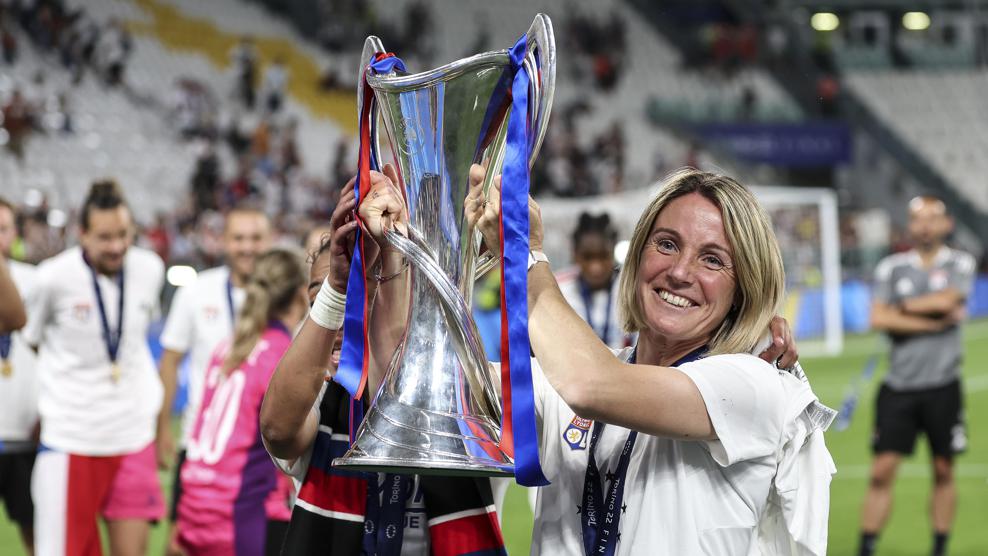
Lyon’s history produces a different pressure. The French club’s record in this competition means a goalless home draw against Chelsea can feel like a missed opportunity even when the performance is strong. Chelsea, meanwhile, have invested for the final step in Europe. Holding Lyon away from a winner is useful, but the disallowed and overturned moments show how narrow the distinction remains between resilience and defeat.
Women’s European football has evolved from a small group of repeat powers into a deeper field without losing its giants. That transition makes match management more valuable. Talent still creates leads. Structure protects them. Arsenal’s night is a case study in what happens when those two capabilities separate.
Winners, losers and critics
Mendy and Mateo are the clearest winners because they converted Paris FC’s persistence into a result. Hampton also leaves with enhanced standing after resisting Lyon. VAR officials will be defended by those who prioritize precise enforcement and criticized by viewers who see repeated review as an interruption. Both arguments should be grounded in the actual decisions rather than a general referendum on technology.
Williamson is the obvious individual loser of the news cycle, but Arsenal collectively lost the larger asset: control of the result. Slegers also faces questions about the press-conference absence and the late tactical response. Paris FC’s coaching staff gains credit for sustaining pressure rather than accepting a respectable defeat.
Critics of the league phase will point to lopsided scores such as 6-0 and 5-0. Supporters will point to Paris FC’s comeback and City’s draw with Madrid as evidence that the format creates meaningful cross-border tests. Both can be true. The task for UEFA is to preserve access while improving competitive balance through development, scheduling and revenue distribution.
What the numbers mean
A two-goal lead normally creates a high win probability, but probability is not possession. Once Paris FC scored, the remaining time became more valuable because the next goal would change the result rather than merely narrow it. Arsenal’s final-quarter decisions should be evaluated through that leverage. A low-risk action that seems conservative at 0-0 can be optimal at 2-1; an unnecessary restart assumption can be catastrophic.
The 86th-minute timing also compressed recovery. Had the equalizer arrived in the 60th minute, Arsenal would have had a full phase to rebuild. With only minutes left, the penalty effectively set the final state. That timing increases the visual blame on Williamson but does not erase the earlier period when Arsenal could have restored a two-goal margin or slowed Paris’s momentum.
For Lyon and Chelsea, zero goals does not imply zero attacking quality. Two overturned moments and Hampton’s saves suggest that expected scoring opportunities existed but did not become legal goals. Coaches will care less about the headline than the repeatability of chance creation. A team that repeatedly reaches dangerous positions is more likely to score next time than one that merely shares possession.
Forward look
Arsenal’s next response should be visible in behavior. Watch whether the midfield keeps the ball under pressure, whether fullbacks choose safer rest positions with a lead and whether communication continues until the whistle. A public defense of Williamson can coexist with internal accountability. The goal is not to erase the error; it is to prevent the team from organizing its identity around fear of another one.
Chelsea can leave Lyon with confidence in its defensive ceiling, but the attack still needs a clean decisive moment in future heavyweight games. Lyon will view the disallowed goal as proof that the structure worked and refine the timing. Barcelona’s six-goal statement makes every contender aware that merely avoiding defeat may not secure the best route through the competition.
The most important projection is competitive rather than emotional. If Arsenal treat the draw as a freak incident, the same late instability can return. If they treat it as a systems failure with a correctable final trigger, the night may become useful. Paris FC have already extracted the point. Arsenal’s remaining choice is whether the lesson produces value.
Tactical repair and tournament consequences
Arsenal’s video review should begin before the handball. The staff can chart where possession changed after the second goal, how often the first pass after regaining the ball found a teammate and whether the front line still pressed as a connected unit. If Paris FC repeatedly recovered second balls, the collapse was territorial before it was psychological. That distinction points toward tactical corrections rather than motivational slogans.
Substitutions deserve the same evidence-based review. A late change can add fresh legs but disrupt communication, particularly across the back line and holding midfield. Coaches should examine whether roles were explicit: who protected the center, who tracked the fullback and who owned dead-ball communication. The most useful lesson from a visible individual mistake is often that shared procedures were not robust enough to absorb confusion.
For Williamson, the next match presents a leadership test that has little to do with public contrition. Teammates will watch whether she continues to demand the ball, hold the line and communicate decisively. Retreat would magnify the error. Reliable repetition—receiving under pressure, making the next pass and organizing others—is how elite defenders restore trust. Arsenal should protect her from dehumanizing criticism without pretending the moment needs no correction.
The standings implications depend on later results, but the opportunity cost is immediate. A win would have banked three points and positive goal difference. The draw provides one point and no net scoring advantage. In a tight table, that two-point difference can change knockout seeding, home advantage and opponent strength. It may eventually force Arsenal to use a stronger lineup in a match that otherwise could have offered rest.
Paris FC can use the comeback as a reference when future matches tilt against them. Teams build resilience from concrete evidence, not abstract belief. They now know they can score twice late enough to change a European result against Arsenal. Opponents will also know that Paris continue pressing after conceding. That reputation can influence game management, making a leading side retreat earlier and surrender more territory.
Chelsea’s draw offers its own tactical data. Hampton’s interventions protected the result, but repeated goalkeeper dependence is not a sustainable defensive plan. Bompastor will examine whether Chelsea’s midfield prevented direct access to the back line and whether the press created enough controlled recoveries. Lyon’s disallowed goal shows the margin; the build-up that created it still requires attention even though the scoreboard erased the finish.
VAR’s intervention should prompt procedural clarity from UEFA. Supporters need quick explanations about whether an on-field penalty was reversed for contact, simulation or an earlier infringement. Offside technology may be technically clear but visually opaque. Better communication will not remove disappointment, yet it can preserve trust. A competition that increasingly reaches global audiences cannot rely on stadium confusion followed by delayed social-media graphics.
The league phase rewards consistency more than isolated brilliance. Barcelona’s 6-0 win, PSG’s 5-0 victory and Bayern’s 3-0 result demonstrate how contenders accumulate both points and tie-breaking margin. Arsenal produced enough attacking quality to join that group for an hour, then lost the control that separates a strong performance from a strong campaign. The repair is not to become conservative. It is to make possession, pressing and communication survive the scoreline.
Editorial assessment
The draw should ultimately be remembered as a test of institutional maturity. Arsenal can shield an accomplished player from abuse, accept responsibility for the handball and still investigate the collective loss of control. Paris FC can celebrate persistence without claiming it dominated the full match. UEFA can defend accurate review while improving explanations. Those positions are compatible. Serious analysis does not need a villain; it needs a causal chain. Arsenal built a two-goal advantage, Paris changed the game, the hosts failed to stabilize it and one unmistakable error delivered the equalizer. The value now lies in what each club learns from that chain.
Sources and methodology
This analysis distinguishes confirmed events from interpretation and forward-looking scenarios. Reporting was cross-checked against the following sources:
Continue with technology coverage, world news and the latest trending stories.