Apple $5.7 billion patent verdict
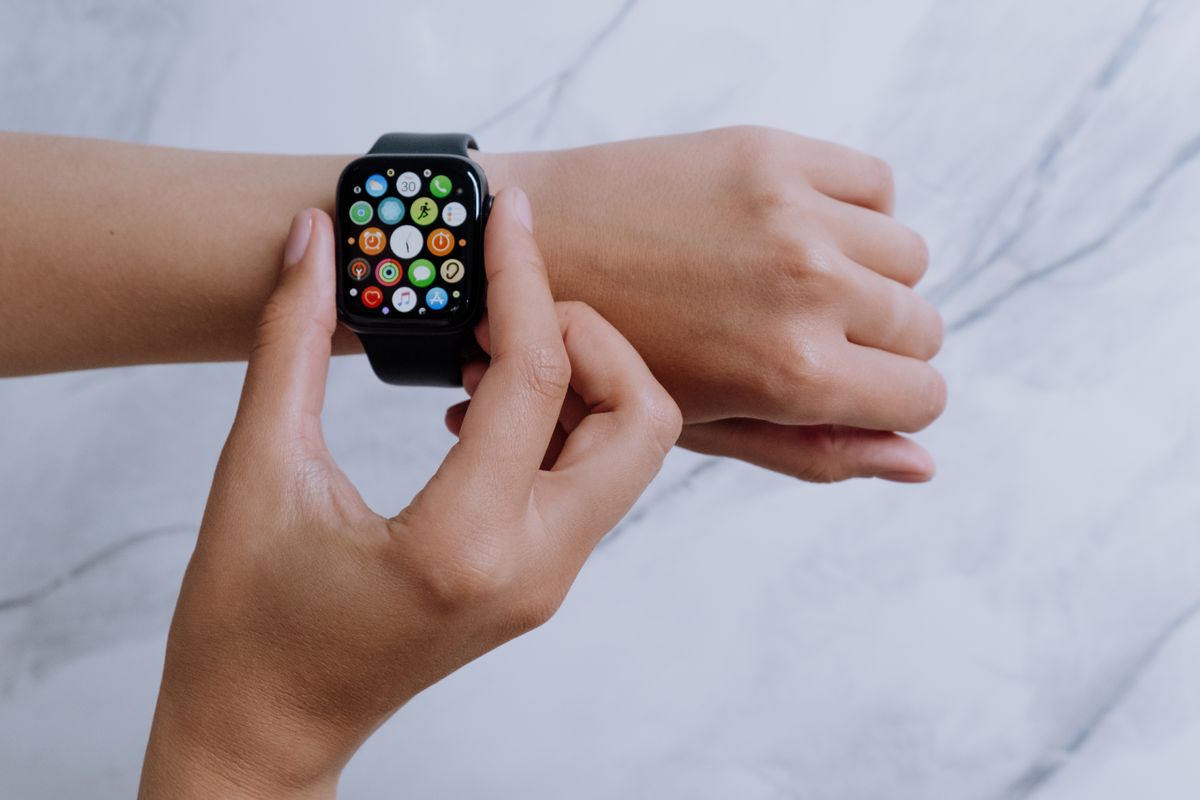
Apple $5.7 billion patent verdict: A seven-person federal jury in San Diego ordered Apple to pay Taction Technology $5,721,961,750 after finding Friday, September 25, that the Taptic Engine used in iPhones and Apple Watches infringed two Taction haptics patents. Reuters described the award as the largest patent-infringement verdict in U.S. history. Apple disputes both liability and damages and says it will appeal, so the verdict is not a final payment.
What the jury decided in the Apple Taptic Engine patent lawsuit
The verdict in the U.S. District Court for the Southern District of California found infringement of claims 17 and 19 of U.S. Patent No. 10,659,885 and claim 16 of U.S. Patent No. 10,820,117. Those patents concern vibration-based tactile-transducer technology—the physical feedback a user feels from a device. The jury rejected Apple's invalidity arguments on the claims presented at trial.
Crucially, jurors did not find willful infringement. That distinction means the court does not have the willfulness basis that can support enhanced damages of as much as three times an award. The $5.72 billion figure is still subject to post-trial motions and appellate review; non-willfulness prevents an automatic leap to a still larger number, not a guarantee that the existing award will stand unchanged.
Why this record verdict matters beyond Taction Technology vs Apple
The scale makes the case a test of how a small patent owner can enforce intellectual-property rights against one of the world's largest technology companies. For patent holders, the verdict shows that a narrow component inside mass-market products can produce enormous damages when a jury accepts both infringement and a sales-linked damages theory. For technology companies, it reinforces the risk that a feature embedded across several product generations can create exposure far beyond the component's physical size.
Reuters called it the largest patent verdict in U.S. history. That headline number is consequential, but it is not yet cash in Taction's account. Bloomberg Law reported that litigation funder Burford Capital backed the case; that financing shows how outside capital can let smaller patent owners sustain years of expensive litigation. It also means any eventual recovery would be shared under funding arrangements rather than flowing only to the operating company.
From a 2021 filing to a revived trial
Taction, a San Diego company whose technology is used in headphones and Kannon gaming headsets, sued Apple in 2021. A federal judge dismissed the case in 2023, but the U.S. Court of Appeals for the Federal Circuit revived it in 2025. Trial began September 14, 2026, and the seven jurors deliberated for parts of two days before returning their verdict on September 25.
That history matters because the same appellate court that revived the lawsuit is expected to hear Apple's merits appeal. Patent appeals commonly take two to three years, leaving time for post-trial motions, briefing and a possible remand. During that period, the headline award can be affirmed, reduced, vacated or sent back for more proceedings.
Apple appeal patent case: the company's response
Apple said it strongly disagreed with the verdict and damages. “Apple's Taptic Engine is fundamentally different from Taction's technology, which Taction's own testing of Apple's products confirmed during trial,” the company said in a statement reported by CNBC and MacRumors. “Apple does not use Taction's technology, and we will appeal.”
Taction's side characterized the result as validation after years of litigation. “We're happy the jury found for Taction and vindicated its patent rights,” lead counsel Lance Yang said. The competing statements frame the appellate fight: Taction will defend the jury's factual findings and damages case, while Apple will challenge the infringement analysis, the size of the award or both.
What the haptics patent infringement finding could change
There is no immediate evidence that Apple will remove or redesign the Taptic Engine. If the verdict survives, however, Apple could face pressure to negotiate a license, alter future haptics implementations or continue litigating over the products and time periods covered by the patents. Any design decision would depend on the scope of the asserted claims and the outcome of post-trial and appellate proceedings.
The case also intersects with Apple's wider hardware strategy. Signal Post News has separately examined the iPhone 18 Pro launch and its component changes, a reported screenless Apple fitness tracker, and TSMC's first Arizona test chips for Apple and other customers. Those reports involve different technologies, but together they show why component-level design and supply decisions can carry strategic consequences at Apple's scale.
What happens next at the Federal Circuit
Apple can first ask the trial judge to set aside or reduce the verdict, then take an appeal to the Federal Circuit. The appeals court could examine claim construction, infringement, patent validity and the damages methodology. Taction, meanwhile, must defend both the verdict and the legal foundation supporting the award.
Until those steps are complete, the most accurate description is a jury verdict—not a final, irreversible transfer of $5.7 billion. The record result strengthens Taction's position and sends a powerful signal to other patent owners, but Apple's appeal means the ultimate payout, any licensing arrangement and any effect on iPhone or Apple Watch design remain unresolved.
Sources: Reuters; MacRumors; Bloomberg Law; PYMNTS, citing Reuters. Verdict facts and quotations are attributed to court reporting and the parties; analysis of litigation, licensing and product implications is identified as analysis.