Anthropic Osaka data centre NTT Data: Japan's NTT Data Group is in the final stages of talks to build a data centre in Osaka for the US AI company Anthropic — a deal that is not yet signed, and that both companies declined to confirm when the reports landed.
A $6.3 Billion Bet on Osaka — if the Anthropic Deal Gets Signed
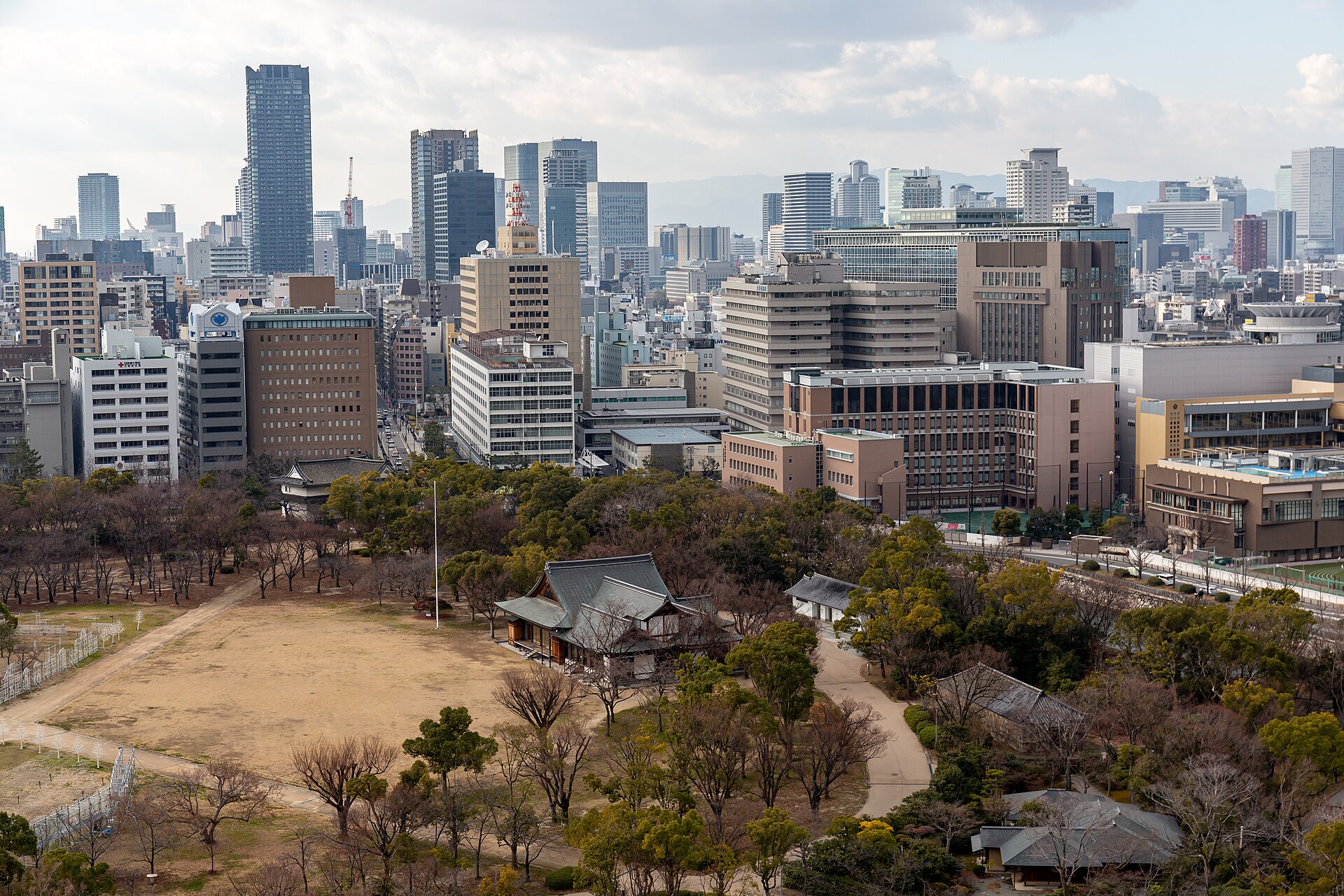
The next frontier of the AI building boom may be a construction site in Osaka. Japan's NTT Data Group, a unit of the telecommunications giant NTT, is in the final stages of talks to build a data centre in the western Japanese city for Anthropic, the US AI company, according to a Reuters report of October 13 based on the Nikkei business daily. The facility would be Anthropic's first dedicated data centre in Japan. It is, for now, a negotiation — advanced, detailed and expensive on paper, but a negotiation all the same.
What has been reported — and what has not been agreed
The reported terms are specific enough to take seriously and conditional enough to handle carefully. Construction costs could reach up to 1 trillion yen, about $6.3 billion. The facility would have a power-intake capacity of up to 500 megawatts. Partial operations could start as early as 2028. And the two companies aim to sign an agreement by the end of Japan's fiscal 2026 — March 31, 2027. Reporting on the talks adds one more layer: fitting the building out with large numbers of advanced AI servers and graphics processors could push the total investment to several trillion yen, well beyond the construction figure.
Every one of those numbers carries a qualifier in the original reporting — could, up to, as early as — and the qualifiers are part of the news. NTT Data declined to comment on the reports. Anthropic did not immediately comment. No site in Osaka has been publicly identified, no power contract has been announced, and no agreement exists until the signature the two sides are aiming for by next March. Readers should hold the story exactly where the reporting puts it: a very large deal in its final stages of negotiation, not a done deal.
Why Osaka, and why Japan
For an American AI lab, the logic of planting dedicated capacity in Japan is not hard to reconstruct. Japan is a close US ally with deep technical infrastructure, a sophisticated enterprise market, and a government that has spent years courting semiconductor and AI investment as a matter of industrial strategy. A dedicated facility in Japan would put Anthropic's computing capacity inside the country its Japanese enterprise customers operate in — relevant for clients with data-residency expectations, latency requirements and a preference for suppliers with a permanent local footprint rather than rented capacity in someone else's cloud region.
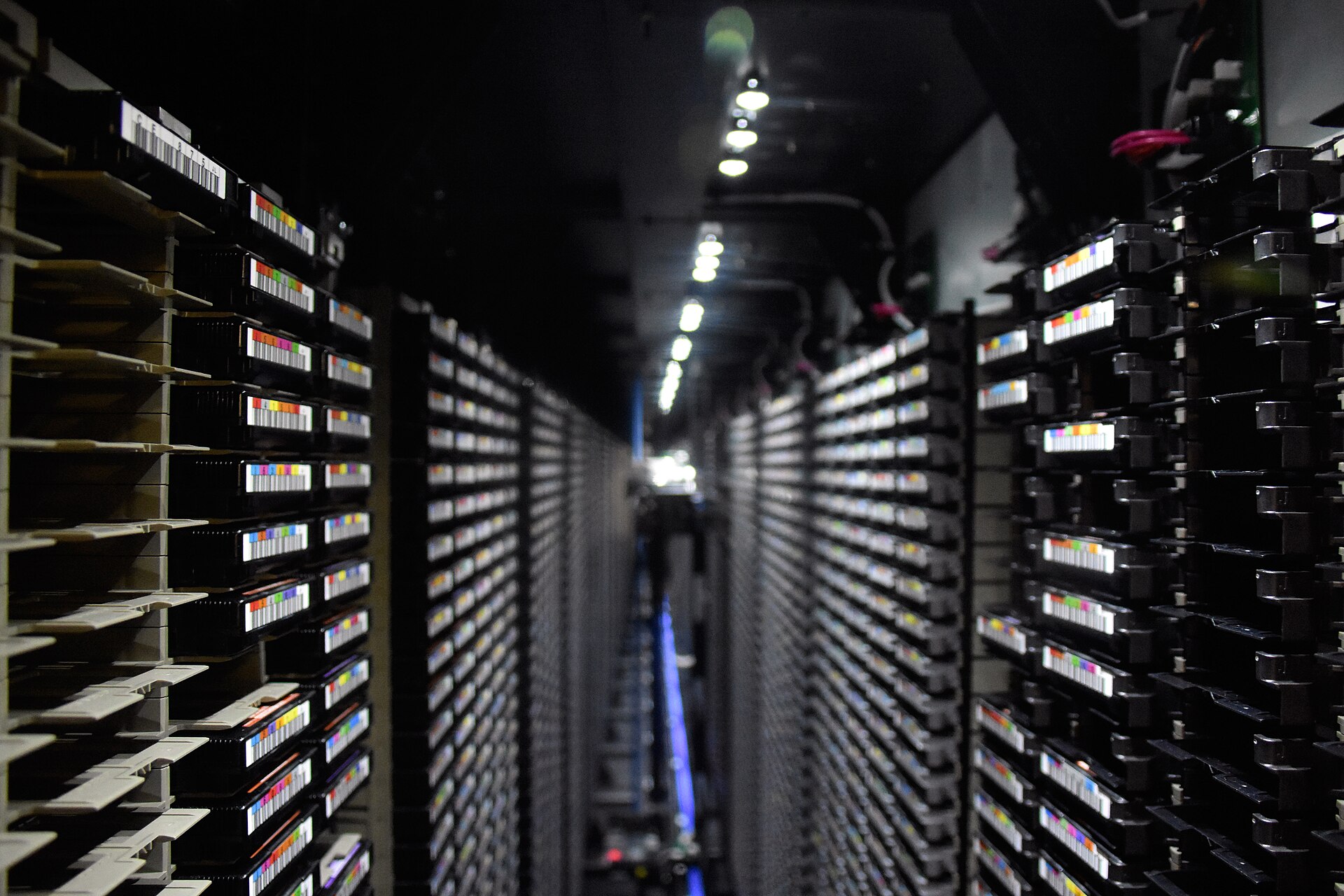
Osaka itself is a deliberate kind of choice. Western Japan's Kansai region offers a large metropolitan economy at some distance from Tokyo — a consideration that cuts two ways. Geographic separation from the capital region is a genuine resilience argument in a country where seismic risk is a standing design constraint for critical infrastructure: a facility in Osaka does not share all of Tokyo's risk profile, and operators of nationally important capacity routinely think in those terms. The trade-off is equally real. Any large Japanese site must be engineered for earthquakes from the first drawing, and a project of this scale will be judged — by regulators, neighbours and customers — on power sourcing and grid impact as much as on its server halls. None of that is settled in a negotiation; all of it is priced into one.
What 500 megawatts actually means
The figure that will travel furthest from this story is 500 megawatts, so it deserves precise handling. In the reporting, it is the facility's power-intake capacity — the ceiling on the electricity the site would be able to draw — stated as an upper bound, not a day-one consumption figure and not a commitment to run at that level. Data centres are built in phases, and a site designed for a ceiling that large is a site designed to grow for years: the partial operations envisaged from 2028 would be the first stage of a campus whose full build-out, if it ever comes, would rank it among the very large facilities of the AI era. The honest summary is that 500 MW describes ambition and headroom. How much of it Anthropic ultimately uses will depend on demand that neither company has published forecasts for.
The money tells a similar two-part story. The up-to-$6.3 billion figure is construction — land, buildings, power and cooling infrastructure. The several-trillion-yen total that reporting attaches to a fully fitted facility reflects where AI data centres actually spend their money: the accelerators inside them, refreshed on cycles measured in a few years rather than decades. A building is a one-time decision. The silicon inside it is a recurring one, and it is the recurring spend that ties a lab to a location for the long term.
The land grab this fits into
Step back, and the Osaka talks are one move in a global pattern that has defined the AI industry for two years: capacity is strategy. The leading labs have concluded that access to computing power — secured years ahead, in friendly jurisdictions, under their own control or a trusted partner's — is as decisive as the quality of their models. That conclusion has set off a worldwide scramble for power, land and construction partners, and it has pushed American labs to plant flags across allied Asia and Europe rather than concentrating every facility at home. A first dedicated facility in Japan, built with the data-centre arm of the country's largest telecoms group, fits that pattern exactly: local partner, local power, local presence, global network.
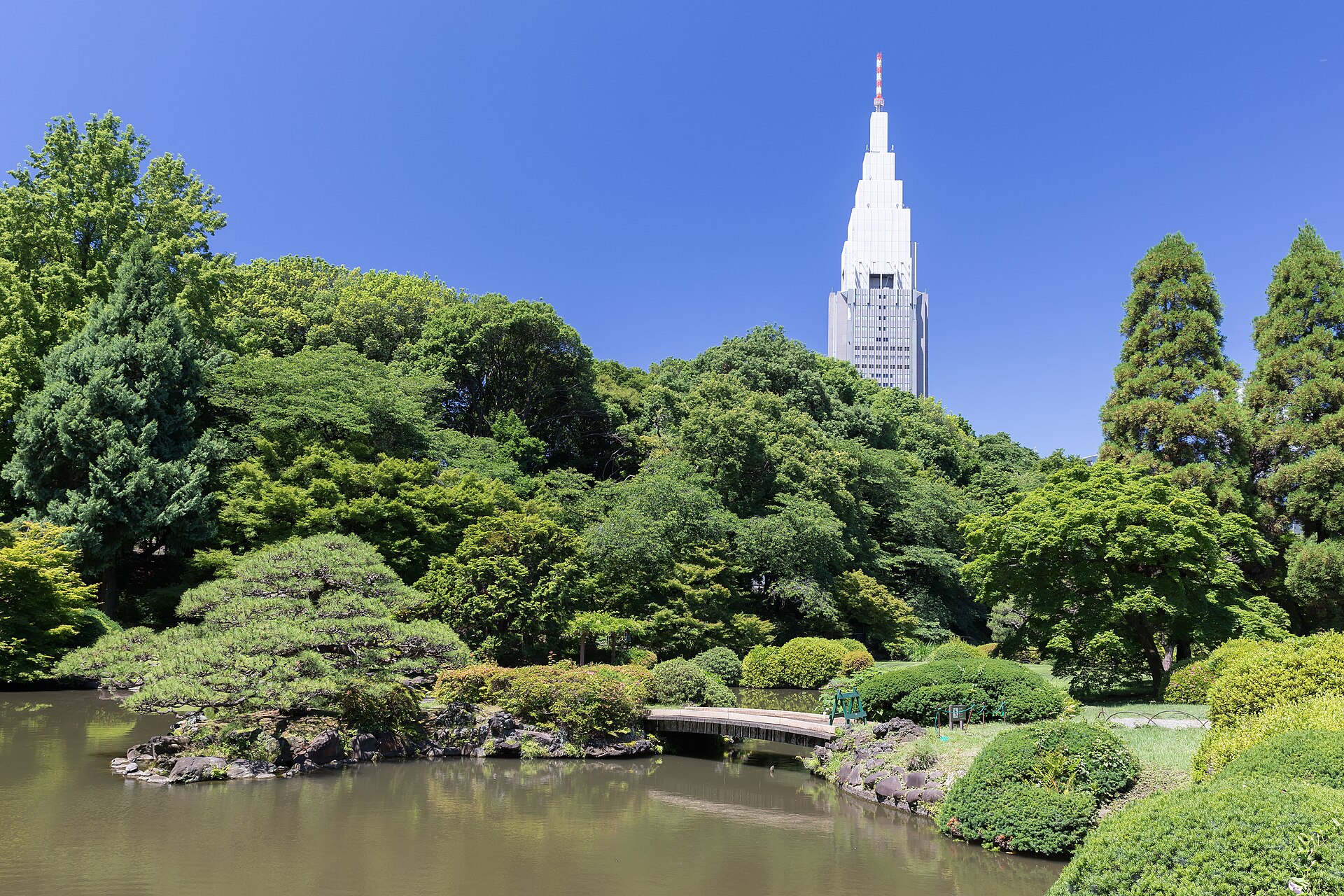
For NTT Data, the mirror-image logic applies. Building and operating AI infrastructure for the world's leading labs is precisely the business Japanese IT groups are competing to win, and an anchor tenant of Anthropic's profile would be a reference project of the first order — the kind that helps win the next five. For Japan, a project at this scale is the industrial strategy working as intended: foreign AI leaders committing capital, construction and long-term operations to Japanese soil, with the supply chains and skilled jobs that follow a facility of this size.
The other side: everything that can still move
Against all of that stands the simplest fact in the story: there is no signed agreement. Final-stage talks fail, shrink and slip. The reported ceiling figures — up to a trillion yen, up to 500 megawatts — are ceilings, negotiated in a period when AI infrastructure announcements have routinely been sized for effect. Power procurement in Japan for a draw of this scale is a project in itself. Construction timelines that reach to 2028 and beyond pass through election cycles, grid queues and the industry's own violent swings in demand expectations. And because neither company would confirm the talks on the record, every figure in this article rests on the Nikkei's sourcing as relayed by Reuters — good sourcing, and still sourcing about a negotiation, not a filing about a fact.
There is also a question the talks raise for Anthropic itself. Dedicated facilities are the opposite of the asset-light, cloud-rented model that let AI labs scale quickly. Committing to owned or long-leased capacity in multiple countries is a bet that enterprise demand for its models will keep growing at a pace that fills very large buildings — a bet every major lab is now making simultaneously, which is either a sign of shared conviction or the setup for a shared overcapacity problem later in the decade. The Osaka project's phased design, with partial operations first and a high ceiling above them, reads as an attempt to hold that bet in stages rather than all at once.
Who gains, who waits
If the agreement is signed, the earliest gains are the least glamorous and the most certain: construction work, grid work and years of operations employment in Osaka, and a flagship reference for NTT Data in the contest to build Asia's AI infrastructure. Anthropic's gain is positional. A dedicated Japanese facility strengthens its hand with the large Japanese enterprises and institutions that buy AI services on long contracts and care where the machines sit — and it does so in a market where its competitors are making parallel moves, so that absence would itself have been a statement. Japan's gain is the one its industrial policy has been buying across semiconductors and computing alike: another anchor of the AI supply chain located, staffed and powered at home.
The waiting list is longer. Osaka's grid planners would have to accommodate a customer whose ceiling draw rivals the largest industrial loads, in a region that already balances dense urban demand. Neighbouring communities would ask the questions every data-centre town now asks — about electricity prices, water, noise and what a windowless facility returns to its neighbourhood. And the rest of the industry would watch the phased schedule for the signal it sends about real enterprise demand in Asia: a project that fills its halls on time argues the boom is demand-led; a project that quietly slows argues the opposite. Those answers arrive, if they arrive, on the construction calendar — not in the announcement.
What happens next
The calendar in the reporting is unusually clear, and it gives this story a built-in test. If the talks hold, an agreement should exist by March 31, 2027 — the end of Japan's fiscal 2026 and the deadline the two sides are reported to be aiming at. A signing would convert this article's conditionals into facts: a confirmed site, contracted power, a construction schedule, and the first hard numbers on how much capacity Anthropic intends to run in Japan and when. Silence past that date, or a quiet statement that discussions have ended, would be an answer of the other kind.
Between now and then, watch for the secondary signatures of a real project: land and grid-connection reporting in Osaka, hiring and partnership announcements from NTT Data's data-centre business, and any change in how the two companies respond to questions — from declining to comment, to confirming that talks exist, to announcing them. Until one of those appears, the accurate headline remains the one on this article. Two large companies are in the final stages of talking about a $6.3 billion facility that would anchor Anthropic in Japan. Talking, at this scale and this stage, is news. It is not yet a building.
Related coverage: Anthropic's red team warns small AI models are learning to copy themselves
Sources: Reuters, LA Post, TechObserver.