Tenants are demanding $5 million a day when new AI capacity arrives late, even as a survey says most companies leave their existing GPUs idle half the time — a contradiction that defines the AI data centre late penalties $5 million story.
Track it live: Live market tracker — AI infrastructure, chips and credit
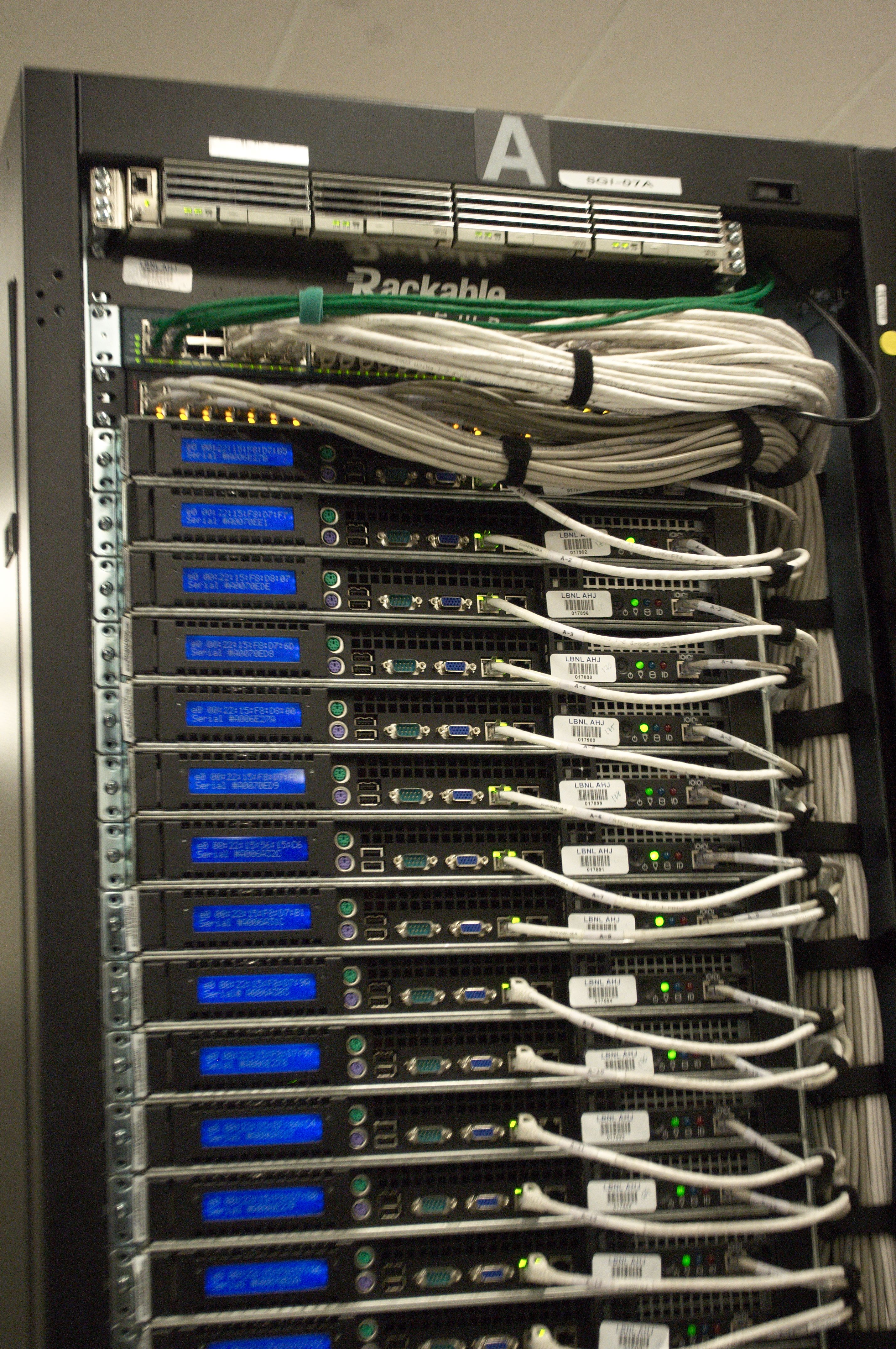
Two reported facts, published on the same morning, describe an industry pulling in opposite directions. The Information, via an AI News Today briefing on October 26, 2026, reported that data-centre tenants now demand late-delivery penalties of $5 million or more per day, up from about $1 million a day this spring — a fivefold jump in a matter of months. Separately, a Forward Future briefing on October 26 cited a survey of 218 companies running artificial intelligence in which 79 percent said they leave GPUs idle at least half the time, yet 70 percent still plan to build new AI platforms.
Read together, those numbers are the story. Finished AI capacity is so scarce, and so valuable on a deadline, that a day of delay can be priced at $5 million. At the same time, existing capacity is, by the survey's account, sitting unused for large parts of the day. The AI data centre late penalties $5 million figure is therefore not just a construction story. It is about scheduling, software and who pays when building outruns use.
A note on sourcing is essential. Both figures are reported figures from trade and briefing sources, not audited statements — The Information on penalties, Forward Future on the survey — and the critics' section below weighs the limits of single-source trade data. Their direction, however, matches incentives visible across the industry: power queues, chip allocations and launch commitments have made delivery dates worth insuring and penalising at extraordinary daily rates.
From $1 million to $5 million a day in one spring
The speed of the increase deserves emphasis. About $1 million a day this spring was already severe by ordinary commercial construction standards. At $5 million or more per day, a month of delay implies $150 million or more — enough to erase a developer's margin, strain construction lending, or trigger disputes over who caused the delay: builder, utility, chip supplier, or a tenant that changed a specification mid-build.
The Information's reporting, as summarised on October 26, added a second development: insurer and broker Marsh has begun offering “delay-in-delivery” coverage for developers. Insurance exists when a risk is frequent enough to price and severe enough to transfer. A market for delay coverage shows late delivery is no longer an embarrassing exception. It is being financialised — modelled, underwritten and sold as a product.
Why this matters
Why this matters is that penalties do not create a single additional GPU, megawatt or fibre connection. They reallocate the cost of scarcity. When a hyperscaler or a well-funded AI company signs a lease with $5 million-a-day penalties, it is buying certainty for a product launch, a training run or a customer contract. The developer accepting those terms is selling certainty — and betting its balance sheet that subcontractors, utilities and equipment suppliers will all perform on time. If any link fails, the penalty transfers wealth from the party least able to control the full chain to the party with the strongest negotiating position.
That transfer has second-order effects. Developers who accept punitive terms will price them into rents, demand larger deposits, favour tenants with the strongest credit, and avoid smaller AI customers altogether. Insurance premiums will be passed through in the same way. The result can be a two-tier market: a few giant tenants get guaranteed capacity at extraordinary prices, while everyone else queues — because the bottleneck is not only hardware. It is permission, power, integration and trust.
The idle-GPU paradox: 79 percent idle half the time
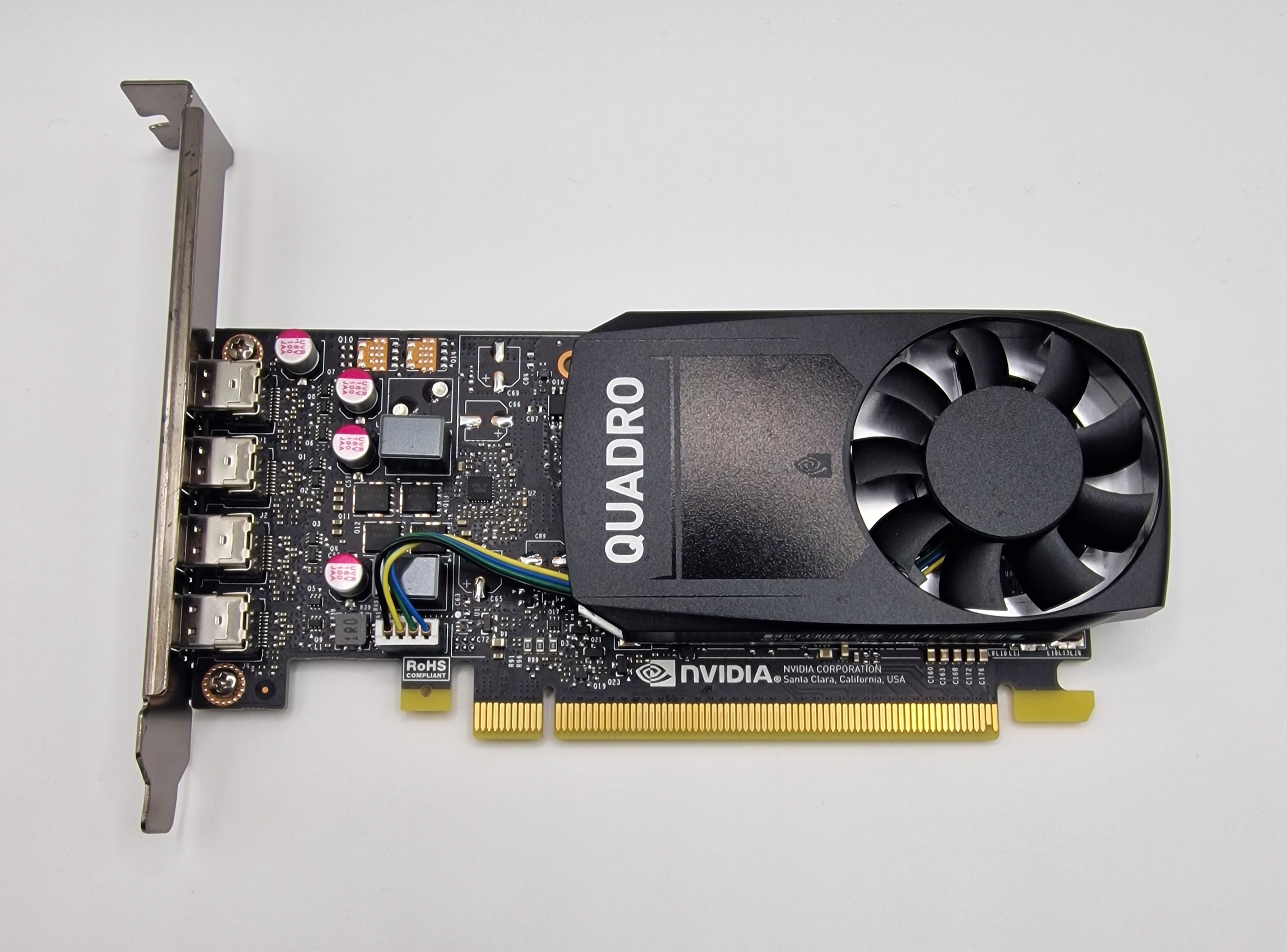
The Forward Future briefing's survey of 218 companies found 79 percent leave GPUs idle at least half the time. If that figure is broadly representative, the utilisation problem is enormous. Graphics processing units are the most expensive component in modern AI infrastructure, and they depreciate quickly as new generations arrive. A GPU idle half its life is, in effect, a GPU whose cost per useful computation has doubled. Yet the same survey found 70 percent of those companies still plan to build new AI platforms. Companies are not behaving irrationally within their own incentives: they may be buying for peak demand, for data-residency rules, for a product launch they cannot risk missing, or because using shared capacity raises security and compliance questions.
The deeper implication is that, for many firms, the binding constraint is software and scheduling rather than hardware. Workloads arrive in bursts. Training runs queue behind data preparation. Development environments hold reservations they do not use, and teams hoard allocations because sharing feels risky. Better orchestration — pooling accelerators, scheduling batch work into idle windows, measuring utilisation by team — could unlock capacity already paid for, at a fraction of the cost and carbon of a new building. The cheapest new data centre for many firms may be the one already humming, unevenly, down the hall.
Context and background: how deadlines became worth $5 million
Three years of AI competition compressed construction timelines that were already difficult. A modern AI data centre needs a grid connection that can take years, transformers with long lead times, backup generation, cooling, and accelerators whose supply is allocated. Tenants, meanwhile, announce launches and enterprise contracts on quarterly cycles. When a tenant has promised customers capacity on a fixed date, a late hall can mean breached contracts, refunds and a rival taking the account. That logic carried penalties from about $1 million a day this spring to $5 million or more now.
Insurance followed the same logic in earlier booms: delay-in-start-up coverage has long existed for power plants and factories. Marsh offering delay-in-delivery coverage for data-centre developers, as reported October 26, applies that familiar tool to a new asset class, at AI scale and speed.
Credit conditions form the backdrop. Tighter financing for speculative AI infrastructure — including the neocloud credit warning covered in a separate live article on this site — raises the cost of every delay. A developer paying interest while penalties accrue faces a double clock. That is precisely the risk insurers are now asked to absorb, for a premium.
Who benefits, who loses
Large tenants benefit most: penalty clauses give them leverage and a credible claim on a developer's attention when schedules slip. Insurers and brokers such as Marsh benefit from a new premium line. The most reliable builders — with secured power, proven supply chains and balance sheets to self-insure — can win business by accepting terms weaker rivals cannot.
Developers without those advantages lose bargaining power and may be forced either to accept existential penalty risk or to exit the AI segment. Smaller AI companies lose access, because developers prefer a tenant whose covenant justifies both the build and the insurance. Local communities can lose twice: when projects are rushed under penalty pressure, and if a stalled project leaves a half-finished site and an unmet power request blocking the grid queue.
What critics say about the numbers
Critics are right to press on the evidence. The penalty figure rests on a single trade-press report, summarised in a briefing, without named contracts published alongside it. “$5 million or more per day” may describe the top of a negotiating range for the largest hyperscale leases rather than a market median. The GPU survey, likewise, covers 218 companies, and readers have not been given its full methodology in the briefing — how “idle” was measured, over what period, and whether respondents were describing production clusters or development fleets.
Idle time can also be rational. Burst workloads need headroom; a hospital or bank cannot run critical inference at 100 percent utilisation without risking queues at peak. Development cycles are uneven by nature, and a GPU reserved for a nightly training run is not wasted because it rests at noon. The honest conclusion is narrower than the headline paradox: even allowing for rational headroom, 79 percent reporting idleness at least half the time points to real scheduling waste — but the recoverable capacity cannot be known from the survey alone.
What happens next
What happens next will be decided in contracts before it is decided in technology. Expect penalty clauses to be negotiated harder, capped more explicitly, and paired with delay insurance in leases signed through the winter. Expect developers to demand reciprocal protections: relief when utilities miss energisation dates, tenants change designs, or chip deliveries slip. Expect insurers, including Marsh, to demand schedule audits before writing coverage — which could quietly professionalise timelines across the industry.
On utilisation, expect chief financial officers to ask for dashboards before approving the next build — the survey says 70 percent still plan to build, so the question is whether those builds get smaller, later or better justified. Software that pools and schedules accelerators stands to gain most if that scrutiny spreads.
The AI data centre late penalties $5 million headline will have done its work if it forces a plainer question into every boardroom: are we short of computers, or short of the power, permissions and scheduling discipline to use the computers we already own? Until that is answered, the market will keep paying skyscraper prices for finished rooms — while expensive silicon sits dark, half the day, in rooms already built.
Related coverage: The $40 billion Nvidia chip financing behind the AI build-out and Apollo's warning that AI gains have bypassed most of the S&P 500.